A slow feeder bowl for pugs should slow eating without making a short snout struggle to reach the food. Look for a shallow design with broad, open channels and a stable base—not the deepest or most complicated maze. If the bowl makes your pug paw, cough, stop eating, or press its face into the ridges, it is the wrong fit.
For a pug that gulps meals, a timed slow-feed bowl can help make the meal last longer. Introduce it while you can watch your dog eat; the goal is a calmer pace, not a more frustrating meal.
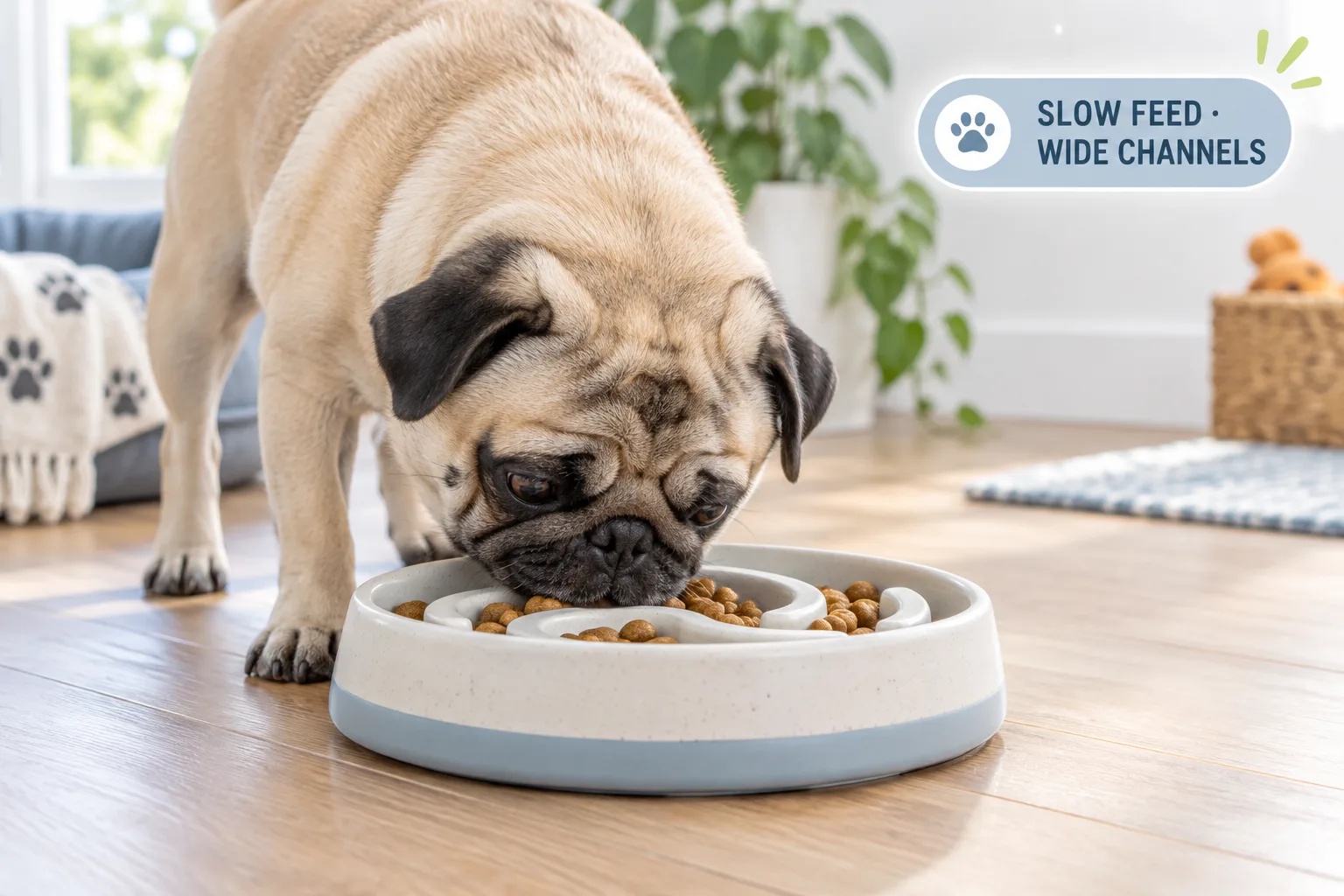
Direct Answer: Slow Feeder Bowl for Pugs
A slow feeder bowl for pugs works best when its grooves are shallow and wide enough for the dog to reach food comfortably. Deep, narrow mazes can be difficult for a flat-faced dog to navigate. Test the bowl with a normal meal, watch your pug’s breathing and body language, and switch to an easier surface if access looks uncomfortable.
Why This Happens
Pugs have shortened muzzles, so bowl shape can affect how easily they reach food. A design that slows a longer-snouted dog may force a pug to push its face between tall ridges or work at an awkward angle. Slowing a meal is useful only if the dog can still eat without unnecessary effort.
Fast eating can also have more than one cause. Competition with another pet, excitement around meals, or a habit of gulping can all contribute. A bowl changes the route to the food; it does not identify why the dog is eating quickly or treat an airway problem.
The Cornell overview of brachycephalic obstructive airway syndrome lists gagging when swallowing, labored breathing, and open-mouth breathing among signs that deserve attention. Do not assume a change in breathing during meals is simply a pug’s normal snorting.
What To Do
Choose open, shallow channels
Prefer broad spaces that let your pug reach food with its tongue without pushing its face hard against the bowl. Avoid tall dividers, narrow dead ends, and elaborate patterns that trap kibble where the dog cannot reach it comfortably.
Check the fit with your dog’s regular food
Put a normal measured meal in the bowl and observe from nearby without crowding your dog. Your pug should be able to reach the food, move around the channels, and finish without repeated frustration. If food stays trapped, the dog scrapes at the bowl, or the snout is pressed against the ridges, choose a simpler design.
The short-snouted breed slow-feeder guide offers a related comparison. French Bulldogs and pugs are not identical, so use the advice as a starting point and judge the bowl by your own dog’s fit.
Keep the bowl stable and easy to clean
A non-slip base helps stop the bowl from sliding while your pug eats. Choose a design you can clean thoroughly, including the bottoms of grooves where oil and crumbs collect. Wash and dry it according to the manufacturer’s instructions before refilling.
Make the change gradual
Start by placing part of the measured meal in the new bowl and the rest in the familiar dish. If your pug eats calmly, increase the amount in the slow feeder over the next meals. If the dog becomes distressed or avoids food, return to an easier setup rather than forcing the transition.
Use other pacing options when the bowl is a poor fit
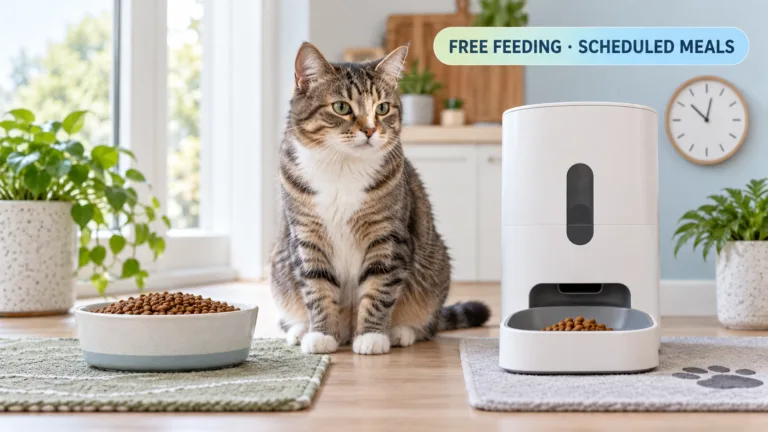
A shallow tray, a few small portions spread across a clean surface, or several measured mini-meals may work better than a maze. Keep the total daily ration the same. The guide to slowing a dog that inhales food covers alternatives to a complex bowl.
Micro Case: The Maze That Was Too Deep
A pug finished meals quickly, so the owner bought a deep maze bowl. The dog pushed its face into the ridges, pawed at the food, and left pieces behind. The bowl slowed eating, but only by making access difficult. Replacing it with a shallow, open pattern let the dog reach the full meal without the same struggle.
The Feeding Loop Behind This Problem
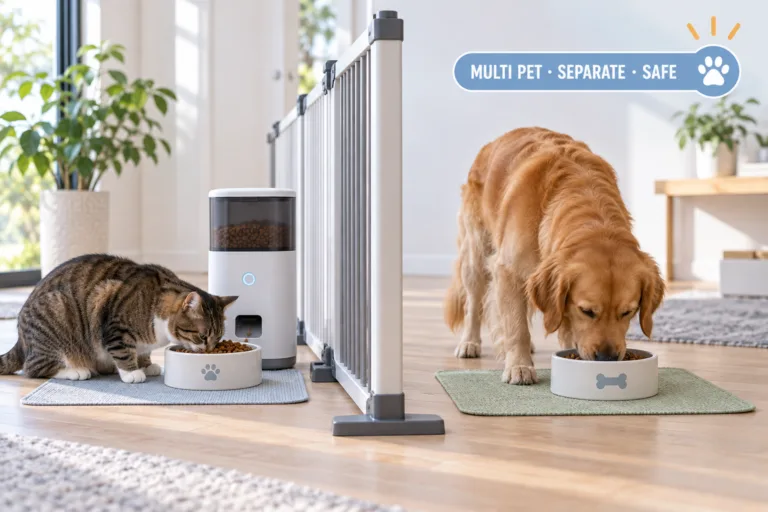
The pattern can begin when a pug rushes to finish before another pet approaches. The dog gulps, the bowl empties quickly, and the owner responds by buying a more challenging feeder. If that feeder is hard to use, the dog may paw, shove, or give up rather than eat at a comfortable pace.
A slow feeder bowl for pugs should interrupt rapid eating without adding a new barrier that creates frustration. Feed pets separately if competition is driving the behavior, and make sure the pug can reach every portion. A bowl is a tool for pacing, not a substitute for a calm feeding location.
The Emotional Trigger Owners Miss
It is easy to see a dog finish quickly and assume that a harder puzzle is the answer. Owners may also feel that switching to a simple plate means giving up on solving the problem. Neither assumption is useful. The right measure is whether the dog eats at a steadier pace while remaining comfortable.
Watch the dog rather than the product description. Repeated face rubbing, pawing, backing away, coughing, or abandoning food means the setup needs changing. A pug should not have to fight the bowl to finish a normal meal.
The Reinforcement Mechanism
Fast eating is not an addiction. It can become a repeated habit when meals are exciting, competitive, or delivered inconsistently. If a dog learns that gulping is the quickest way to secure food before another pet arrives, that pattern can persist.
Keep meals measured and predictable. Give each pet enough space, avoid crowding the pug while it eats, and reward calm behavior away from the bowl. Do not turn every meal into a harder puzzle; increase difficulty only when the dog can use the current design comfortably.
Real-World Impact
A poorly chosen bowl can make meals slower but less successful: food may remain trapped, the pug may eat less, or the dog may become more frustrated. A comfortable slow feeder can help pace some fast eaters, but it does not guarantee prevention of choking, aspiration, vomiting, or bloat.
Contact a veterinary professional if your pug regularly gags while swallowing, coughs during meals, has worsening noisy or labored breathing, or struggles to eat. Blue or pale gums, collapse, or obvious breathing distress require urgent care. The VCA guide to slowing fast eaters discusses slow bowls and other pacing options, but persistent symptoms need more than a bowl change.
For a broader feeding routine, use the smart guide to feeding your dog. Keep portions measured and account for treats so a slower meal does not accidentally become a larger daily ration.
Can This Be Fixed?
Yes, the feeding setup can often be improved by choosing an easier bowl, separating pets, and adjusting meal size and timing. A slow feeder bowl for pugs is a good trial when it slows the meal and the dog still reaches every piece comfortably.
If the pug cannot use a maze without pressing its face into the bowl or repeatedly stopping, switch to a shallow tray or divide the same daily food into smaller meals. If rapid eating comes with gagging, coughing, regurgitation, or breathing difficulty, stop treating the issue as a bowl-selection problem and seek professional assessment.
Who Should Walk Away and Who Should Use This
Skip deep, narrow maze bowls for a pug that cannot reach the food, becomes frustrated, or has breathing or swallowing symptoms during meals. Also avoid any design that slides, tips, traps food, or is difficult to clean.
A shallow slow feeder may suit a pug that gulps but can navigate broad channels comfortably. Owners should supervise the first meals, check that the dog finishes the measured portion, and replace the bowl if eating becomes harder rather than calmer.
Mini FAQ
Which slow feeder bowl for pugs should I choose?
Choose a shallow bowl with wide, open channels. A pug’s short muzzle may struggle with deep, narrow patterns. Test it with a normal meal and switch to a flatter surface if the dog cannot reach food comfortably.
Can a pug use a regular slow feeder bowl?
Some pugs can use a regular slow feeder if its ridges are low and widely spaced. Deep maze patterns may force the dog to push its face into the bowl. Supervise a test meal and judge the fit by access and comfort.
Will a slow feeder stop my pug from choking?
No bowl can guarantee that a dog will not choke or aspirate food. A slow feeder may change the pace of eating, but persistent coughing, gagging, or swallowing difficulty needs professional assessment. Stop using a design that interferes with comfortable eating.
Should I use a raised slow feeder for my pug?
Do not assume a raised bowl is better for every pug. Bowl height should match the dog’s comfort and any individual veterinary guidance. Start with a stable, accessible surface and observe posture, reach, and breathing while the dog eats.
What can I use if my pug cannot manage a maze bowl?
A shallow tray or several small portions can be easier than a maze. These options spread the food without forcing the snout between tall ridges. Keep the same measured daily ration and supervise the first attempts.
A slow feeder bowl for pugs should slow meals without making food harder to reach. Choose shallow, open channels, test the fit with a normal portion, and watch your dog’s breathing and behavior. If the bowl creates strain—or eating comes with gagging or breathing difficulty—change the setup and address the underlying problem rather than choosing a more complicated maze.