
Responsible pet ownership means protecting an animal’s health, safety, behavior, and quality of life every day—not only providing food when the bowl is empty. A responsible owner plans for routine care, unexpected expenses, housing changes, training, identification, exercise, enrichment, and the full lifespan of the animal. Affection matters, but affection without structure leaves important needs unmet.
When work schedules make manual feeding inconsistent, a smart feeder for regular pet feeding can protect measured portions and dependable meal times. It is a routine tool, not a replacement for fresh water, observation, exercise, cleaning, training, or direct care.
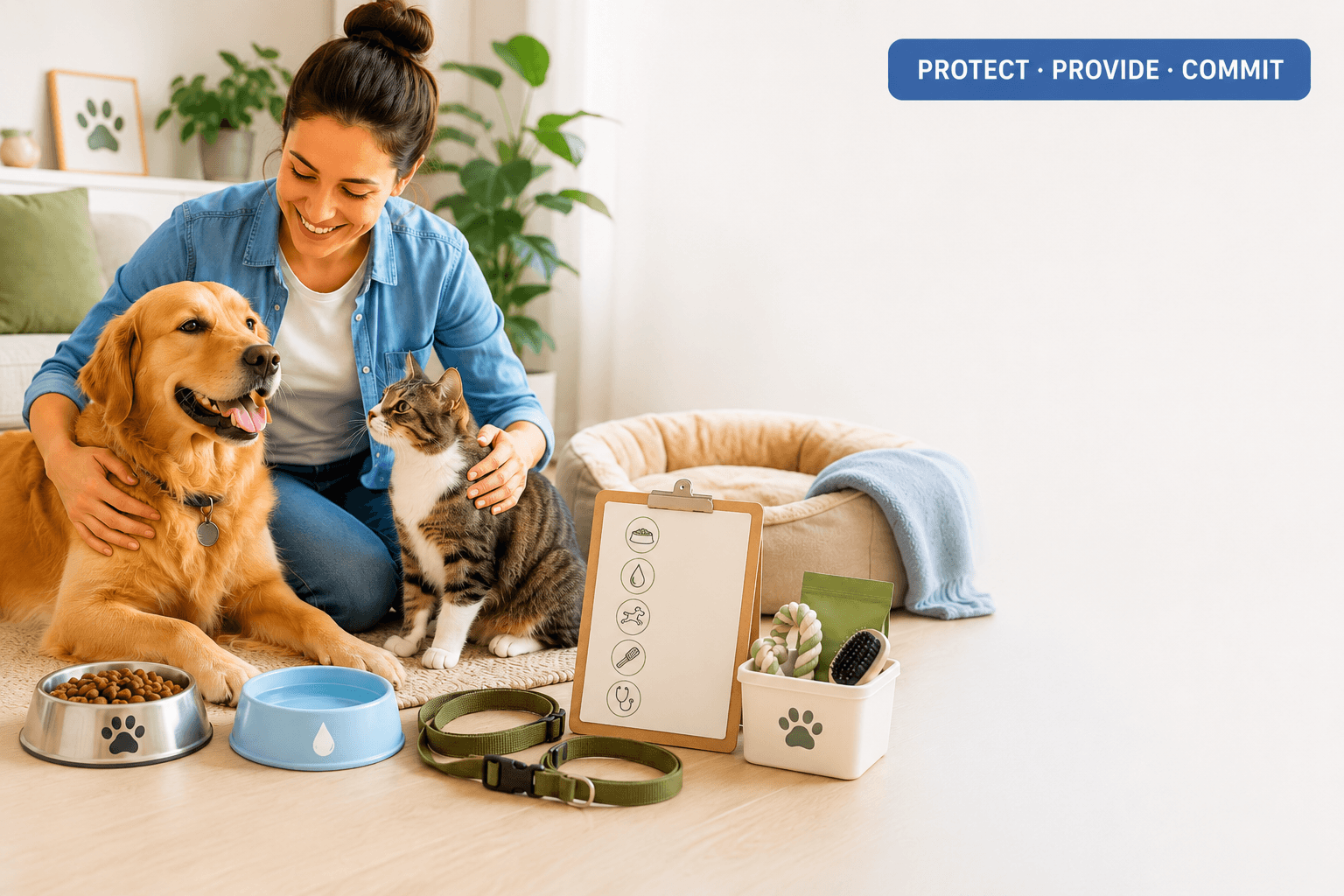
Direct Answer: Responsible Pet Ownership
Responsible pet ownership requires a lifelong system for nutrition, water, shelter, preventive health care, identification, exercise, humane behavior management, and emergency response. The standard is not whether an owner loves the pet. The standard is whether the animal’s physical and behavioral needs remain protected when the owner is busy, tired, traveling, moving, or facing an unexpected expense.
A pet depends on people for access to nearly every essential resource. The owner controls when food appears, whether water stays clean, whether doors remain secure, whether pain receives attention, and whether normal behavior has an acceptable outlet. That control creates an obligation to make care predictable rather than reactive.
Why Good Intentions Still Produce Poor Care
Many ownership failures begin with emotion instead of neglect. A person adopts because the animal is cute, lonely, frightened, or urgently needs a home. The decision feels compassionate, but the household has not examined time, cost, lease restrictions, travel, allergies, cleaning, training, or the animal’s expected lifespan.
Responsible pet ownership fails when the adoption moment receives more planning than the next ten years. A puppy becomes a large adult dog. A kitten needs litter care, scratching outlets, and health monitoring. A calm adult animal develops age-related needs. The work changes, but the responsibility does not disappear.
The ASPCA general pet care guidance emphasizes identification, preventive care, grooming, exercise, nutrition, and safe shelter. These are not optional upgrades. They are the basic systems that keep ordinary problems from becoming emergencies.
What To Do: Build Seven Non-Negotiable Standards
1. Provide Measured, Appropriate Nutrition
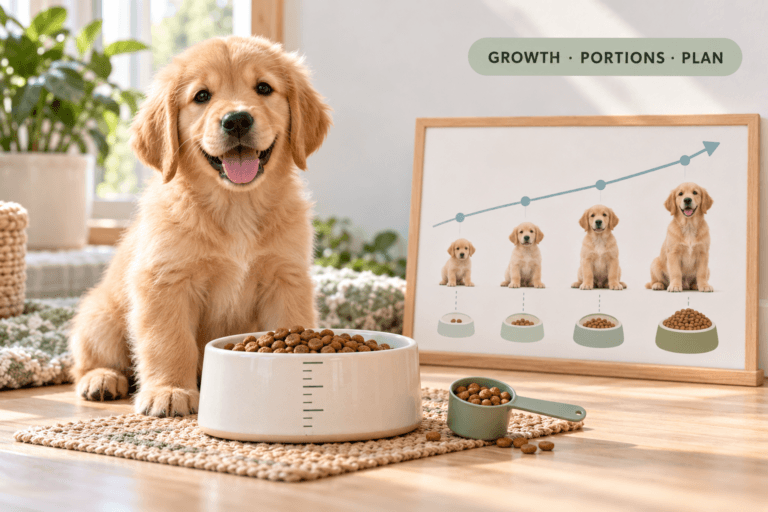
Choose food made for the animal’s species and life stage, measure portions, monitor body condition, and limit unplanned treats. A constantly full bowl is not proof of good care. It can hide overeating, reduce appetite monitoring, and make weight gain difficult to detect.
Use a clear pet nutrition routine rather than changing food every time a pet begs or refuses one meal. Review feeding directions as a starting point, then track weight, activity, stool quality, and appetite. The AAFCO consumer resources explain pet-food labels, nutritional adequacy statements, ingredients, and feeding directions.
2. Protect Water Access
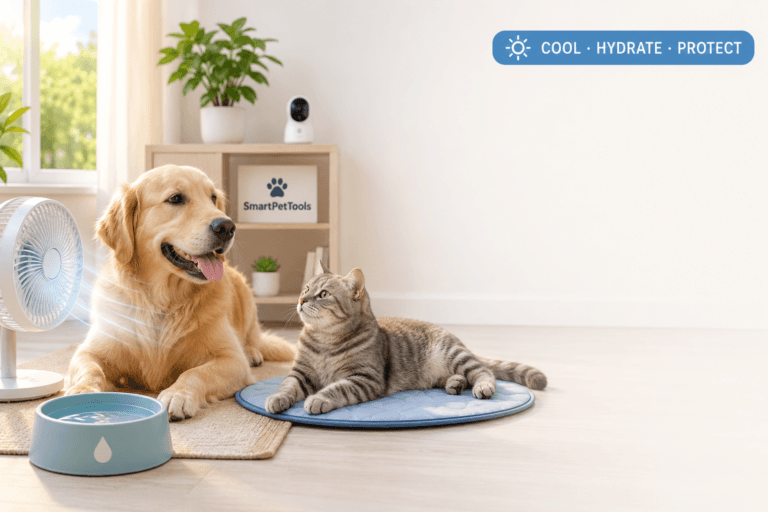
Fresh water must remain available, clean, and easy to reach. Wash bowls regularly, check them more than once each day, and add another water station when one tipped bowl would leave the pet without access. Multi-pet homes need enough locations to prevent one animal from controlling the resource.
Practical pet hydration habits are especially important during hot weather, illness, travel, and changes in food type. Water access should never depend on someone remembering after the pet begins showing thirst.
3. Maintain Preventive Health Care
Schedule routine examinations, vaccinations appropriate to the animal’s lifestyle, parasite control, dental assessment, and age-related screening. Record changes in appetite, weight, mobility, elimination, breathing, sleep, grooming, and social behavior. A sudden change is information, not stubbornness.
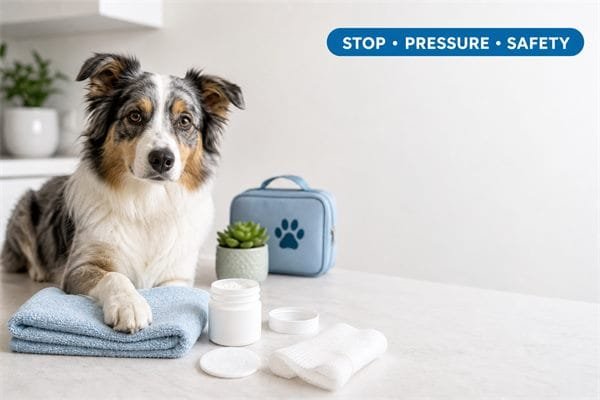
Emergency care also belongs in the plan. Save the nearest emergency animal hospital, keep a carrier or leash accessible, maintain transportation, and reserve money or insurance for unexpected treatment. Waiting until a crisis begins is not financial planning.
4. Create a Safe Environment
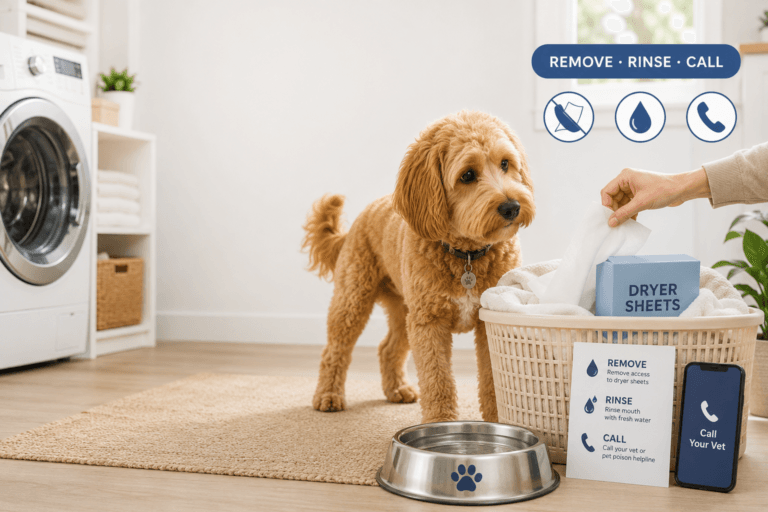
Secure doors, windows, gates, balconies, electrical cords, medications, chemicals, toxic plants, trash, small objects, and dangerous food. Use identification tags and keep microchip contact details current. Check the home from the pet’s height instead of assuming hazards are obvious from an adult human viewpoint.
Responsible pet ownership also means preparing for fire, extreme weather, evacuation, and temporary housing. Keep records, medication details, food, water, a recent photograph, and essential supplies together. The American Humane pet care checklist provides a useful framework for daily care and emergency readiness.
5. Provide Exercise and Enrichment
Food and shelter keep an animal alive; movement and enrichment help make life worth living. Dogs need suitable physical activity, sniffing, play, and social opportunities. Indoor cats need climbing, scratching, hiding, stalking, chasing, and predictable interactive play.
Use a realistic cat and dog exercise plan based on age, mobility, body condition, and environment. Exercise should not be used only to exhaust unwanted behavior. It should provide healthy outlets before boredom creates destructive alternatives.
6. Manage Behavior Without Fear
Teach the behavior you want, prevent rehearsal of dangerous behavior, and reward correct choices. Hitting, intimidation, forced restraint, and prolonged isolation damage trust without explaining the correct action. A pet cannot follow a rule that exists only after the owner becomes angry.
Set the environment first. Use gates, leashes, scratching posts, secure storage, litter boxes, chew items, and scheduled play. Then reinforce calm behavior, safe choices, and voluntary cooperation. Training works best when everyone in the household follows the same rules.
7. Commit for the Animal’s Full Lifespan
Plan for moves, job changes, children, relationships, vacations, aging, and changes in income. Pets cannot control whether a landlord allows them or whether a new schedule creates twelve-hour absences. Those risks belong in the ownership decision before adoption.
Responsible pet ownership is proven during inconvenient periods. The commitment matters most when care requires schedule changes, cleaning, training, medical spending, or housing decisions that do not benefit the owner immediately.
The Feeding Loop Behind Inconsistent Care
Feeding often reveals whether the household has a system. The pet vocalizes, follows someone into the kitchen, and receives food early. Another person assumes the pet has not eaten and serves a second portion. The pet learns that persistence produces food, while the household loses track of intake.
Responsible pet ownership replaces this loop with measured portions, named responsibilities, and fixed meal times. A scientific pet feeding schedule separates nutritional care from guilt, begging, and convenience. Record who fed the pet, how much was served, and whether the meal was eaten.
The result is not only better portion control. Stable feeding makes appetite changes visible. When a pet that normally finishes a measured meal suddenly refuses food, the owner receives a clear signal instead of wondering how much was eaten from a constantly full bowl.
The Emotional Trigger Owners Miss
Guilt is one of the strongest threats to consistent care. Owners feel guilty about working late, limiting treats, closing a door, ending play, or preventing unsafe freedom. They respond by overfeeding, abandoning boundaries, or allowing behavior that creates future risk.
Responsible pet ownership is not giving a pet everything it requests. It is giving the animal what protects health and security. A measured meal is more responsible than repeated snacks. A leash is more responsible than uncontrolled access near traffic. A closed room during repairs is more responsible than allowing the pet to “choose.”
Healthy boundaries do not weaken the bond. They make the environment understandable. The animal learns when meals occur, where elimination belongs, which objects are available, and how to receive attention without escalating behavior.
The Addiction Mechanism: The Reward-and-Relief Trap
This is not clinical addiction. It is a reinforcement loop built from immediate emotional relief. The pet barks, the owner gives food, and the barking stops briefly. The pet scratches furniture, the owner shouts, and the interaction provides attention. The pet pulls on the leash, reaches the desired smell, and learns that pulling works.
The owner is reinforced too. Giving the treat, opening the door, or ending the training session removes pressure in the moment. That relief makes the owner repeat the same response even though it strengthens the original problem.
Break the loop by deciding rules before conflict begins. Schedule food, prepare enrichment, block hazards, reward calm behavior, and stop allowing unwanted actions to produce the desired result. Consistency is not harshness. It is information the animal can understand.
Common Failure Pattern: Solving Problems Only After They Escalate
A dog gains weight, begins stealing food, and struggles during walks. The household responds by suddenly cutting meals, adding intense exercise, and changing food several times. The problem developed gradually, but the response becomes extreme because no one tracked portions, weight, or activity earlier.
The consequence is confusion without a stable correction. Responsible pet ownership prevents this pattern through regular observation and small adjustments. Measure meals, record weight trends, maintain suitable activity, and review body condition before a manageable change becomes a health crisis.
Real-World Impact of Weak Ownership Systems
Loose routines create predictable consequences: obesity, dehydration, preventable escape, destructive behavior, litter-box problems, resource conflict, untreated pain, missed medication, and delayed emergency response. These outcomes are often blamed on the pet even though the household controlled the conditions that produced them.
Body weight is one of the clearest examples. Extra calories accumulate slowly, so owners adapt to the pet’s changing shape and fail to notice the trend. The AVMA healthy pet weight guidance explains that excess weight is associated with health problems and reduced quality of life. A structured healthy pet weight plan combines measured food, appropriate activity, and routine monitoring.
Behavior problems have similar roots. A cat without scratching outlets damages furniture. A dog without controlled exercise invents its own activity. A pet with unrestricted access to trash repeatedly finds dangerous rewards. The solution is not stronger punishment. The solution is an environment in which safe behavior is easier to perform.
Can Irresponsible Pet-Care Habits Be Fixed?
Yes, when the owner accepts responsibility for the system instead of blaming the animal. Start with a written daily routine covering meals, water, medication, exercise, litter or bathroom breaks, cleaning, and observation. Assign each task to a person rather than assuming someone will notice.
Next, remove preventable hazards and create a monthly review. Check food supply, body weight, identification details, parasite protection, grooming needs, medication, emergency contacts, and upcoming appointments. Test automatic devices while someone is home and maintain a manual backup for power, network, or mechanical failure.
Responsible pet ownership improves through repeatable controls, not one dramatic weekend of correction. Small routines maintained for years protect an animal more effectively than intense attention followed by long periods of inconsistency.
Who Is Ready for a Pet and Who Should Walk Away?
A suitable owner can provide stable housing, daily time, cleaning, humane training, preventive care, emergency planning, and long-term financial support. The person does not need a perfect home or unlimited money, but the essential care plan must be realistic before adoption.
People seeking an impulse gift, temporary entertainment, a status symbol, or an animal that requires no daily work should walk away. The same applies when housing prohibits pets, essential expenses cannot be covered, or the household refuses normal behaviors such as shedding, scratching, vocalizing, elimination, and aging.
Responsible pet ownership begins with honest screening. Choosing not to adopt when the commitment cannot be met is more responsible than adopting first and surrendering the animal after predictable problems appear.
Mini FAQ
What are the basic duties of a responsible pet owner?
A responsible owner provides appropriate food, clean water, safe shelter, preventive health care, identification, exercise, enrichment, training, and emergency support. These needs require a daily routine and a long-term financial plan.
Does responsible pet ownership require an automatic feeder?
No. An automatic feeder is useful when it improves portion accuracy and schedule consistency. The owner must still check the device, monitor appetite, provide water, clean feeding parts, and maintain a backup plan.
Is love enough to make someone a responsible owner?
No. Love supports the bond, but it does not replace nutrition, medical care, training, cleaning, identification, or safe housing. Turn affection into scheduled actions that protect the animal every day.
How much time does a pet need each day?
Every pet needs direct daily care and observation. Feeding, water checks, cleaning, movement, enrichment, and social interaction cannot be postponed indefinitely. Choose a species, age, and activity level that fits the time actually available.
What should an owner do before adopting a pet?
Evaluate housing, schedule, cost, allergies, travel, existing animals, and the expected lifespan of the new pet. Prepare supplies, identify a veterinary provider, secure hazards, and agree on household responsibilities before the animal arrives.
How can owners prevent common behavior problems?
Prevent access to hazards, provide outlets for natural behavior, and reward the actions you want. Consistent environmental controls work better than waiting for unwanted behavior and reacting with punishment.
What is the clearest sign of responsible pet ownership?
The clearest sign is consistent care when ownership becomes inconvenient. Maintain health care, safe housing, measured feeding, exercise, and humane treatment through schedule changes, moves, illness, and aging.
Owners who need stronger meal consistency can first review how to use a smart pet feeder, then test a smart feeder for regular pet feeding under supervision. Responsible pet ownership is a lifelong promise expressed through ordinary daily actions. Protect health, control hazards, maintain routines, meet behavioral needs, and make decisions based on the animal’s welfare rather than the owner’s immediate convenience.