
The benefits of having a cat come from companionship, daily structure, quiet interaction, play, and the responsibility of caring for another living being. A well-matched cat can make a home feel less empty and create dependable moments of connection throughout the day. Those rewards are real, but they do not come from treating a cat as effortless décor. They come from meeting the cat’s needs consistently.
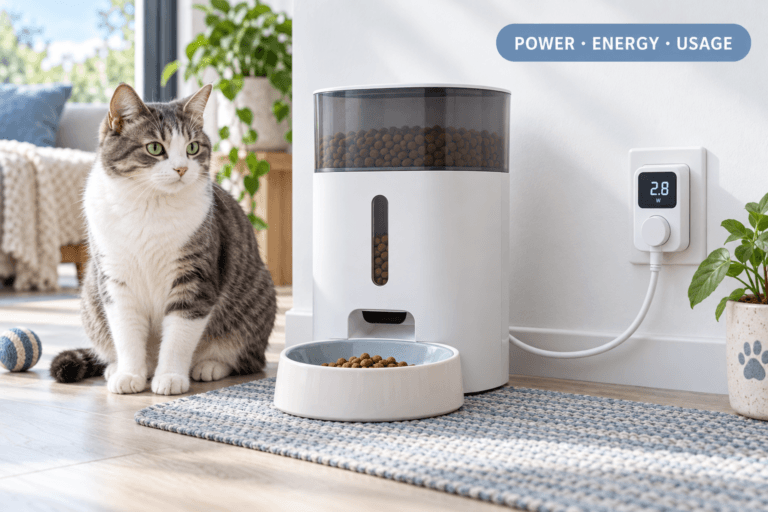
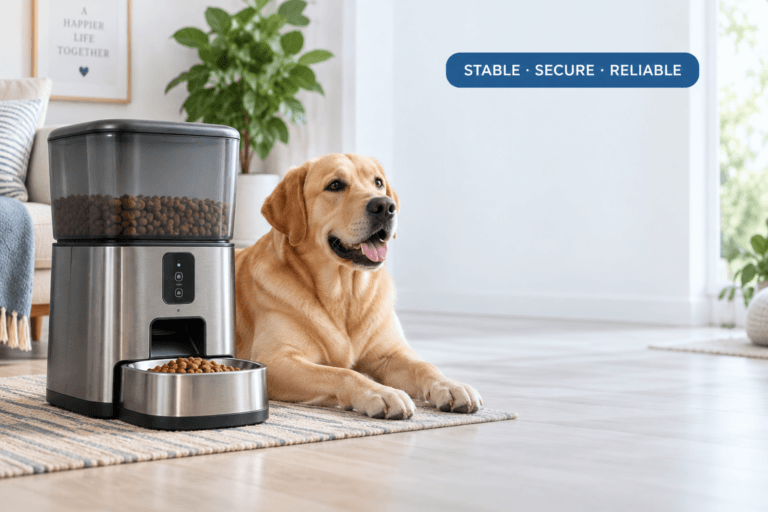
For households that need help keeping meals predictable, a smart feeder for regular cat feeding can support measured portions and stable meal times. It strengthens the routine, but it does not replace play, litter-box care, health checks, or direct human interaction.
Direct Answer: Benefits of Having a Cat
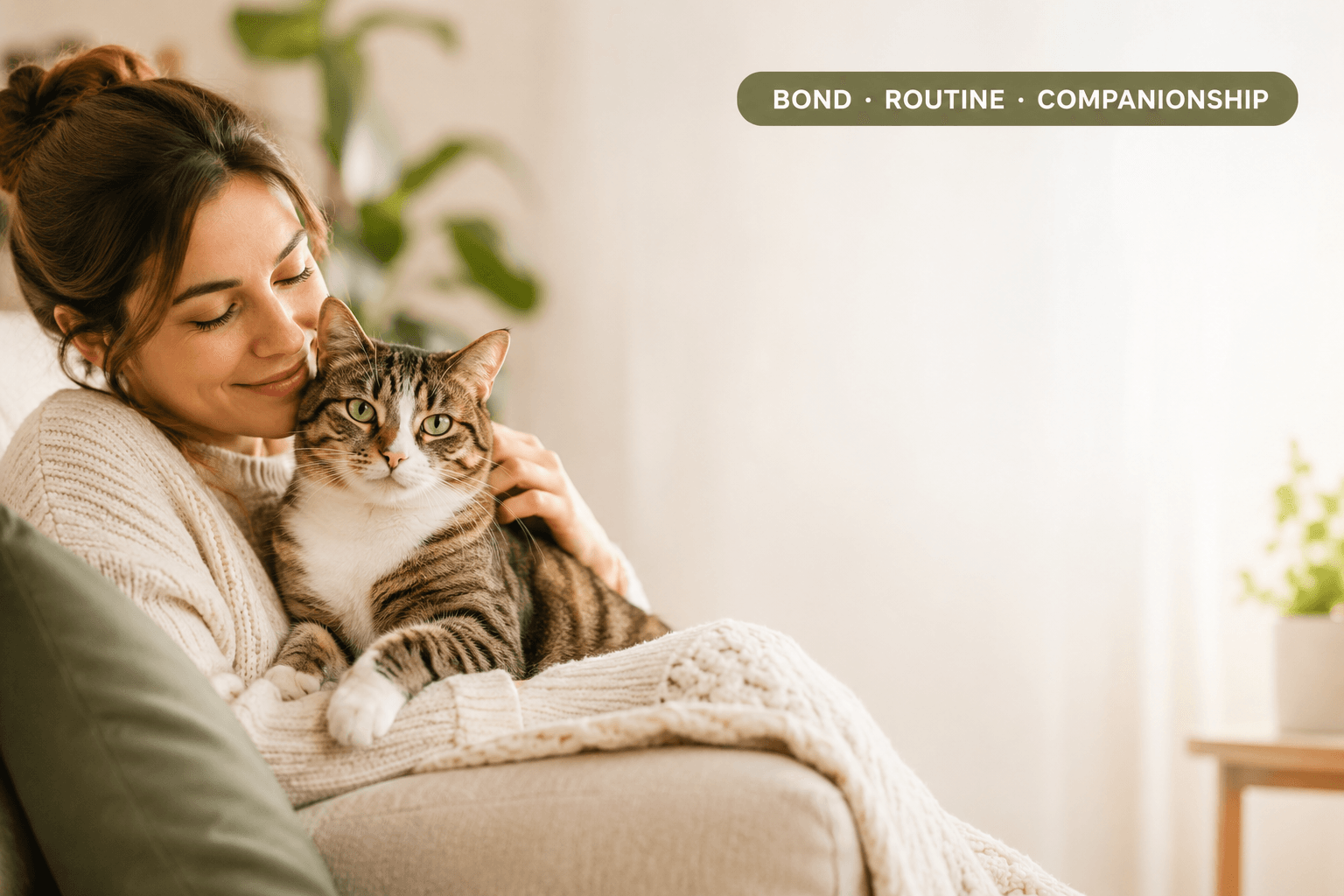
The main benefits of having a cat are companionship, emotional connection, a more structured home routine, opportunities for play, and the satisfaction of building trust with an animal. Cats can suit apartments, quieter households, remote workers, older adults, and people who prefer an indoor companion that does not require outdoor walks. The strongest benefits appear when the owner provides consistent food, clean water, litter care, scratching outlets, enrichment, and respectful contact.
Cats are not a guaranteed treatment for stress, depression, or loneliness. The bond supports well-being because it adds connection and meaningful routine, not because ownership removes every emotional or practical problem. The CDC guidance on cats and healthy households recognizes that cats can provide emotional support, improve mood, and contribute to owner morale while also requiring hygiene and disease-prevention practices.
Why the Human-Cat Bond Can Improve Daily Life
Cats create repeated low-pressure interactions. A cat waits near a desk, follows an owner between rooms, asks for play, sleeps nearby, or approaches for brief contact. These moments are small, but their repetition gives the household a dependable social rhythm. The owner is not required to plan a major activity to experience companionship.
The benefits of having a cat also come from observation. Owners learn the meaning of tail position, ear movement, body tension, vocal patterns, appetite changes, and preferred resting places. That attention shifts focus away from constant internal worry and toward a real relationship with visible needs and boundaries.
The NIH overview of human-animal interaction research explains that relationships with pets are linked with companionship, reduced feelings of loneliness, stress regulation, and social-emotional benefits. The important word is relationship. Simply placing a cat in the home does not create the result; daily care and compatible interaction create it.
What To Do to Turn Ownership Into a Healthy Bond
Build the relationship around predictability rather than constant access. Feed at stable times, clean the litter box daily, schedule interactive play, protect resting areas, and let the cat initiate some contact. Cats become easier to understand when the environment stops changing randomly.
Start with basic health management. Use a measured diet, monitor body condition, keep water accessible, and learn the changes that require attention. A clear cat nutrition routine protects the relationship from becoming centered on treats and begging. These pet hydration tips can also help owners create reliable water stations instead of assuming one neglected bowl is enough.
Provide daily play that resembles hunting: watch, stalk, chase, catch, and finish. Rotate toys instead of leaving every item on the floor permanently. Use climbing areas, window views, hiding spaces, and stable scratching surfaces. The goal is not to keep the cat busy every minute. The goal is to give natural behavior an acceptable outlet.
The Feeding Loop Behind a Strong Cat-Human Routine
Food is one of the fastest ways to create a daily relationship, but it can also create conflict. The cat vocalizes, the owner feeds early, and the cat learns that louder behavior changes the schedule. The owner enjoys the immediate quiet, so early feeding repeats. Soon, the relationship becomes a negotiation around food rather than a stable routine.
The benefits of having a cat become clearer when meals support trust without rewarding escalation. Measure portions, use fixed times, and avoid feeding every time the cat follows, stares, or vocalizes. Owners working irregular hours can follow a scientific pet feeding schedule to separate genuine nutritional needs from attention-seeking patterns.
A stable feeding loop looks different: the schedule predicts food, the cat stops relying on owner movement as the signal, and the owner gains more neutral time for play and affection. The feeder or clock controls the meal boundary. The human-cat bond no longer depends on repeatedly surrendering food.
The Emotional Trigger New Cat Owners Miss
Many owners expect instant gratitude after adoption. When the cat hides, avoids being held, scratches furniture, or refuses a new bed, the owner interprets distance as rejection. That emotional response leads to forced contact, constant checking, repeated room changes, or attempts to win affection with food.
Trust cannot be rushed. A newly adopted cat needs a secure base, predictable resources, and control over approach distance. Sit nearby without reaching, use play to create safe interaction, and reward voluntary contact. The benefits of having a cat grow as the owner learns to value consent and gradual progress instead of demanding immediate closeness.
This lesson is one of the less obvious rewards of cat ownership. Cats teach owners to notice subtle communication and accept boundaries. The result is a relationship built on observation rather than control.
The Addiction Mechanism: Why the Bond Feels So Rewarding
This is not clinical addiction. It is a reinforcement loop created by anticipation and response. The owner calls the cat, the cat approaches, contact occurs, and both repeat the interaction because it feels rewarding. The cat waits by the door, appears at a familiar time, or settles in a favorite place, and the owner starts anticipating that moment.
The loop becomes unhealthy when the owner needs constant reassurance or the cat receives food after every approach. It remains healthy when rewards include play, calm attention, grooming, observation, and shared rest rather than calories alone. The relationship should add stability without making either side unable to tolerate normal separation.
Micro Case: The Quiet Cat That Changed a Workday
A remote worker adopts an adult cat expecting constant lap time. The cat instead sleeps near the desk, requests play in the afternoon, and leaves after a few minutes of contact. At first, the owner sees this as a weak bond. After building fixed meal, play, and rest times, the pattern becomes valuable: the cat creates natural breaks without interrupting every task. The benefit was not unlimited affection; it was a calm daily rhythm that suited both cat and owner.
Real-World Benefits and Responsibilities
The practical benefits of having a cat include companionship without mandatory outdoor walks, suitability for many indoor homes, flexible styles of interaction, and visible routines that give the day structure. Cats can offer active play, quiet presence, affectionate contact, comic behavior, and a long-term relationship that develops gradually.
Ownership also adds work. Litter must be removed, surfaces cleaned, claws managed, furniture protected, food measured, and changes in appetite or behavior noticed. Learning why cats scratch and how to redirect it protects both the home and the relationship. Punishing normal scratching creates fear; providing stable posts and rewarding correct use creates a workable boundary.
Health management is another long-term responsibility. Owners should understand expected life stages, age-related changes, and preventive care. This guide to helping a cat live a longer, healthier life explains why nutrition, body weight, indoor safety, activity, and routine care matter across many years.
Can a Weak Cat-Owner Relationship Be Fixed?
Yes, when the problem is mismatched expectations, inconsistent routines, or an environment that blocks natural behavior. Start by stopping forced contact. Set meal times, add short interactive play sessions, create vertical territory, place scratching surfaces near existing scratch zones, and protect uninterrupted hiding places.
Track appetite, litter-box use, grooming, movement, and social behavior. A sudden change is not stubbornness. It is information. When an established cat stops eating, avoids the litter box, hides unusually, becomes aggressive, or changes activity sharply, arrange veterinary assessment rather than trying to repair the bond with treats.
The relationship cannot improve while basic needs remain unstable. Fix the environment first, then rebuild interaction through predictable, low-pressure contact.
Who Should Get a Cat and Who Should Walk Away?
The benefits of having a cat fit people who want an indoor companion and can commit to daily feeding, water, litter care, play, cleaning, health expenses, and long-term housing decisions. Cats can suit quieter homes, apartments with appropriate enrichment, and people who appreciate companionship that alternates between closeness and independence.
People seeking a pet with no daily work should walk away. So should households that cannot secure windows, provide litter-box space, tolerate scratching management, pay for veterinary care, or keep the animal through moves and lifestyle changes. A cat is lower-maintenance than some pets in specific routines, but a cat is never maintenance-free.
Match the individual animal to the home. A highly active kitten creates a different daily load from a settled adult cat. A shy cat needs a different introduction from a confident social cat. For first-time owners bringing home a young animal, a structured kitten litter-box routine prevents avoidable confusion from becoming a household conflict.
Mini FAQ
What are the biggest benefits of having a cat?
The biggest benefits are companionship, routine, emotional connection, play, and the satisfaction of earning trust. These rewards develop through consistent care. Build stable meals, daily play, clean resources, and respectful contact.
Are cats good pets for people who live alone?
Yes, cats can provide meaningful companionship in a one-person household. Their presence creates social interaction and daily responsibility without requiring another person to be present. Choose a cat whose activity and social style match the owner’s schedule.
Are cats truly low-maintenance pets?
Cats are not maintenance-free. They do not require routine outdoor walks, but they still need feeding, litter care, play, scratching outlets, cleaning, health monitoring, and long-term financial support. Judge suitability by the full routine, not one convenient feature.
Can having a cat reduce loneliness?
A strong relationship with a cat can reduce feelings of isolation by adding companionship and predictable interaction. The effect comes from the bond and daily engagement. Use play, calm contact, and caregiving as connection points rather than expecting the cat to solve every emotional need.
Is an adult cat better than a kitten for a first-time owner?
An adult cat is often easier for an owner who wants a more visible personality and a steadier routine. Kittens require more supervision, play, training, and home-proofing. Choose according to available time and energy rather than appearance alone.
Does a cat need daily play when it lives indoors?
Yes. Indoor life removes many natural opportunities to stalk, chase, climb, and explore. Provide short interactive sessions and environmental enrichment to protect body condition, confidence, and behavior.
A dependable meal routine can support the bond, especially in households with changing work hours. Explore cat feeders for controlled home routines or use a smart feeder for regular cat feeding when consistent portions are difficult to maintain manually. The benefits of having a cat are strongest when affection is backed by structure. Provide stable care, respect the cat’s boundaries, and treat the relationship as a long-term responsibility rather than an automatic reward.