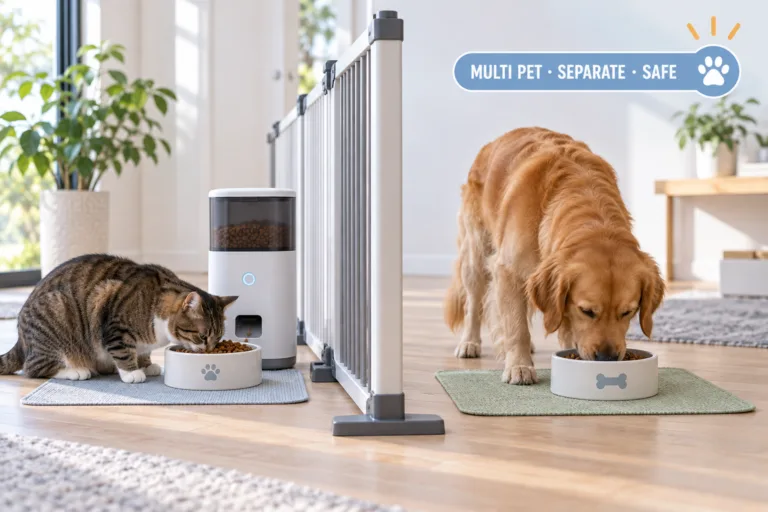
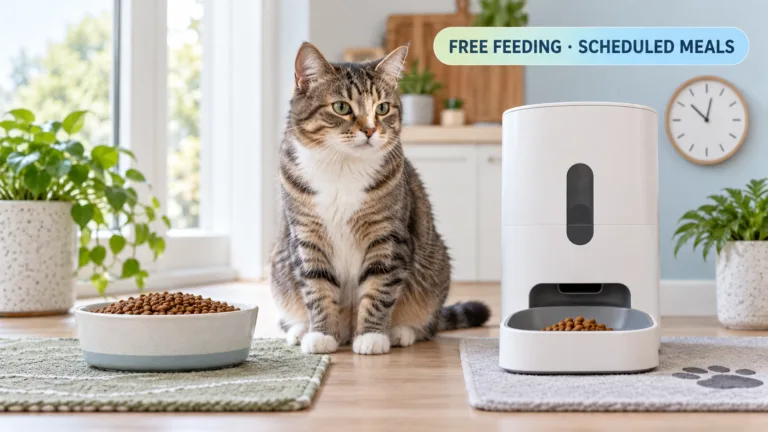
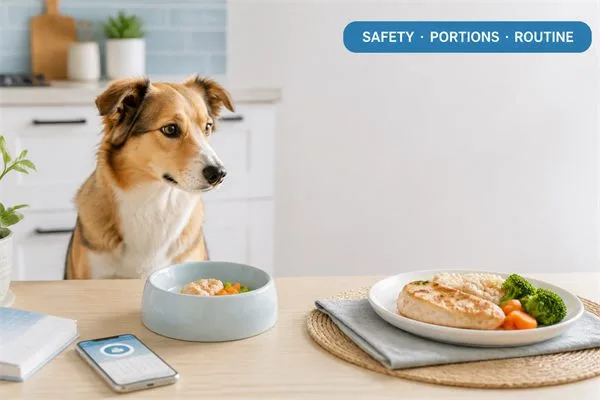
Megaesophagus dog feeding tips must start with one rule: gravity matters. Megaesophagus changes how food moves from the mouth toward the stomach. A normal bowl on the floor can leave food sitting in the esophagus, which raises the risk of regurgitation, poor nutrition, weight loss, and aspiration. The feeding plan has to be built around upright posture, controlled texture, smaller meals, careful water strategy, and strict observation.
For most dogs with megaesophagus, a normal automatic feeding routine is not enough because the dog often needs supervised upright feeding. Products such as a timed slow feed automatic feeder can help normal fast eaters, but megaesophagus cases need a veterinarian-directed posture and texture plan first. The best megaesophagus dog feeding tips protect the dog before they add convenience.
Direct Answer: Megaesophagus Dog Feeding Tips
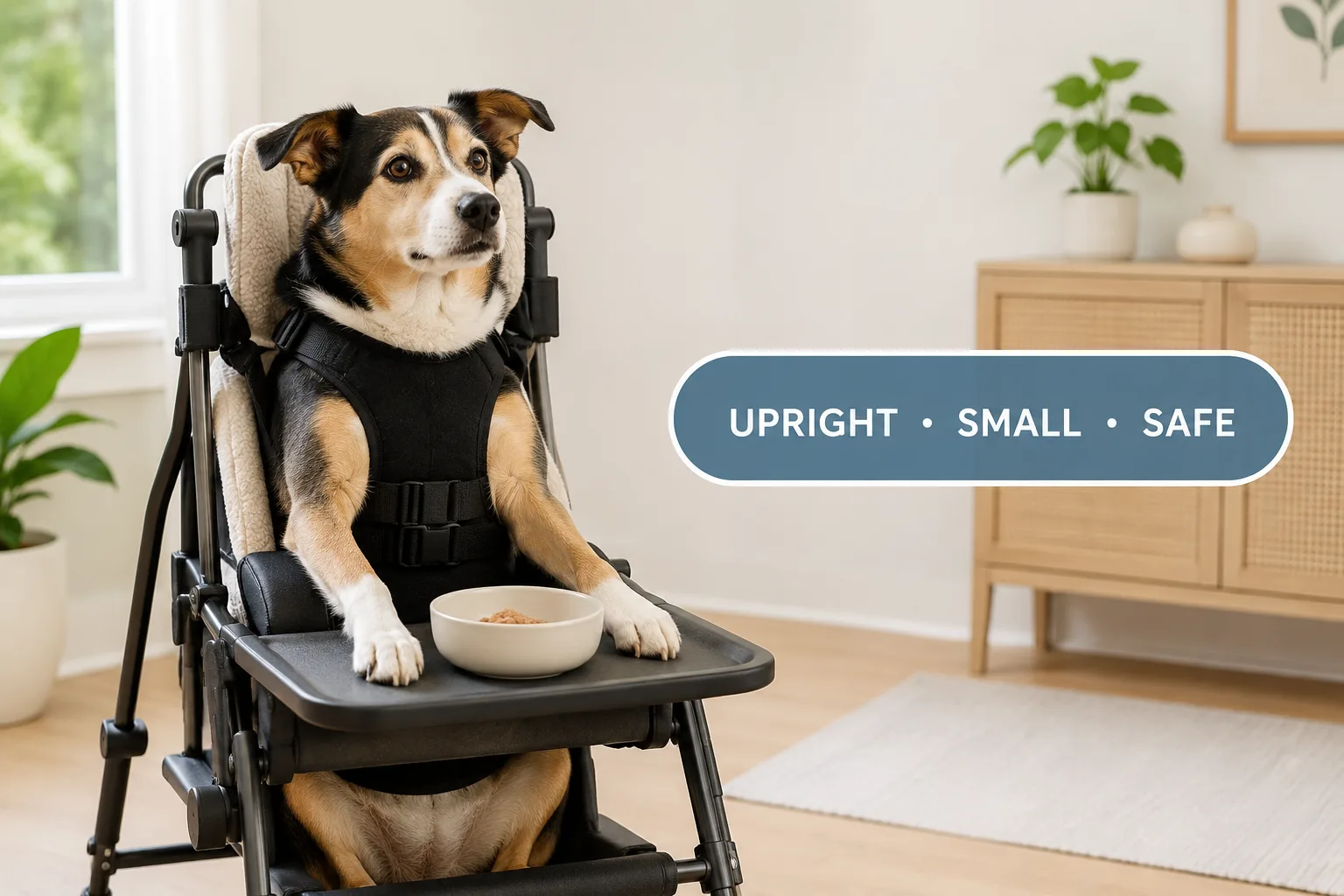
The most important megaesophagus dog feeding tips are to feed the dog upright, keep the dog upright after meals, offer smaller frequent meals, test food textures carefully, monitor water intake, watch for regurgitation, keep feeding records, and treat coughing, breathing difficulty, fever, lethargy, or repeated regurgitation as urgent warning signs. Many dogs need a Bailey chair or another safe vertical feeding setup so gravity can help food move toward the stomach.
This is not a normal picky-eating problem. A dog with megaesophagus may want to eat but still fail to move food safely. The owner’s job is to control the mechanics of feeding: position, meal size, texture, timing, water, and post-meal upright time.
Why This Happens
Megaesophagus means the esophagus is enlarged and does not move food normally. Instead of pushing food efficiently into the stomach, the esophagus can hold food or liquid. That material can come back up as regurgitation, which is different from vomiting. Regurgitation is often passive and may happen without the abdominal effort owners expect from vomiting.
VCA Hospitals’ megaesophagus overview describes upright feeding and post-meal upright holding as core management steps. Cornell’s canine health information also notes that dogs with megaesophagus often need adjusted feeding to reduce aspiration pneumonia risk, including elevated or Bailey chair feeding in many cases.
The practical result is direct: megaesophagus dog feeding tips must make food travel downward with help from gravity. Bowl height alone may not be enough for many dogs. Some dogs need true vertical positioning.
What To Do First
First, confirm the diagnosis and the suspected cause with a veterinarian. Megaesophagus can be congenital or acquired, and acquired cases may be linked with conditions such as myasthenia gravis, endocrine disease, toxin exposure, obstruction, or other medical problems. Feeding management matters, but the underlying cause also matters.
Second, stop treating the dog like a normal floor-fed dog. Build a feeding station that keeps the dog’s esophagus as vertical as possible. For many dogs, that means a Bailey chair, custom upright support, or another stable vertical feeding method that the dog can tolerate safely.
Third, record every meal. Write down food texture, amount, time, upright duration, regurgitation events, coughing, water intake, stool quality, and weight. These notes help the veterinarian adjust the plan from evidence instead of guesswork.
The Feeding Loop Behind Megaesophagus Trouble
The failure loop starts when the dog regurgitates after eating. The owner worries the dog did not keep enough food down and offers another meal. The dog regurgitates again. The owner changes food randomly, raises the bowl slightly, or adds water without knowing whether that texture is safer for that dog.
Then the dog loses weight or develops respiratory signs. The owner thinks the dog is “not digesting food,” but the bigger issue may be that food is not reaching the stomach reliably or is being aspirated.
A better megaesophagus dog feeding tips routine breaks the loop with controlled trials. Change one variable at a time: posture, texture, meal size, or upright duration. Do not change all of them in the same week unless the veterinarian instructs it because the owner will not know what helped.
The Emotional Trigger Owners Miss
The emotional trigger is fear. Watching a dog regurgitate can make owners feel they must feed more immediately. That reaction can overload the esophagus and make the next regurgitation more likely.
The safer response is structured. Pause. Clean the area. Check the dog’s breathing and energy. Record the event. Do not refeed immediately unless the veterinary plan says exactly how to handle it. Repeated regurgitation, coughing, labored breathing, fever, blue or pale gums, weakness, or sudden lethargy should be treated as urgent because aspiration pneumonia can become serious quickly.
A good feeding plan reduces emotional feeding decisions. The owner knows when meals happen, how much food is offered, how the dog is positioned, and what signs require action.
The Addiction Mechanism
The addiction mechanism is comfort feeding. A dog regurgitates, looks hungry, and receives more food. The owner feels better because food was offered. The dog may learn that distress around meals produces more attempts, more attention, or higher-value food.
That pattern does not solve megaesophagus. It can create chaotic feeding. The dog needs safe intake, not repeated unplanned feeding attempts. For some dogs, the safer plan is fewer variables, smaller meals, and stricter posture control.
The strongest megaesophagus dog feeding tips make feeding boring and repeatable. Same chair. Same posture. Same measured meal. Same post-meal hold. Same record. Adjustments should be deliberate, not emotional.
Upright Feeding: The Core Rule
Upright feeding is the center of most megaesophagus management. The dog should eat with the body positioned so food can move downward. Many dogs benefit from a Bailey chair because it helps hold the dog in a vertical position during and after meals.
Raised bowls are not the same as vertical feeding. A raised bowl may help a mild case under veterinary direction, but many dogs need a more upright posture than a raised bowl can provide. The exact angle and setup should match the dog’s size, tolerance, and disease severity.
After eating, the dog often needs to remain upright for a set period. VCA notes that upright positioning may need to continue after meals, and other veterinary resources commonly describe post-meal upright holding as part of daily management. The owner should follow the veterinarian’s specific time target for that dog.
Food Texture: Slurry, Meatballs, or Kibble?
No single food texture works for every dog with megaesophagus. Some dogs do better with liquid slurry. Some do better with soft meatballs. Some tolerate canned food shaped into small boluses. Some dogs do poorly with water-thin liquids. Texture must be tested carefully.
Veterinary Partner’s megaesophagus guidance notes that some animals do better with solid foods while others do better with liquefied diets. That is why random online texture advice can be dangerous. The correct texture is the one that reduces regurgitation and maintains nutrition for the individual dog.
Practical texture testing should be slow. Use measured portions. Keep posture consistent. Record the result. Do not test dry kibble, soaked kibble, slurry, and meatballs all in the same day unless the veterinary team is directing the trial.
Meal Size and Frequency
Large meals can overload the esophagus. Many dogs with megaesophagus do better with smaller, more frequent meals. This reduces the amount of food sitting in the esophagus at one time and can help maintain calorie intake when single large meals are not tolerated.
The meal plan should account for total daily calories. More feeding events should not mean uncontrolled food. Each meal should have a measured amount, and the day’s total should match the veterinary nutrition plan.
For normal dogs, scientific pet feeding schedule helps structure daily meals. For megaesophagus dogs, scheduling matters even more because timing must include setup, feeding, post-meal upright time, and cleanup.
Water Strategy Matters
Water can be difficult for some dogs with megaesophagus. Plain water may regurgitate in certain cases, while other dogs tolerate it better in specific positions or forms. Some dogs need water mixed with food, offered as gelatin cubes, thickened under veterinary direction, or managed through another plan.
Do not remove water casually. Hydration is still essential. The problem is delivery method, not whether the dog needs water. If the dog regurgitates water, the veterinarian should help design a safer hydration plan.
Use pet hydration tips for general hydration principles, but megaesophagus hydration must be individualized. Standard free-access water may not be safe or effective for every dog with this condition.
Automatic Feeders: Useful or Risky?
For megaesophagus, unattended automatic feeding can be risky. The dog often needs posture support before, during, and after meals. A machine that drops food into a bowl cannot confirm vertical position, swallowing quality, regurgitation, or breathing signs.
This does not mean feeder technology has no place in the home. Smart reminders, meal logs, portion scales, and feeding schedules can support the caregiver. But the core act of feeding a megaesophagus dog usually needs human supervision unless the veterinary plan clearly says otherwise.
For healthy dogs or non-megaesophagus pets in the same household, dog feeders can help normal scheduled meals. For a dog with megaesophagus, the owner should treat automated dispensing as secondary to upright, supervised feeding.
Slow Feeding vs Safe Feeding
Slow feeding is not the same as megaesophagus-safe feeding. A slow feeder bowl can reduce gulping in normal dogs, but it does not solve esophageal motility. In some megaesophagus cases, making the dog work around a maze bowl can increase time, effort, air swallowing, frustration, or poor posture.
If the dog eats too quickly in an upright chair, the solution should be designed within that upright setup. Smaller boluses, hand feeding, adjusted texture, or meal division may be safer than a standard floor-based slow feeder.
Use how to stop my dog from inhaling his food for general fast-eating behavior. For megaesophagus, the dog’s medical feeding plan overrides normal slow-feeder advice.
Aspiration Pneumonia Warning Signs
Aspiration pneumonia is one of the major risks in dogs with megaesophagus. It can happen when food, liquid, or regurgitated material enters the airway. Owners should not wait and watch if serious respiratory signs appear.
Warning signs include coughing, gagging, breathing difficulty, fast breathing, fever, nasal discharge, lethargy, weakness, blue or pale gums, refusal to eat, or sudden worsening after regurgitation. These signs require prompt veterinary care.
The goal of megaesophagus dog feeding tips is not only to get calories in. It is to reduce regurgitation and protect the airway while keeping the dog nourished.
Cleaning the Feeding Station
Megaesophagus feeding can be messy. Slurries, softened food, meatballs, saliva, regurgitated material, towels, chair padding, and bowls all need cleaning. Hygiene matters because repeated food residue can create odor, bacteria, insects, and refusal behavior.
The FDA’s tips for safe handling pet food and treats recommends clean handling of pet food, bowls, and utensils. Megaesophagus feeding often involves more food handling than normal, so cleaning discipline matters more.
Use clean smart pet feeder for general food-contact hygiene principles. For megaesophagus, extend that mindset to the chair, mat, towels, syringe or spoon if used, and any surface touched during feeding.
Emergency Backup Plan
A megaesophagus dog needs a backup feeding plan because feeding is more complicated than filling a bowl. A pet sitter, family member, or emergency contact must know the dog’s posture, texture, meal amount, upright duration, warning signs, and veterinary contact information.
The backup plan should be written. Include meal times, food preparation, feeding position photos, post-meal holding time, water instructions, medications if any, and what symptoms require urgent veterinary care.
Use emergency backup pet feeder for general backup thinking. For megaesophagus, the backup is not only food supply. It is safe technique.
Common Failure Pattern
The most common failure pattern is using a raised bowl and assuming the problem is solved. Some dogs need much more vertical positioning than a raised bowl provides. If regurgitation continues, the setup needs review.
The second failure is changing food texture too quickly. Owners switch from kibble to slurry to meatballs to canned food without records. The result is confusion. No one knows which change helped or hurt.
The third failure is unsupervised feeding. A dog with megaesophagus may need careful observation before, during, and after meals. Food delivery without posture control can create a false sense of safety.
Real-World Impact
The real-world impact of a good megaesophagus feeding routine is stability. The dog regurgitates less, receives more predictable calories, maintains better weight, and has fewer chaotic meal events. The owner also feels less panic because the routine is written and repeatable.
The impact of a weak routine is serious: repeated regurgitation, weight loss, dehydration risk, aspiration pneumonia, owner exhaustion, and emergency visits. This is why megaesophagus dog feeding tips must be practical and strict rather than casual.
For ordinary scheduled feeding in non-megaesophagus dogs, a 2L smart pet feeder for regular feeding can support routine control. For megaesophagus dogs, use technology only where it supports the veterinary feeding method.
Can This Be Fixed?
Megaesophagus is managed rather than treated like a simple feeding habit. Some underlying causes can improve with specific treatment, while other dogs need long-term feeding management. The feeding plan can often be improved by changing posture, food texture, meal frequency, calorie density, hydration method, and caregiver technique.
Run a fourteen-day feeding log. Record meal texture, amount, upright duration, regurgitation, water tolerance, weight, stool, coughing, energy, and appetite. Bring that record to the veterinary team. It gives better evidence than memory.
For general dog-feeding structure, compare the smart feeders collection, but keep the key limit clear: a megaesophagus dog needs posture-managed feeding first.
Who Should Walk Away and Who Should Use This
Walk away from floor feeding, casual raised bowls that do not control posture, large meals, random texture changes, unmeasured refeeding after regurgitation, and unattended automatic meals unless the veterinarian specifically clears that plan. Also walk away from assuming regurgitation is normal vomiting.
Use these megaesophagus dog feeding tips if your dog has been diagnosed with megaesophagus, regurgitates after meals, needs upright feeding, struggles with water, loses weight despite appetite, or has been warned about aspiration risk. This routine is especially important for dogs using a Bailey chair, dogs with congenital megaesophagus, and dogs with acquired megaesophagus linked to another condition.
Dog owners comparing normal feeding tools can use the dog feeders collection. Owners managing megaesophagus should make the medical feeding plan the center of the routine and use products only when they do not interfere with upright, supervised feeding.
Mini FAQ
What are the most important megaesophagus dog feeding tips?
The most important megaesophagus dog feeding tips are upright feeding, post-meal upright holding, smaller frequent meals, careful texture testing, hydration planning, feeding records, and fast response to respiratory warning signs.
Should a dog with megaesophagus eat from a raised bowl?
A raised bowl may help some mild cases, but many dogs with megaesophagus need a more vertical feeding position such as a Bailey chair. The correct setup depends on the dog’s condition and veterinary plan.
How long should a dog stay upright after eating?
Many dogs with megaesophagus need to stay upright after meals, often for a veterinarian-directed period based on the dog’s response. Owners should follow the specific time recommended for their dog rather than guessing.
What food texture is best for dogs with megaesophagus?
There is no single best texture for every dog with megaesophagus. Some dogs do better with slurry, some with soft meatballs, some with canned food, and some with other formats. Texture should be tested carefully and recorded.
Can an automatic feeder feed a dog with megaesophagus?
An automatic feeder is usually not the primary solution for a dog with megaesophagus because the dog often needs supervised upright feeding. Feeder technology can help with reminders or records, but posture control comes first.
When is megaesophagus feeding an emergency?
Urgent signs include coughing, breathing difficulty, fast breathing, fever, blue or pale gums, weakness, lethargy, repeated regurgitation, or sudden worsening after a meal. These can indicate aspiration or another serious complication.
The best megaesophagus routine is not fancy. It is controlled. Upright position, measured meals, tested texture, careful hydration, post-meal holding, clean equipment, written records, and fast action on warning signs are the core megaesophagus dog feeding tips that make daily feeding safer and more predictable.