
4th of July pet safety starts before the first firework, guest arrival, open gate, or plate of barbecue food. The safest plan is to bring cats and dogs indoors early, secure every exit, protect identification, maintain normal meals, and create one quiet room that guests cannot enter. Waiting until a pet is trembling, hiding, or trying to run turns prevention into crisis control.
For households that will be away during neighborhood celebrations, a camera pet feeder for monitored routines can keep a measured meal on schedule while reducing unnecessary trips into the safe room. It supports the plan, but it does not replace indoor containment, water, identification, or a reliable person nearby.
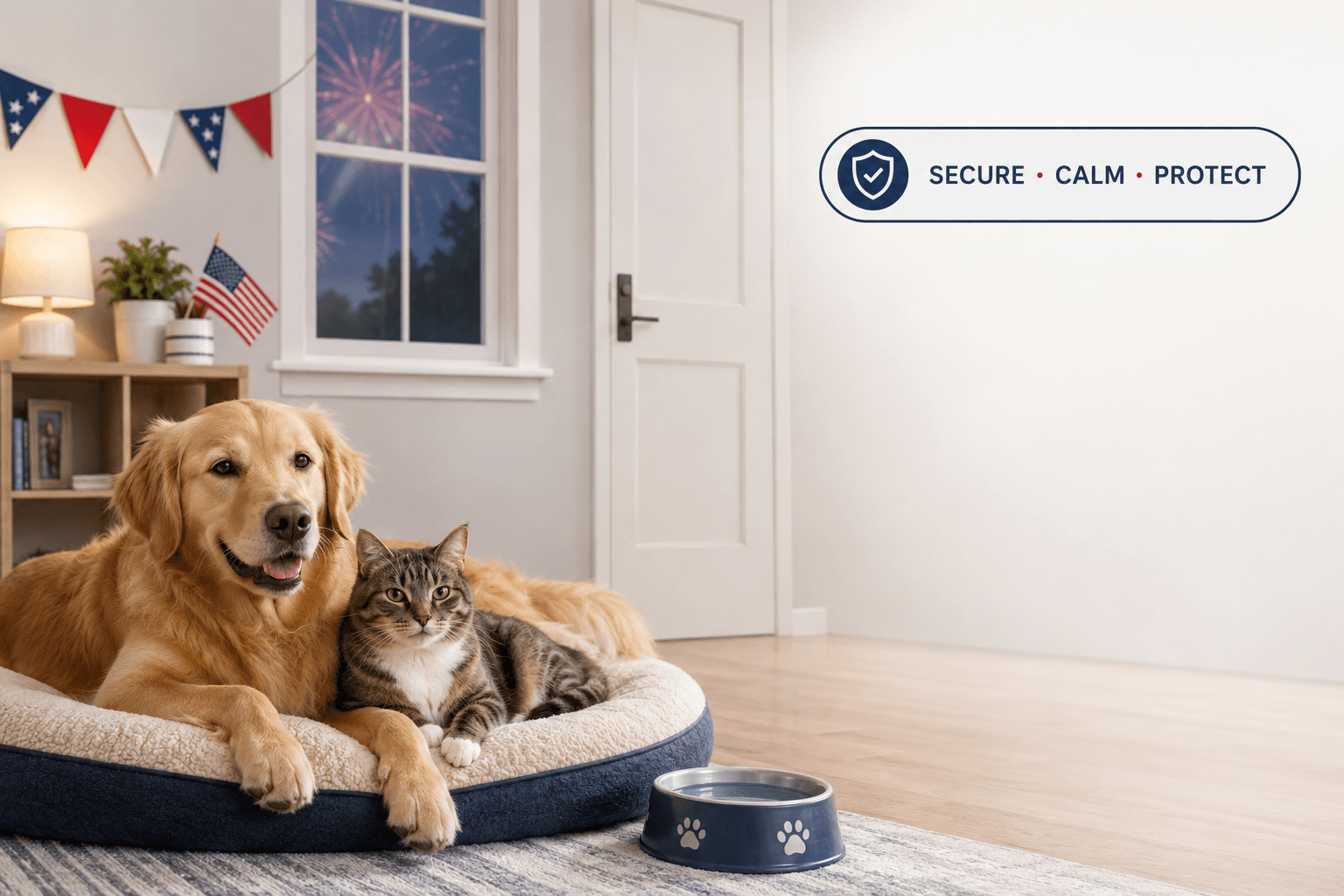
Direct Answer: 4th of July Pet Safety
4th of July pet safety means keeping pets indoors before fireworks begin, controlling doors and food, and preserving a familiar feeding and bathroom routine. Fireworks combine explosive sound, flashes, vibration, smoke, and unpredictable timing. Party traffic adds open doors, unsecured gates, unfamiliar hands, hot grills, dropped food, and distracted supervision. The correct response is not to test whether a pet can tolerate the event. The correct response is to remove escape routes and hazards before arousal rises.
Why Holiday Noise Changes Normal Pet Behavior
In most home celebrations, the problem is not disobedience. It is a threat response inside an environment with too many uncontrolled variables. A dog that respects a fence on an ordinary evening can climb, dig, or force a weak gate after a close explosion. A cat that normally hides under a bed can push through a screen or slip past a guest when another blast changes its direction.
The risk grows because fireworks rarely happen once. Repeated bursts prevent full recovery, so the pet remains alert for the next sound. Panting, pacing, vocalizing, scratching, drooling, freezing, destructive chewing, and refusal to eat are signals that the environment has exceeded the pet’s coping capacity. A strong 4th of July pet safety plan reduces exposure and movement instead of forcing social contact. A practical dog anxiety plan provides the same structure for pets that already react strongly to loud events.
What To Do Before Guests and Fireworks Arrive
For 4th of July pet safety, prepare one secure room several hours early. Choose an interior room with a solid door, closed windows, covered sightlines, comfortable bedding, clean water, and a litter box or planned leash break. Add familiar objects and steady background sound. Move the pet before dusk and before guests begin using entrances. A safe room works because it reduces decisions: the pet does not need to choose between people, doors, food, and hiding places while explosions continue.
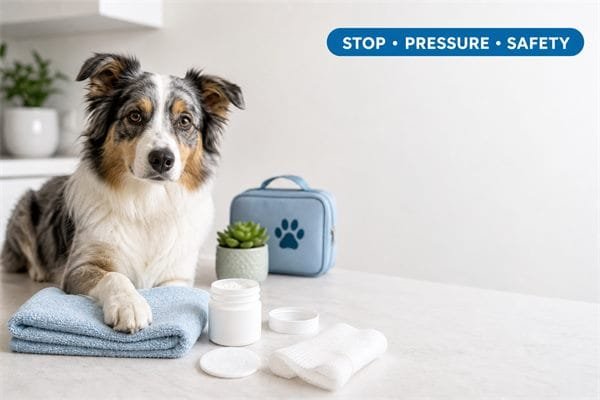
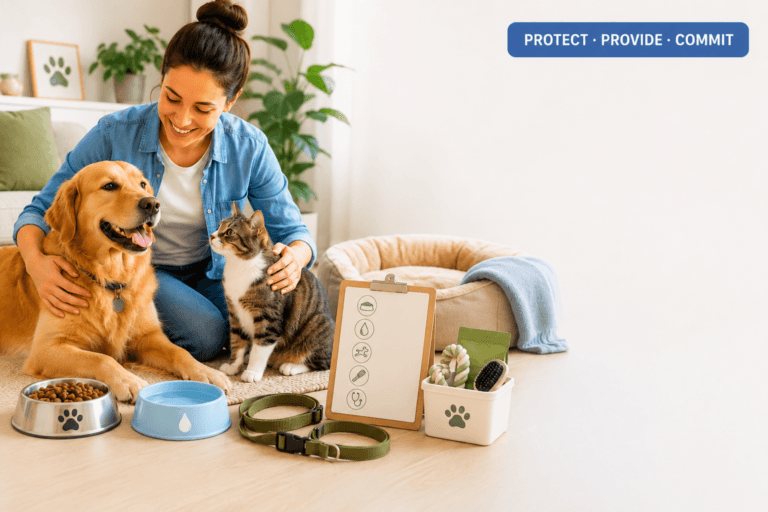
Check collars, tags, and microchip registration details before the holiday. Lock gates instead of trusting latches. Secure window screens. Put a visible note on the safe-room door. Assign one adult to manage food, bathroom breaks, and room access. Review the ASPCA general pet care guidance and keep emergency contacts, a recent pet photo, a leash, and a carrier easy to reach.
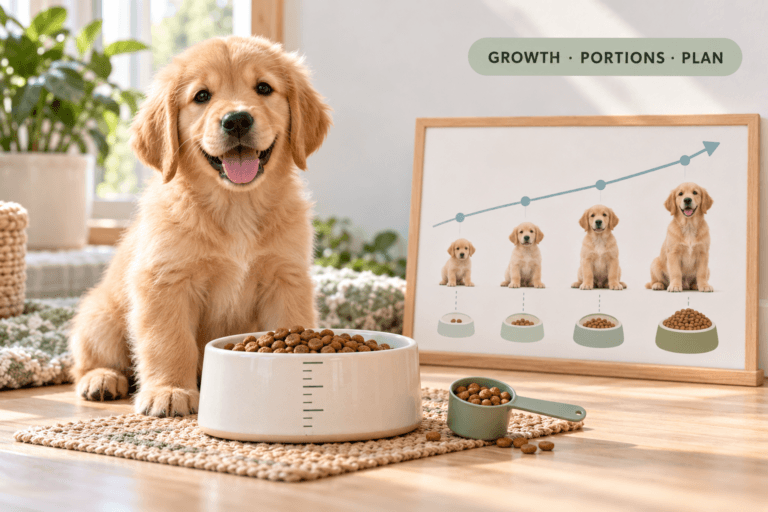
Exercise dogs earlier, while streets and yards remain quiet. Use a leash for every bathroom break, including inside a fenced yard. Feed at the normal time and measure the normal portion. A consistent scientific pet feeding schedule gives the day a predictable sequence even when the outdoor environment is unstable.
The Feeding Loop Behind Fireworks-Night Chaos
During 4th of July pet safety planning, the feeding loop becomes unstable when several people use snacks to manage distress. A firework sounds, the pet runs toward a person, and food appears. Another blast follows, the behavior repeats, and a second guest offers another bite. The pet learns that alarm behavior produces food, while owners learn that handing over food produces a few seconds of quiet.
That loop creates overeating without creating security. Use food as part of structure instead: serve the scheduled meal in the safe room, keep party plates outside, and use one measured enrichment item rather than repeated table scraps. Follow sensible smart feeder placement by keeping the feeding station away from windows, exterior walls, and doors that lead outside.
The Emotional Trigger Owners Miss
Owners often feel guilty when a pet hides or refuses contact. That guilt drives constant checking, room changes, extra treats, and attempts to pull the pet into family activity. These actions feel caring, but they keep changing the environment and can block the pet’s own recovery strategy.
Do not force participation. A hiding pet is using distance to regulate stress. Keep the room secure, enter quietly only when needed, and let the pet choose whether to approach. Strong 4th of July pet safety replaces emotional improvisation with a fixed plan shared by everyone in the household.
The Reinforcement Mechanism That Keeps the Night Escalating
This is not chemical addiction. It is learned dependence on repeated relief. The pet scratches at the door, and the door opens. The pet barks, and someone carries it into another room. The pet refuses the regular meal, and richer food replaces it. Each successful escalation teaches that stronger behavior changes the environment.
Owners enter the same reinforcement loop. They feel temporary relief after checking, feeding, or relocating the pet, so they repeat the action after every sound. Break the cycle with one room, one feeding plan, one caretaker, limited door openings, and steady background conditions. Consistency lowers the number of new triggers introduced by the household itself.
Common Failure Pattern: Trusting Ordinary Behavior
A family leaves a calm dog in the backyard because the dog has never jumped the fence. A nearby explosion triggers a sprint toward the gate, guests rush outside, and three doors open at once. The dog now has more escape routes, more shouting, and less control than before. This is where 4th of July pet safety fails: the family uses normal-evening behavior to predict behavior under extreme sound. The correction is complete indoor containment before the first trigger, followed by leashed bathroom breaks only.
Real-World Impact of Weak Preparation
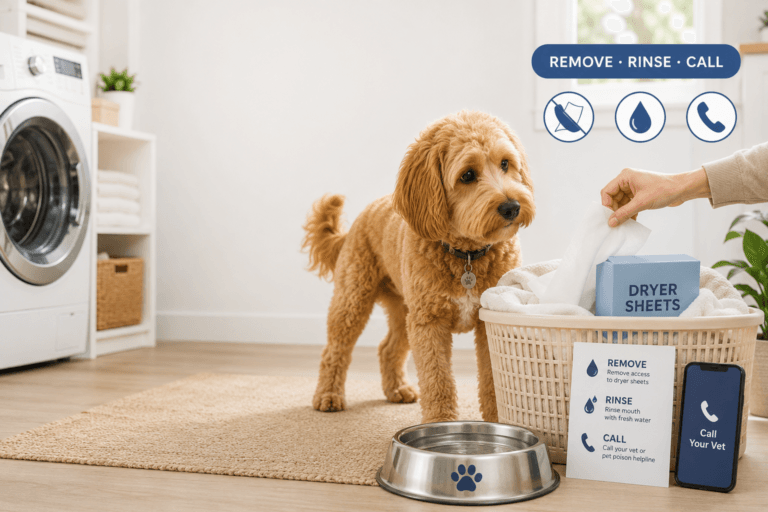
Poor 4th of July pet safety can produce traffic exposure, lost pets, damaged paws, fence injuries, heat stress, dehydration, ingestion of dangerous debris, and conflict with people or other animals. The party environment also creates food risks. Keep alcohol, chocolate, grapes, raisins, xylitol-sweetened desserts, cooked bones, skewers, corn cobs, grease, and trash outside the pet’s reach. Do not rely on guests to recognize every hazard.
Water is easy to overlook when bowls are moved for a party or when a frightened pet refuses to cross a busy room. Place a clean bowl inside the safe zone and use these pet hydration tips to keep access simple. The American Humane pet care checklist also supports advance preparation with identification, shelter, supplies, and a clear household plan.
Can This Safety Problem Be Fixed?
Yes, the household system can be fixed before the next loud event. Effective 4th of July pet safety starts by identifying every failure point: exterior doors, weak screens, loose gates, accessible trash, hot cooking areas, unverified identification, shared food, and unplanned bathroom breaks. Assign a control to each risk. Lock the gate, close the window, block the kitchen, measure the meal, schedule the walk, and designate one caretaker.
For 4th of July pet safety, preparation must also include an emergency threshold. If a pet collapses, struggles to breathe, suffers an injury, ingests fireworks material, or consumes a dangerous substance, contact an emergency animal hospital immediately. Do not spend that time testing home remedies or waiting for the party to end.
Who Should Leave the Celebration and Who Can Stay Home Safely?
A strict 4th of July pet safety plan is necessary for pets with a history of bolting, fence climbing, destructive panic, aggression under stress, or severe sound reactions. These pets should not attend backyard parties, public displays, or crowded gatherings. Puppies, kittens, newly adopted pets, seniors with sensory changes, and animals unfamiliar with the home also need tighter control. For these pets, the right choice is a secure indoor room or a quieter location arranged before the event.
Calm adult pets with no escape history still need structure. Owners who can control doors, guests, food, room access, and outdoor breaks can use a home plan. Owners who cannot control those variables should move the pet to a quieter setting before guests arrive. A celebration is optional; containment is not.
Mini FAQ
Should I take my dog to a fireworks show?
No. Public displays combine explosive sound, crowds, traffic, food waste, heat, and limited escape control. Keep the dog indoors and complete exercise and bathroom breaks before the event.
Is a fenced yard safe during fireworks?
No, a fence is not enough during panic. Dogs can dig, climb, charge gates, or squeeze through weak points they ignore on ordinary days. Use a leash for every necessary outdoor break and return indoors immediately.
When should the safe room be ready?
Set it up several hours before fireworks begin. Early preparation lets the pet explore, eat, drink, and settle before noise starts. Waiting until fear is visible turns the room into another sudden change.
Can an automatic feeder support 4th of July pet safety?
Yes, when it protects a familiar meal schedule inside a secure room. Timed portions reduce party-table feeding and unnecessary door openings. Test the feeder in advance and keep water, identification, and human supervision in the plan.
Should I keep my cat in one room all evening?
Yes, when the room is secure, ventilated, familiar, and supplied with water, food, bedding, and a litter box. One controlled room is safer than access to guest doors, open windows, hot cooking areas, and outdoor escape routes.
What is the most important rule for guests?
Tell every guest not to open the pet’s room or feed the pet. Mixed instructions fail because each person assumes someone else is watching. A visible door note and one assigned caretaker keep responsibility clear.
Test how to use a smart pet feeder before the holiday, then place a camera pet feeder for monitored routines in the prepared room when remote meal checks are useful. 4th of July pet safety succeeds when the environment—not the frightened pet—is expected to change. Secure the room, protect identification, control doors, maintain measured feeding, remove party hazards, and complete every step before fireworks begin.