
The evolution of pet feeding is not only a story about better bowls or fancier food. It is the shift from leftovers and loose habits to measured meals, safer storage, nutrition labels, portion control, timed feeding, and smart devices that protect routine. Pet feeding changed because the role of pets changed. Dogs and cats moved from yards, barns, and scraps into homes, apartments, schedules, travel plans, and health routines.
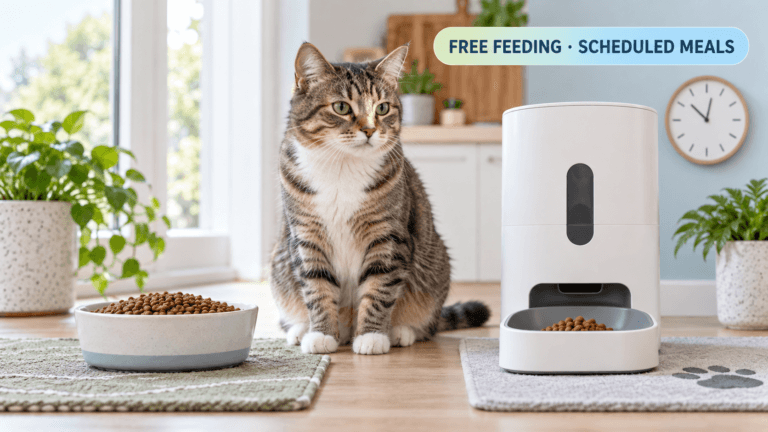
For modern dry-food routines, a smart automatic pet feeder with app control represents one end of that shift. It does not replace care. It turns feeding from a loose daily habit into a controllable system built around timing, portions, cleanliness, and owner consistency.
Direct Answer: Evolution of Pet Feeding
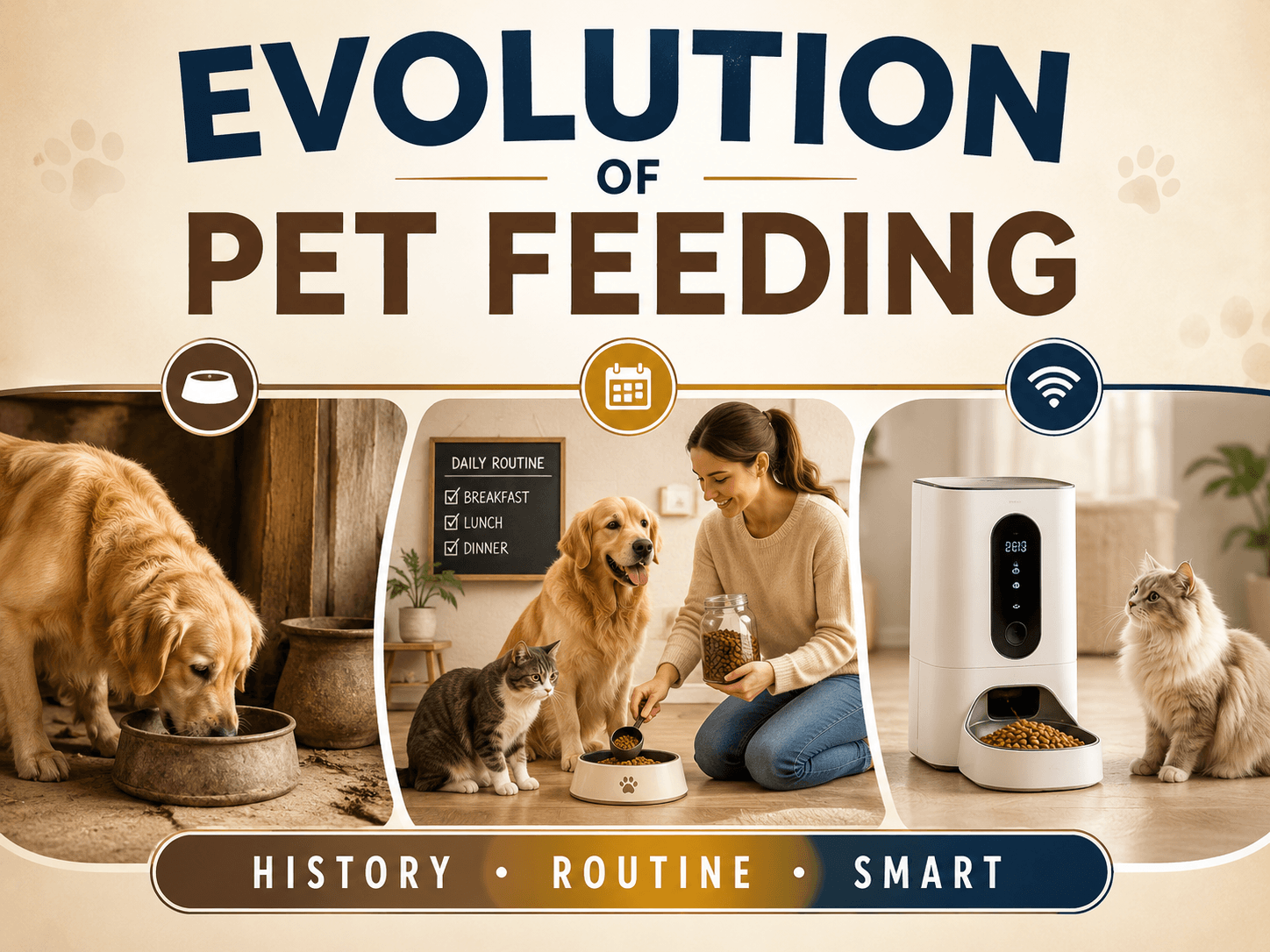
The evolution of pet feeding moved from household scraps and irregular bowl filling to commercial pet food, nutrition standards, measured portions, feeding schedules, automatic feeders, and smart feeding systems. The major change is control: modern owners are no longer only asking what pets eat. They are asking when pets eat, how much they eat, who controls access, how food is stored, and whether the routine can stay stable when the owner is busy.
The strongest modern feeding system combines appropriate food, measured portions, clean equipment, hydration access, stable placement, and routine checks. The evolution of pet feeding did not end with packaged food. It continues through smart feeders, app-controlled schedules, portion calibration, camera verification, and better hygiene expectations.
Why This Happens
Pet feeding changed because pets became closer to the household routine. When pets lived mostly outdoors or worked around farms, feeding was often informal. Food could come from leftovers, scraps, raw ingredients, or whatever was available. As pets moved indoors, owners needed cleaner storage, predictable meals, better nutrition, and less mess.
The AVMA pet nutrition guidance treats nutrition as part of routine health care, not a casual household choice. That reflects the modern standard: feeding should support body condition, life stage, activity level, and daily stability.
The evolution of pet feeding also follows the owner’s lifestyle. Workdays are longer. Apartments are smaller. Travel is more common. Multi-pet homes need access control. Weight management matters. Owners want fewer early-morning wakeups and fewer missed meals. Feeding technology grew because ordinary bowl filling could not solve every routine problem.
What To Do With This History
Use the history of pet feeding as a decision filter. Do not buy a feeder or choose a food only because it looks modern. Ask what problem it solves. Does it improve portion control? Does it reduce missed meals? Does it keep food cleaner? Does it help one pet eat without another stealing? Does it make the owner more consistent?
A practical modern feeding plan starts with the pet’s food amount, then meal timing, then equipment. The feeder should serve the plan. The plan should not be forced around the feeder.
Use scientific pet feeding schedule to build the timing layer before relying on automation. The evolution of pet feeding is most useful when it helps owners move away from guessing and toward repeatable care.
From Scraps to Commercial Pet Food
Early pet feeding was often built around human leftovers. That system looked convenient, but it had weak control. Portions were unclear. Ingredients changed every day. Fat, salt, bones, spoiled scraps, and unsuitable foods could enter the bowl. The pet’s intake depended on what the household happened to eat.
Commercial pet food changed that by creating dedicated formulas, consistent packaging, feeding directions, and easier storage. It gave owners a repeatable food source instead of a daily improvisation. The AAFCO consumer information helps pet owners understand pet food labels, ingredient statements, and nutritional adequacy language.
This part of the evolution of pet feeding matters because it explains why “just fill the bowl” is no longer enough. Once food became more consistent, owners could measure it. Once owners could measure it, they could control body condition and feeding behavior more carefully.
From Bowls to Timed Meals
The basic bowl solved access but not timing. A bowl can hold food, but it cannot decide whether breakfast comes at 6:00 a.m., whether dinner is split into two meals, or whether a fast eater should receive smaller portions across the day.
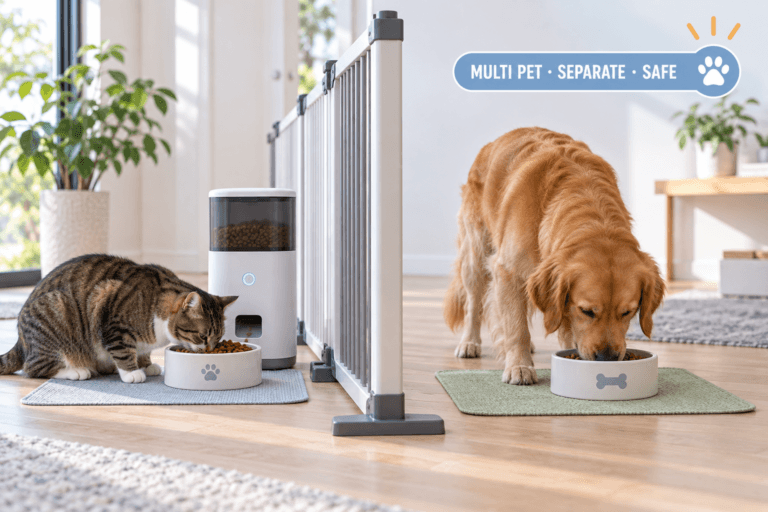
Timed feeding became useful because pets learn schedules quickly. A cat that eats at dawn can wake the owner every morning. A dog that eats too much at once can inhale food. A multi-pet home can turn one open bowl into a competition point. Timed feeders brought structure into the room.
The evolution of pet feeding moved the owner from reactive feeding to planned feeding. Instead of feeding because the pet begs, the owner feeds because the schedule says it is time.
The Feeding Loop Behind This Problem
The old feeding loop was simple: pet asks, owner feeds, pet learns to ask more. The bowl becomes a negotiation tool. The owner thinks the pet is hungry. The pet may actually be responding to habit, boredom, attention, or previous rewards.
Modern feeding tools can break that loop, but only when used correctly. A timed feeder separates the owner from the food moment. A calibrated feeder controls the amount. A clean feeder keeps the station acceptable. A stable location prevents stress and guarding.
Use pet feeder calibration when moving from bowl feeding to automatic feeding. The evolution of pet feeding is not only about machines. It is about replacing emotional feeding with measured routine.
The Emotional Trigger Owners Miss
The emotional trigger is guilt. Owners feed extra because they are late, busy, traveling, tired, or worried that the pet feels ignored. This was true in the scrap-feeding era, and it remains true in the smart-feeding era. Technology changes the tools, but owner emotion still controls many bowls.
A smart feeder can reduce guilt-driven feeding by making meals consistent when the owner is not available. It can also make the problem worse if the owner uses the manual feed button as a remote treat dispenser.
The evolution of pet feeding shows one clear rule: better tools do not create better feeding unless the owner stops using food as emotional repair. The feeder should protect the schedule, not become another way to overfeed.
The Addiction Mechanism
The addiction mechanism is reward timing. Pets repeat behaviors that produce food. If barking, meowing, pawing, waking the owner, or sitting near the bowl produces extra meals, those behaviors become stronger.
Modern feeders can help because food appears from the routine instead of the owner’s reaction. The pet learns that meals come from the schedule. The owner stops becoming the direct trigger every time the pet demands food.
However, the mechanism returns when owners override the feeder too often. The evolution of pet feeding only improves behavior when manual feeding is measured and rare. For demand behavior after meals, use why is my cat always hungry even after eating to separate real intake issues from learned pressure.
Food Safety and Storage Changed the Standard
Modern feeding also changed expectations around cleanliness. Pet food is no longer treated as something that can sit anywhere indefinitely. Dry food can collect dust, oils, moisture, and pests. Wet food needs faster handling. Bowls and feeder parts need washing.
The FDA’s safe handling guidance for pet food and treats emphasizes washing hands and surfaces, proper storage, and clean handling around pet food. Those habits apply directly to modern feeders because a feeder stores and dispenses food repeatedly.
Use clean smart pet feeder for the hygiene layer. The evolution of pet feeding raised expectations: a feeder should not only deliver food on time. It should keep the feeding station cleaner and easier to maintain.
From Portion Guessing to Measured Intake
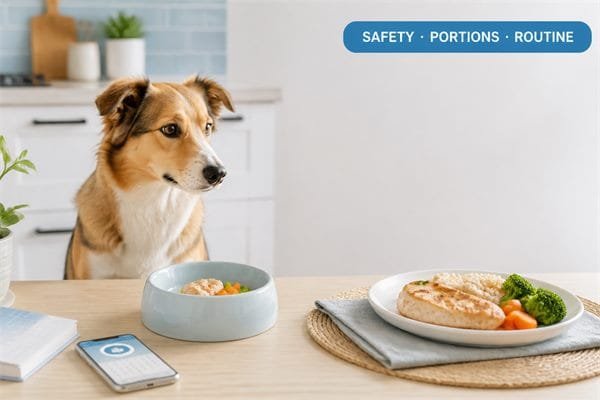
Portion control is one of the biggest advances in pet feeding. A scoop looks simple, but it can vary by hand pressure, food shape, kibble density, and who is feeding that day. One person’s scoop can be very different from another person’s scoop.
Automatic feeders improved this by creating repeatable portions, but repeatable is not the same as accurate. A feeder portion still needs testing. Different kibble sizes and shapes can change the real amount dispensed.
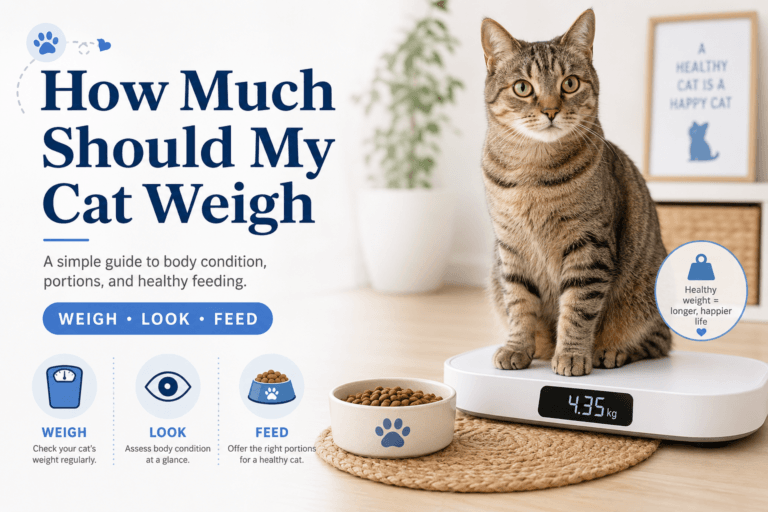
The evolution of pet feeding reached a new level when owners began weighing food, testing portions, and linking the daily amount to body condition. For weight-focused routines, use automatic feeder for weight loss before assuming that “automatic” means “correct.”
Smart Feeders and App Control
Smart feeders added another layer: remote control, schedule editing, notifications, camera checks, and app-based meal history. These features help owners manage feeding from work, travel, or another room. They are especially useful for early-morning cats, shift workers, and homes with strict portion routines.
But smart feeding also introduces new maintenance: WiFi, firmware, app access, passwords, power backup, and offline behavior. A smart feeder is not a normal bowl with a screen. It is a connected feeding system.
Use how to use a smart pet feeder and smart device security when building this layer. The evolution of pet feeding now includes digital reliability, not only food quality.
Hydration Became Part of Feeding
Older feeding routines often treated water as a separate bowl that simply needed refilling. Modern pet care treats hydration as part of the full feeding station. Dry-food pets need reliable water access. Pets in warm climates, active dogs, and cats that drink poorly need cleaner, more visible hydration routines.
Food planning without water planning is incomplete. The feeding station should make both eating and drinking easier to observe and maintain. Water should not splash into dry food, and food crumbs should not contaminate the water station.
Use automatic water dispenser for pets and pet hydration tips. A mature view of the evolution of pet feeding includes food, water, placement, and cleaning as one routine.
Common Failure Pattern
The common failure pattern is buying modern equipment while keeping old habits. The owner installs a smart feeder but still tops up the tank without cleaning it. The app controls meal times, but the owner still adds manual food whenever the pet begs. The feeder has portion settings, but no one calibrates them.
The second failure is treating pet food labels as exact instructions instead of starting points. Labels help, but the pet’s body condition, activity, age, and measured intake still need monitoring.
The third failure is ignoring the full station. The feeder works, but placement is poor. The water bowl splashes. The cable is exposed. The WiFi signal is weak. The bowl smells. The evolution of pet feeding is wasted when the household modernizes one part and neglects the rest.
Real-World Impact
The real-world impact of modern feeding is better control. Owners can schedule meals, measure portions, reduce begging loops, support weight management, verify eating, and keep routines stable during busy days. Pets gain predictable access to food without depending entirely on owner availability.
The risk is false confidence. A modern feeder can still be dirty, inaccurate, offline, poorly placed, or overused for manual treats. Technology helps only when it is tied to maintenance and discipline.
A smart WiFi pet feeder with camera can help owners verify meals, but camera access should support feeding decisions rather than turn every pet movement into another snack opportunity.
Can This Be Fixed?
Yes, weak feeding routines can be fixed by using the evolution of pet feeding as a reset map. Stop relying on scraps, guessing, open bowls, and emotional feeding. Build a system with appropriate food, measured portions, scheduled meals, clean equipment, water access, placement control, and backup rules.
Run a seven-day feeding reset. Record meal times, food weight, leftovers, begging, water intake signs, feeder cleanliness, manual feeding, and pet behavior near the station. The goal is to identify whether the real problem is food amount, timing, stealing, speed, boredom, equipment, or owner inconsistency.
For product selection, start with the smart feeders collection. Choose equipment based on the routine problem: timing, portion control, camera verification, multi-pet access, food capacity, cleaning, or power reliability.
Who Should Walk Away and Who Should Use This
Walk away from any feeding trend that makes the routine less measurable. A fashionable bowl, expensive food, or smart device is not useful if it increases guessing, overfeeding, contamination, or stress. Also walk away from using technology to avoid observing the pet.
Use the evolution of pet feeding as a guide if your pet begs constantly, gains weight, eats too fast, wakes you early, steals from another pet, misses meals during work, or needs a cleaner routine. Modern feeding is strongest when it solves a real household problem.
Cat owners can compare the cat feeders collection for smaller portions and quiet meal timing. Dog owners should use the dog feeders collection when bowl size, food volume, stability, and eating speed require stronger control.
Mini FAQ
What does evolution of pet feeding mean?
Evolution of pet feeding means the shift from scraps and irregular bowls to commercial pet food, nutrition guidance, measured portions, timed meals, automatic feeders, smart feeders, and routine-based care.
Why did pet feeding change so much?
Pet feeding changed because pets moved deeper into household life and owners needed cleaner, safer, more predictable routines. Modern homes need portion control, food storage, hydration planning, and schedule stability.
Are smart feeders part of the evolution of pet feeding?
Smart feeders are a major part of the evolution of pet feeding because they add timing control, app settings, portion routines, and remote verification. They work best when cleaned, calibrated, and placed correctly.
Is automatic feeding better than bowl feeding?
Automatic feeding is better when the problem is timing, portion control, early-morning begging, shift work, or routine consistency. A simple bowl can still work when the owner measures food accurately and maintains a stable schedule.
What is the biggest modern feeding mistake?
The biggest modern feeding mistake is using advanced equipment without changing old habits. A smart feeder cannot fix overfeeding, poor cleaning, random manual snacks, weak placement, or unmeasured portions by itself.
How should I modernize my pet feeding routine?
Modernize pet feeding by measuring food, building a schedule, cleaning the station, checking water access, calibrating any feeder, and using automation only when it solves a real routine problem.
The best lesson from the evolution of pet feeding is simple: better feeding is not about making the bowl more complicated. It is about making food cleaner, timing steadier, portions more accurate, and the owner’s routine less emotional. A modern feeder should turn daily meals into a reliable system, not another source of guesswork.