
Summer pet safety is not a bowl of water placed outside after the day becomes hot. It is a controlled routine that changes walking times, protects paws, keeps pets out of parked cars, maintains clean water, stores food correctly, and moves vulnerable animals indoors before heat stress starts. Owners who wait for heavy panting or weakness have already allowed the environment to become unsafe.
When workdays or summer travel disrupt meal timing, a smart automatic pet feeder with app control can keep measured dry-food portions on schedule in a cool indoor location. It supports consistency, but it never replaces fresh water, climate control, daily observation, or an emergency plan.
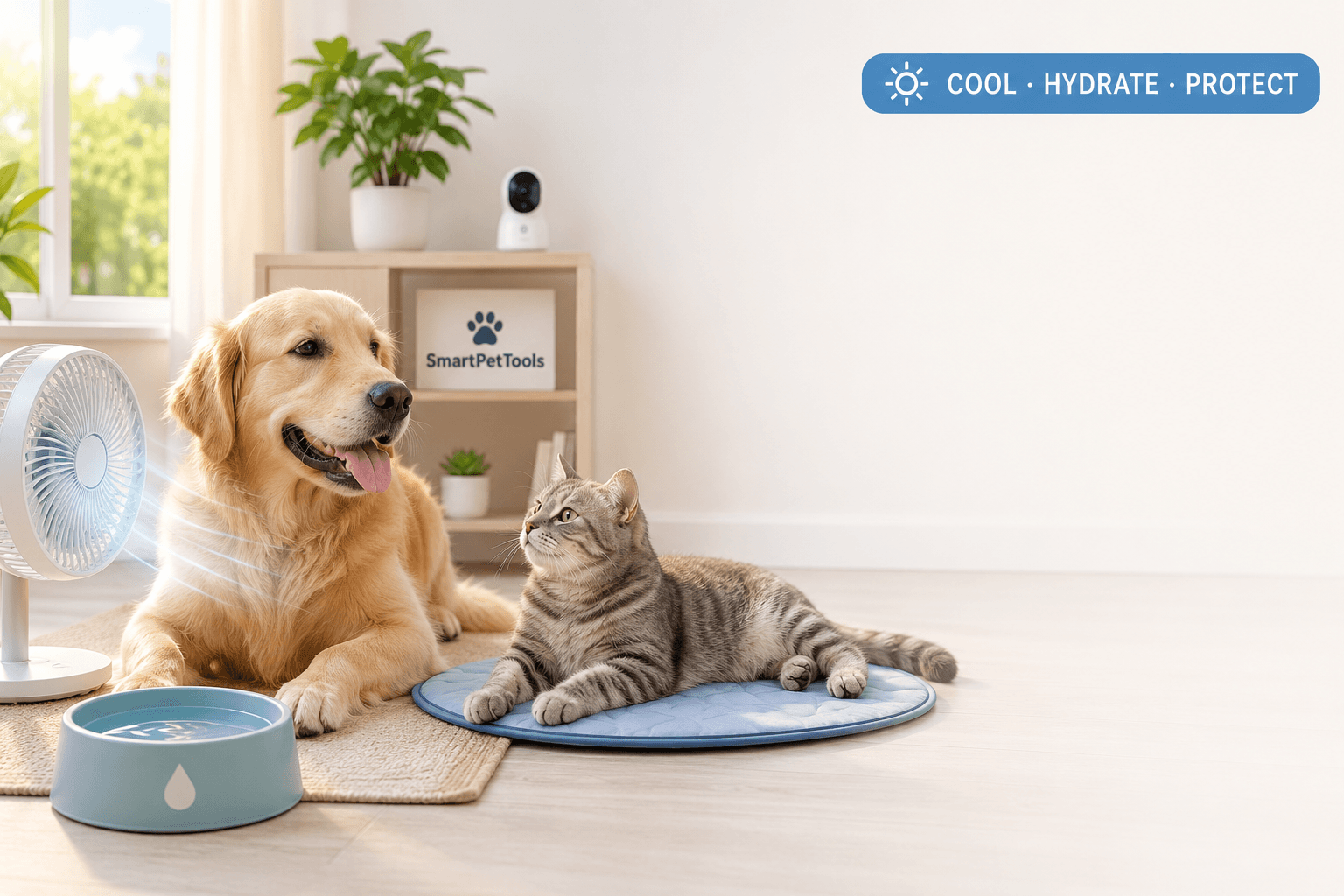
Direct Answer: Summer Pet Safety
Summer pet safety means reducing heat exposure before a pet shows distress. Move exercise to cooler hours, provide unrestricted clean water, test walking surfaces, avoid parked vehicles, control access to pools and open water, protect food from heat and moisture, and keep pets indoors during extreme conditions. A pet does not need to collapse for the day to be dangerous. Excessive panting, breathing difficulty, heavy drooling, weakness, confusion, vomiting, diarrhea, or collapse require immediate cooling action and emergency veterinary care.
Why This Happens: Summer Routines Become Dangerous Quickly
The problem is not temperature alone. Heat, humidity, direct sun, limited airflow, hot pavement, intense exercise, dehydration, age, body condition, coat type, and restricted breathing capacity can stack together. A walk that feels manageable to an owner can expose a dog to radiant heat from below while the animal produces more body heat through movement.
Parked vehicles create an especially dangerous trap because shade, cracked windows, and a short errand do not provide reliable temperature control. The AVMA vehicle safety guidance warns that a vehicle can quickly reach temperatures that put a pet at risk of serious illness or death, even when the day does not feel extremely hot.
Summer also changes household routines. Children leave doors open, water bowls move outdoors, vacations interrupt feeding times, wet food sits longer, and owners extend outings because daylight lasts later. Each small change removes one layer of control. The risk repeats because the household treats every hot day as a separate event instead of building one summer system.
What To Do Before the Heat Builds
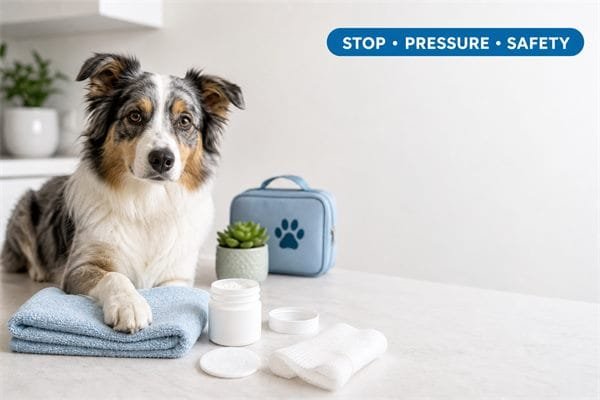
Set summer rules by time and environment, not by convenience. Schedule walks for early morning or later evening, choose shaded routes, shorten intense exercise, and carry water. Press the back of your hand against the walking surface before committing to the route. If the surface is uncomfortable to hold, move to grass, change the route, or return indoors.
Create two water points inside the home so one empty or tipped bowl does not remove access. Wash bowls daily and refill them with fresh water. Place the main feeding station away from windows, garages, patios, and appliances that produce heat. These pet hydration tips can help turn water access into a repeatable household routine rather than a last-minute response.
Use the AVMA warm-weather pet safety guidance as a practical baseline: maintain fresh water and shade, exercise during cooler periods, keep parasite prevention current, and protect pets around pools, boats, and outdoor gatherings. For homes with older pets or limited mobility, adjust exercise before summer begins rather than after the pet struggles.
The Feeding Loop Behind Hot-Weather Problems
Summer pet safety breaks down when food becomes a substitute for structure. A pet refuses breakfast after a hot walk, the owner adds richer toppers, and the pet learns to wait for the upgrade. Later, several family members offer cold treats because the pet looks uncomfortable. Calories rise while the actual problems—heat exposure, poor timing, and inadequate recovery—remain unchanged.
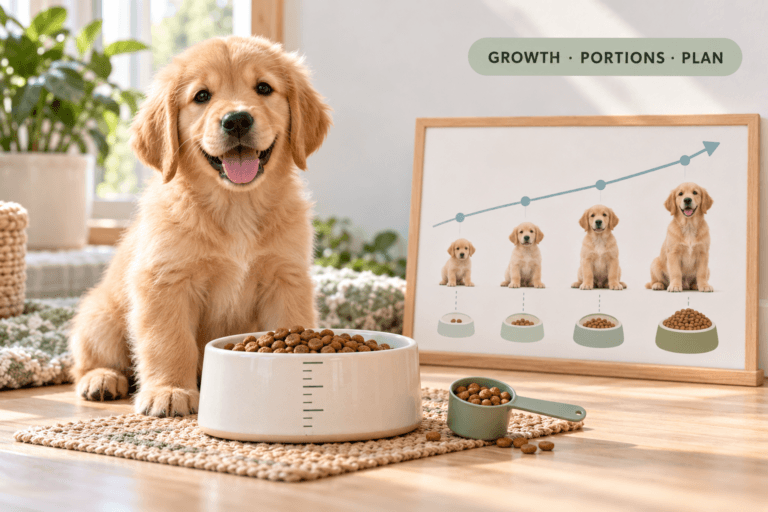
Keep meals measured and predictable. Feed in a cool indoor area, remove uneaten wet food promptly, wash bowls and scoops, and store dry food away from heat and humidity. The FDA’s proper pet food storage guidance recommends keeping dry food and unopened canned food in a cool, dry place and cleaning storage containers between bags. Use a dedicated scoop instead of the pet’s bowl to preserve portion accuracy and hygiene.
A stable scientific pet feeding schedule also prevents owners from shifting every meal around outdoor plans. The schedule should control the day: meal, rest, cooler exercise, water check, and recovery. Outdoor activity should not push feeding into random hours or create repeated table-snack compensation.
The Emotional Trigger Owners Miss
Owners often equate a long walk, beach trip, road journey, or backyard afternoon with a better summer experience. That emotional expectation can override visible evidence that the pet needs less activity. A dog that slows down is called stubborn. A cat that stays inside is encouraged onto a hot patio. A senior pet that pants during travel is given more stimulation instead of a cooler, quieter environment.
Summer enjoyment is not measured by time outdoors. It is measured by whether the pet returns to normal breathing, movement, drinking, eating, and resting without distress. Good summer pet safety gives the animal an easy exit from activity. The owner must be willing to end the outing before the planned time.
The Addiction Mechanism: Why Risky Summer Habits Repeat
This is not chemical addiction. It is a relief-and-reward loop. Owners enjoy the emotional reward of including the pet in every activity. The pet becomes excited when the leash, car keys, or cooler appears. That excitement confirms the owner’s plan, even when the weather makes the activity unsafe. After the outing, extra food and attention relieve the owner’s guilt about fatigue or panting.
The loop repeats because both sides receive a reward before the consequences become obvious. Break it by using fixed thresholds: no parked-car waiting, no midday pavement walks, no unsupervised pool access, no outdoor feeding station in direct heat, and no extended exercise when recovery slows. A rule removes the need to renegotiate safety during every outing.
Micro Case: The Afternoon Walk That Looked Normal
A family takes its dog on the usual neighborhood route at 3 p.m. because the dog still runs to the door when the leash appears. Halfway through, the dog slows, seeks shade, and pants harder, but the family continues because the route is almost finished. The problem is not motivation; the dog’s excitement hid the environmental load at the start. The consequence is prolonged heat exposure and delayed recovery. The correct action is to stop, move to shade, offer cool water in small amounts, return to a climate-controlled space, and move future walks to cooler hours.
Real-World Impact of a Loose Summer System
Weak summer pet safety produces more than temporary discomfort. Hot surfaces can injure paw pads. Heat exposure can progress from heavy panting and weakness to collapse and organ damage. Unsecured pools create drowning risk, and lake or ocean outings add currents, contaminated water, fishing equipment, and boat hazards. Garbage from cookouts introduces bones, skewers, corn cobs, fatty scraps, alcohol, and unsafe sweeteners.
The ASPCA’s hot-weather safety tips emphasize fresh water, shade, reduced exercise, indoor shelter during extreme heat, recognition of overheating signs, and the rule that animals must never be left alone in parked vehicles.
Routine disruption also affects body weight and behavior. When outdoor exercise drops but portions and treats remain unchanged, calorie intake no longer matches activity. Use a healthy pet weight routine to adjust measured feeding without replacing movement with random restriction. The solution is planned calories and safer activity, not skipped meals.
Can Summer Pet Safety Failures Be Fixed?
Yes, when the household replaces reminders with physical controls. Put leashes and water bottles beside the door. Store food in a cool cabinet. Add a second water bowl. Block access to pools and trash. Move exercise onto the calendar. Keep a carrier ready. Save the nearest emergency animal hospital before travel. Check cooling systems before leaving a pet at home.
When overheating signs appear, end activity immediately, move the pet into shade or air conditioning, apply cool—not ice-cold—water to the body, use airflow, and contact an emergency veterinary service while cooling begins. A pet that collapses, becomes confused, has difficulty breathing, vomits repeatedly, develops seizures, or cannot stand needs emergency transport. Do not force large amounts of water and do not delay transport while testing home remedies.
Who Should Skip the Outing and Who Can Use a Controlled Plan?
Pets with flat faces, thick coats, heart or breathing problems, obesity, advanced age, very young age, limited mobility, or a history of heat intolerance need stricter limits. They should skip hot midday outings, crowded festivals, long car trips without dependable climate control, and intense exercise. Summer pet safety for these animals means shorter exposure, faster access to cooling, and closer observation.
Healthy adult pets can join controlled activities when the owner provides shade, water, surface checks, supervision, planned breaks, secure restraint, and a fast route back indoors. A pet that cannot leave the activity safely should not attend. Swimming ability also does not remove the need for supervision or a properly fitted flotation device around open water.
Mini FAQ
What is the most important summer pet safety rule?
Prevent heat exposure before symptoms appear. Pets can continue walking or playing while body heat rises. Choose cooler hours, shorten activity, provide water, and stop at the first change in breathing, pace, or behavior.
Can I leave my pet in the car with the windows cracked?
No. Cracked windows do not provide dependable cooling, and parked vehicles can heat rapidly. Leave the pet in a climate-controlled home or bring another adult who can remain with the pet outside the vehicle.
How do I protect my dog’s paws in summer?
Test the surface and change the route when it feels hot. Pavement, sand, and artificial turf can retain intense heat. Walk during cooler hours, choose grass or shade, and keep the dog moving only on surfaces that remain comfortable.
Should I change my pet’s feeding schedule during hot weather?
Keep the schedule stable unless the current timing conflicts with exercise or heat. Feed measured meals in a cool indoor space and separate intense activity from large meals. Move the walk rather than turning feeding into a random daily decision.
Does shaving a pet make summer safer?
Not as a universal rule. A coat can provide insulation and sun protection, while shaving too close exposes the skin. Use regular brushing, remove mats, maintain an appropriate trim for the coat type, and prioritize shade, water, airflow, and controlled activity.
Can an automatic feeder replace a pet sitter during summer travel?
No. A feeder can maintain dry-food portions, but it cannot restore failed air conditioning, refill spilled water, recognize heat distress, or respond to illness. Use it as one layer inside a plan that includes daily human checks.
Before a hot-weather schedule begins, review how to use a smart pet feeder and test a smart automatic pet feeder with app control while someone is still home. Summer pet safety works when heat, water, food, exercise, travel, and supervision are managed as one system. Move activity to cooler hours, keep meals measured, protect paws and exits, and act before the pet’s body is forced to signal an emergency.