
Dog won’t stop barking is one of the most frustrating problems in a home because it feels urgent, loud, and impossible to ignore. But barking is not one behavior. It can be alert barking, boredom barking, demand barking, fear barking, separation-related barking, territorial barking, frustration barking, or meal-time barking. The fix depends on the trigger.
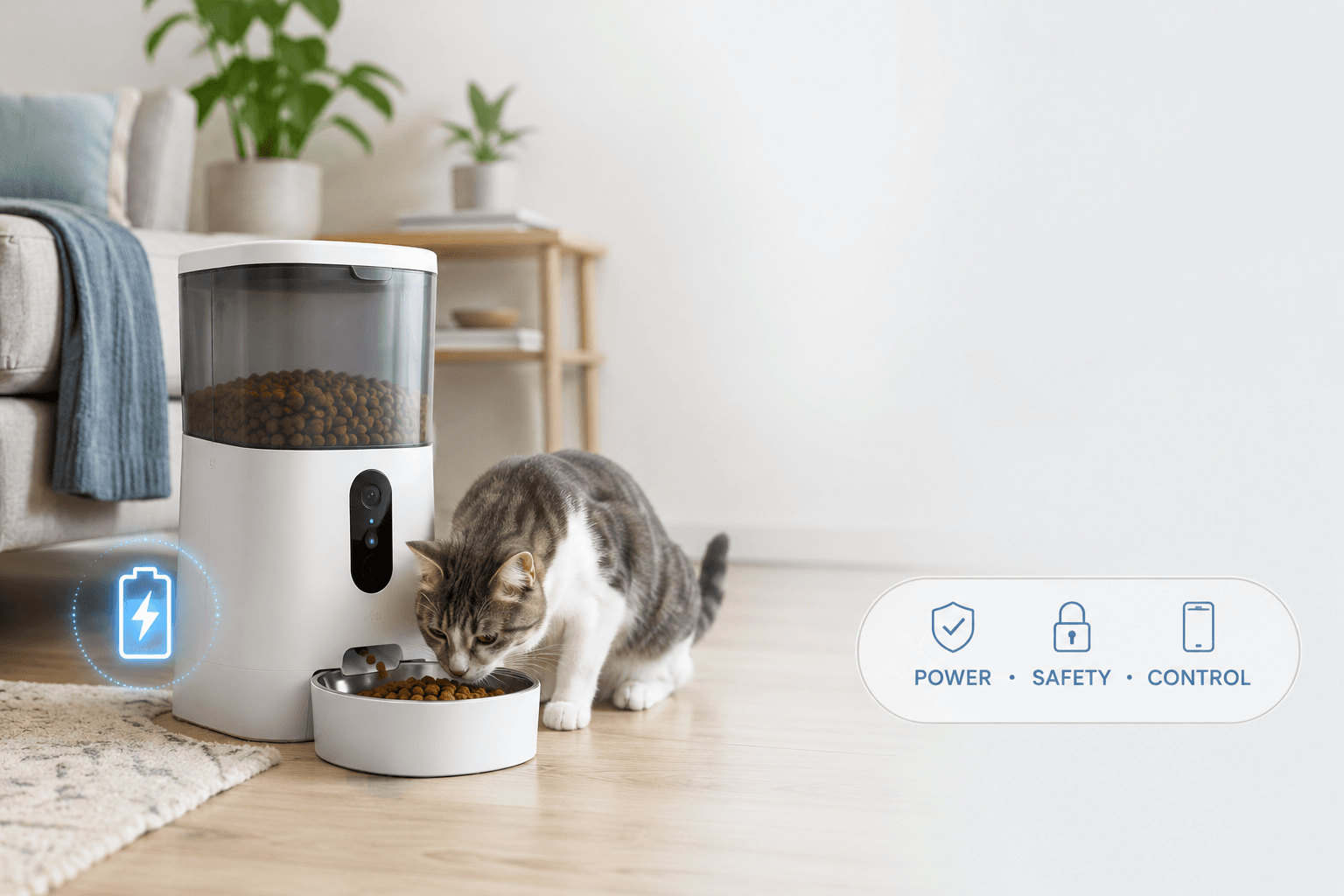
For dogs that bark around food timing, a 2L smart pet feeder for regular feeding can help stabilize the routine. A feeder will not train silence by itself, but predictable meals remove one common reason a dog learns to bark at people for action.
Direct Answer: Dog Won’t Stop Barking
If your dog won’t stop barking, first identify the trigger, then remove the reward, manage the environment, teach an alternate behavior, reward quiet moments, add exercise and enrichment, and avoid yelling because yelling often sounds like joining the barking. Barking that is sudden, extreme, paired with panic, linked to pain, or happening when the dog is alone may need veterinary or behavior-professional support.
The fastest first step is to write down when the barking happens: before meals, at the window, at the door, in the crate, during walks, at night, when left alone, or when the owner is using a phone or laptop. A dog won’t stop barking plan works only when it targets the correct pattern.
Why This Happens
Dogs bark because barking works. It makes strangers move away, brings owners into the room, opens doors, starts walks, produces food, ends crate time, or creates attention. Sometimes barking begins from fear or alertness, but it becomes stronger when the dog repeatedly gets a useful result.
The ASPCA’s barking behavior guidance separates barking into different types, including territorial, alarm, attention-seeking, greeting, compulsive, and socially facilitated barking. That distinction matters because one correction method cannot fix every barking type.
A dog barking at the door needs a different plan than a dog barking for breakfast. A dog barking from separation distress needs a different plan than a dog barking because squirrels pass the window. This is why dog won’t stop barking advice must start with cause, not volume.
What To Do First
Start with a barking log for three days. Record the time, location, trigger, owner response, dog body language, and what happened afterward. The “afterward” is critical because it reveals the reward. Did the dog get food, attention, access, distance from a threat, or release from confinement?
Next, reduce rehearsal. If the dog barks at the front window all day, block the view temporarily. If the dog barks at hallway noise, use white noise and move the dog’s resting area. If the dog barks before meals, stop preparing food while the dog is barking and restart only when calm.
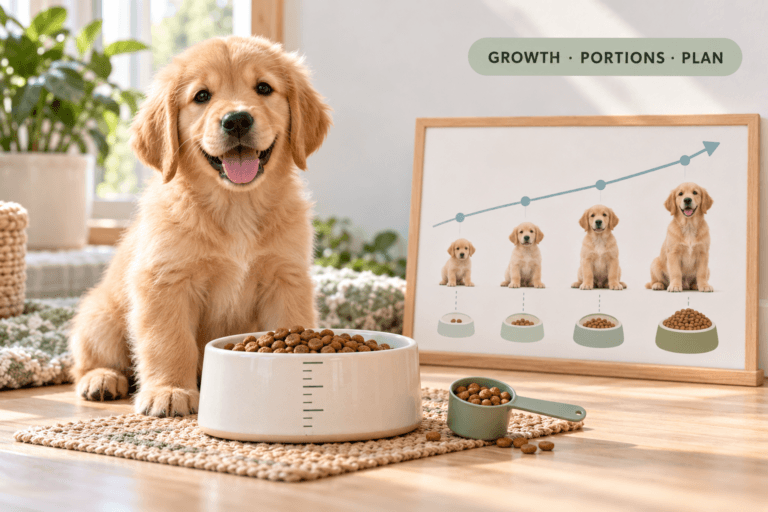
Use scientific pet feeding schedule if barking is tied to food anticipation. A steady feeding rhythm helps separate true routine needs from trained demand barking.
The Feeding Loop Behind Barking
The feeding loop is common. The dog barks near dinner time. The owner says “quiet” and prepares the bowl faster. The dog barks louder tomorrow because barking made food happen. The owner thinks the dog is excited, but the dog has learned a reliable food button.
Then the pattern expands. The dog barks when the owner opens the food bin, touches the leash, walks toward the kitchen, or checks the feeder app. Each cue predicts action, and barking becomes part of the ritual.
A better dog won’t stop barking feeding plan removes the payoff. Food preparation pauses when barking starts. Quiet sitting, mat behavior, or waiting behind a gate earns the meal. The dog learns that calm behavior moves the routine forward.
The Emotional Trigger Owners Miss
The emotional trigger is embarrassment or irritation. Barking feels like public failure when neighbors hear it, guests react, or the dog explodes at the window. Owners often respond by shouting, rushing, grabbing, or feeding quickly just to stop the noise.
That response may stop the moment but reinforce the behavior. The dog learns that barking creates motion and attention. The owner feels relief, so the owner repeats the same response next time.
The right response is boring and consistent. Reduce access to triggers, reward quiet before barking escalates, and teach a replacement behavior the dog can perform instead of barking.
The Addiction Mechanism
The addiction mechanism is variable reward. The dog barks at the window. Sometimes the person leaves. The dog barks for food. Sometimes food appears. The dog barks for attention. Sometimes the owner talks. Because barking sometimes works, the dog keeps trying.
This is why random correction fails. If barking pays once every ten times, many dogs will keep barking. The reward pattern has to change consistently.
A strong dog won’t stop barking plan makes quiet behavior pay more reliably than barking. That means timing rewards before the explosion, not after the dog has already practiced the full barking sequence.
Alert Barking at Windows and Doors
Alert barking happens when the dog sees or hears something and warns the household. This can be useful once. It becomes a problem when the dog cannot stop after the warning.
Block the visual trigger with curtains, window film, gates, or room changes. Teach a “thank you” cue followed by a redirect to a mat, treat scatter, or quiet station. Reward the dog for disengaging from the window, not for continuing to patrol.
If your dog won’t stop barking at every sound, the dog may be over-rehearsed. Reduce the number of alerts the dog gets to practice each day before expecting training to work.
Demand Barking for Food or Attention
Demand barking is barking that asks for something: food, play, doors, petting, toys, or attention. The fix is not ignoring the dog forever. The fix is teaching a different request behavior.
Ask for a sit, down, mat, quiet pause, or eye contact before giving access. Reward calm asking. Do not give the requested item while the dog is barking. If the owner sometimes gives in, the barking becomes stronger.
For meal-related demand barking, a timed slow feed automatic feeder can help separate food delivery from owner reaction. The schedule should reward calm routine, not frantic noise.
Boredom Barking
Boredom barking often happens when a dog has too much idle time and too little structured activity. The dog barks at minor sounds, shadows, people outside, other dogs, or nothing obvious because barking becomes self-entertainment.
Add sniff walks, training games, appropriate chewing, food puzzles, calm settle training, and predictable rest. Exercise matters, but mental enrichment matters too. A tired dog is not always a calm dog if the routine creates constant arousal.
Use pet nutrition tips and feeding puzzles when appropriate. Food can be part of enrichment, but it should remain measured so boredom training does not become overfeeding.
Night Barking
Night barking can come from outside sounds, discomfort, hunger timing, needing to eliminate, loneliness, crate stress, senior confusion, pain, or habit. The first step is to identify whether the dog is waking to a real need or barking because barking has trained the household to respond.
Check the basics: final potty break, water access, room temperature, bedding comfort, pain signs, meal timing, and whether the dog can hear hallway or street noise. Then create a consistent night routine.
If a dog won’t stop barking at night after a sudden change, do not assume stubbornness. Senior dogs, painful dogs, and dogs with digestive or urinary issues may bark because something is wrong.
Separation-Related Barking
Barking when left alone can be simple frustration, but it can also be separation-related distress. Signs may include pacing, drooling, destruction near exits, attempts to escape, house soiling, trembling, or barking that begins soon after departure.
Do not solve separation distress with punishment or bark collars. These can increase panic while suppressing the only signal the dog has. Separation-related cases often need a careful desensitization plan and professional guidance.
VCA’s separation anxiety guidance explains that separation anxiety is a distress condition rather than ordinary disobedience. If your dog won’t stop barking only when alone, treat the pattern seriously.
Barrier and Leash Barking
Some dogs bark behind fences, windows, crates, baby gates, or on leash because they are frustrated or over-aroused. They can see the trigger but cannot reach, greet, avoid, or investigate it.
Create distance before the dog explodes. Reward looking at the trigger calmly and then looking back at you. Use barriers to prevent rehearsing fence-line barking. Do not let the dog practice charging and barking at the same fence every day.
A dog won’t stop barking problem often improves when the dog gets fewer full-intensity rehearsals. Management is not cheating. It is how training becomes possible.
Puppy Barking
Puppies bark because they are learning what works. They bark for attention, food, play, release from confinement, or because they are startled. Early owner response shapes the habit quickly.
Reward quiet pauses. Teach settle. Keep potty, sleep, feeding, and play routines predictable. Do not let the puppy learn that barking opens every door or starts every game.
For puppies that bark around meals and then gulp food, use how to stop my dog from inhaling his food. Fast eating and demand barking often come from the same over-excited routine.
When Barking May Be Medical
Sudden barking changes can be linked to pain, cognitive changes, hearing loss, vision loss, digestive discomfort, urinary urgency, skin irritation, injury, or medication effects. This is especially important in senior dogs or dogs that bark at night for the first time.
Medical barking often appears with other signs: pacing, panting, restlessness, appetite changes, limping, vomiting, diarrhea, excessive drinking, house accidents, hiding, irritability, or confusion.
If your dog won’t stop barking and the behavior is new, intense, or paired with health signs, schedule a veterinary exam before treating it as training failure.
Teach a Quiet Cue Correctly
A quiet cue works only after the dog understands what quiet means. Wait for a tiny pause in barking, mark it with “yes” or a click, then reward. Repeat until the dog learns that silence earns something.
Do not shout “quiet” repeatedly while the dog is still barking. That only turns the cue into background noise. The cue should be paired with the moment the dog stops, not with the full barking episode.
Once the dog understands, practice in easy situations before using it at the door, window, fence, or meal station.
Teach a Place or Mat Cue
A mat cue gives the dog something concrete to do instead of barking. Teach the dog to go to a bed or mat for treats. Then use it when low-level triggers appear. Over time, the dog learns that door sounds, meal prep, or owner movement predict settling rather than barking.
For meal-time barking, place the mat outside the kitchen or feeding area. Food preparation continues only while the dog remains quiet on the mat. If barking starts, preparation pauses.
Use smart feeder placement to organize the feeding station so the dog is not crowding the bowl, barking at the machine, or blocking the owner during setup.
Do Not Accidentally Reward Barking
Common accidental rewards include opening the door while the dog barks, feeding while the dog barks, throwing the toy while the dog barks, touching the dog while it demand barks, or shouting every time the dog starts.
Instead, reward the behavior you want: quiet, sitting, going to mat, looking away from the trigger, returning to you, or chewing an approved item. The reward should happen before the barking becomes uncontrollable.
If a dog won’t stop barking, the household must agree on the rules. One person giving in can maintain the habit for everyone.
Feeding Schedule and Barking
Dogs often bark when feeding times are unpredictable. If breakfast is at 6:30 one day and 9:00 the next, the dog may start pushing earlier because barking sometimes works. Predictable feeding lowers negotiation.
Use measured meals. Keep treats controlled. If the dog barks for food, wait for quiet before feeding. If needed, use a timed feeder to remove the owner from the emotional moment.
For larger dogs, compare automatic dog feeder for large dogs guide. A steady routine helps when a dog won’t stop barking around meals, but training still has to teach calm waiting.
Hydration, Heat, and Discomfort
Some barking increases when dogs are hot, thirsty, uncomfortable, or restless. Check water, room temperature, bedding, outdoor exposure, and whether the dog has enough chances to eliminate.
The dog should not need to bark repeatedly for basic care. Fresh water, clean bowls, reasonable temperature, and regular potty breaks should be built into the day.
Use pet hydration tips. A barking plan should not ignore physical comfort.
Tools to Avoid
Avoid tools that punish barking without addressing the cause. Shock collars, harsh corrections, yelling, and startle methods may suppress noise temporarily while increasing fear, stress, or aggression risk. They also fail to teach the dog what to do instead.
The Humane Society of the United States provides barking guidance focused on identifying the reason and avoiding punishment-based shortcuts. The practical lesson is simple: quiet is trained by changing triggers and rewards, not by scaring the dog into silence.
Use professional help when barking is intense, fear-based, aggressive, or separation-related. The more emotional the barking, the less useful punishment becomes.
Common Failure Pattern
The most common failure pattern is yelling “quiet” after the dog is already fully aroused. The dog hears noise from the owner and continues. The owner gets louder. The dog gets more activated.
The second failure is rewarding demand barking without noticing. The dog barks, and the owner opens the door, feeds, throws the toy, or gives attention. The barking worked.
The third failure is ignoring environment. A dog that watches delivery workers, neighbors, birds, and dogs through the window all day is practicing alert barking for hours.
Real-World Impact
The real-world impact of fixing barking correctly is a calmer home. The dog still communicates, but barking no longer controls the household. Mealtimes become quieter. Window patrol reduces. Guests become manageable. Night routines become more predictable.
The impact of poor barking management is stress: annoyed neighbors, owner frustration, dog anxiety, reinforced demand behavior, and a home where every sound becomes a trigger.
For routine support, compare the dog feeders collection. Feeding tools help most when the owner also trains calm waiting and removes barking rewards.
Can This Be Fixed?
Yes, most barking problems can be improved when the trigger is identified and the reward pattern changes. Block unnecessary triggers, teach quiet and mat cues, reward calm behavior, stabilize meals, add enrichment, check health, and stop giving the dog what it wants while barking.
Run a fourteen-day barking reset. Track triggers. Block window access if needed. Feed on a schedule. Reward quiet before barking starts. Teach mat behavior daily. Add sniff walks and chew time. Do not yell. Do not manually feed during barking. Review the log after two weeks.
For broader feeding stability, start with the smart feeders collection. A feeder can support consistency, but the owner still controls triggers, rewards, and training.
Who Should Walk Away and Who Should Use This
Walk away from yelling, shock-based shortcuts, feeding to silence barking, opening doors during barking, and expecting a dog to stop barking without an alternate behavior. Also walk away from assuming sudden barking is behavioral when pain, illness, or senior confusion may be involved.
Use this dog won’t stop barking guide if your dog barks for food, barks at the door, barks at windows, barks at night, barks when alone, demand barks for attention, or barks from boredom. It is especially useful for puppies, newly adopted dogs, food-motivated dogs, apartment dogs, alert barkers, and dogs with chaotic meal routines.
For scheduled meals during a barking reset, a smart automatic pet feeder with app control can help keep timing consistent. Use it as part of training, not as a substitute for training.
Mini FAQ
Why does my dog won’t stop barking at everything?
Your dog may bark at everything because alert barking has been rehearsed, triggers are too visible, the dog is bored, the dog is anxious, or barking has repeatedly earned attention or access. Start by reducing triggers and rewarding quiet pauses.
How do I stop demand barking?
Stop demand barking by giving the dog nothing while barking and rewarding a quiet alternate behavior such as sit, down, mat, or eye contact. Everyone in the household must follow the same rule.
Should I ignore barking?
Ignoring can help demand barking, but it is not enough for fear, separation distress, alert barking, or medical discomfort. Identify the cause before choosing the response.
Why does my dog bark before meals?
Your dog barks before meals because barking may have become part of the feeding routine. Pause food preparation during barking and continue only when the dog is quiet or on a mat.
Can an automatic feeder stop barking?
An automatic feeder can help with meal predictability, but it will not stop barking by itself. The dog still needs training so calm behavior, not barking, becomes the behavior that predicts food.
When should I get help for barking?
Get professional help if barking is sudden, extreme, aggressive, panic-based, linked to separation distress, paired with health changes, or causing serious household conflict. Veterinary and behavior support can identify causes that training alone may miss.
The clearest answer when a dog won’t stop barking is not “make the dog be quiet.” It is “find what barking is doing for the dog.” Once you know whether barking creates food, attention, access, distance, stimulation, or relief, you can change the environment, teach a replacement, and reward calm behavior before noise takes over the routine.