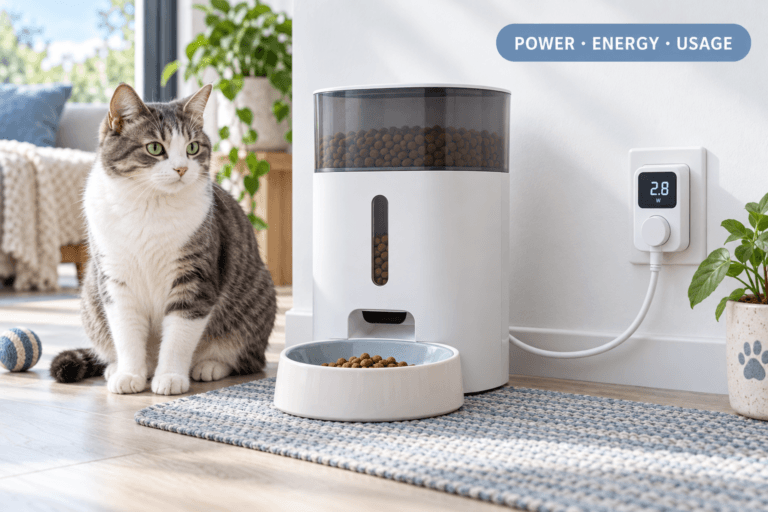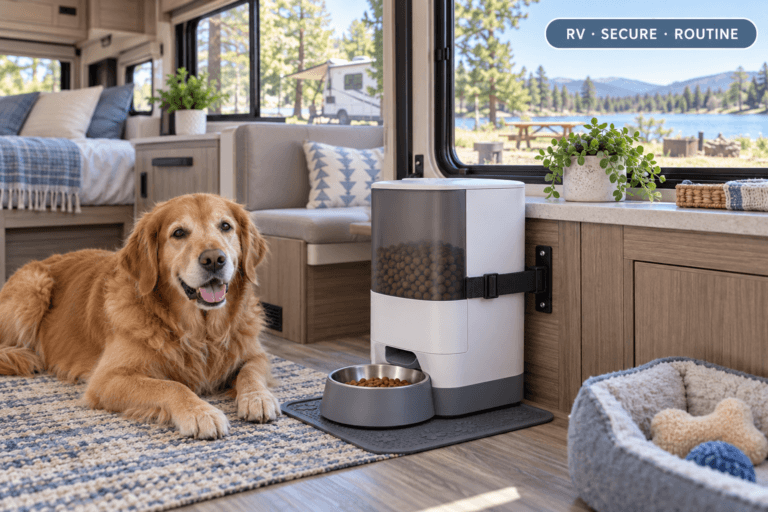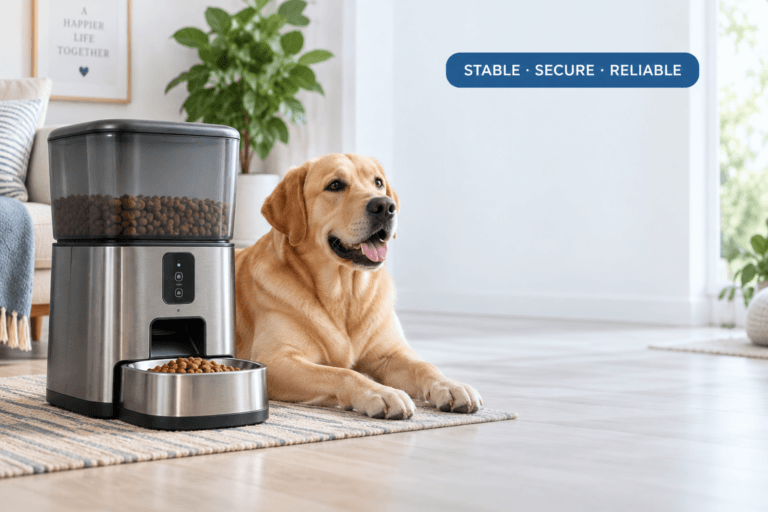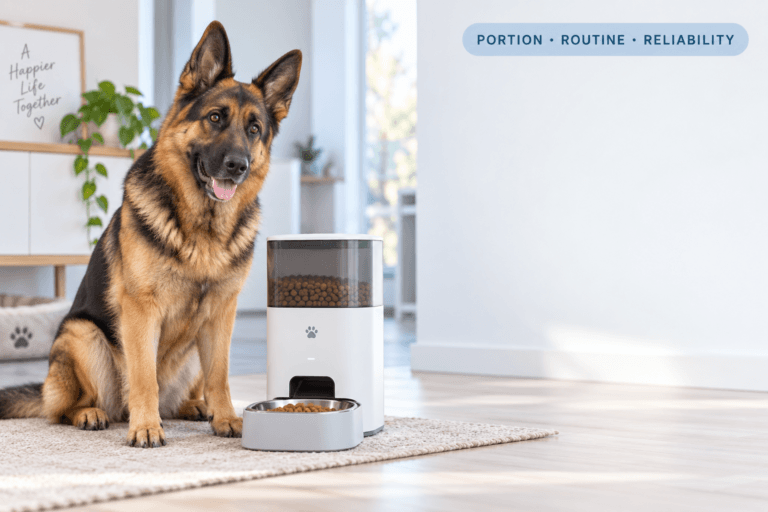

Microchip pet feeder vs RFID is not a small technology comparison. It is a feeding-control decision for homes where one pet steals food, one pet needs a restricted diet, or several animals turn mealtime into a daily access problem. The wrong choice does not just waste money. It keeps the same food stealing loop alive.
For multi-pet homes that need stronger meal visibility and separation, a double-bowl smart feeder for monitored routines can support scheduled feeding when full identity-lock access is not the main requirement. The key is matching the feeder to the real problem: identity control, routine control, or behavior control.
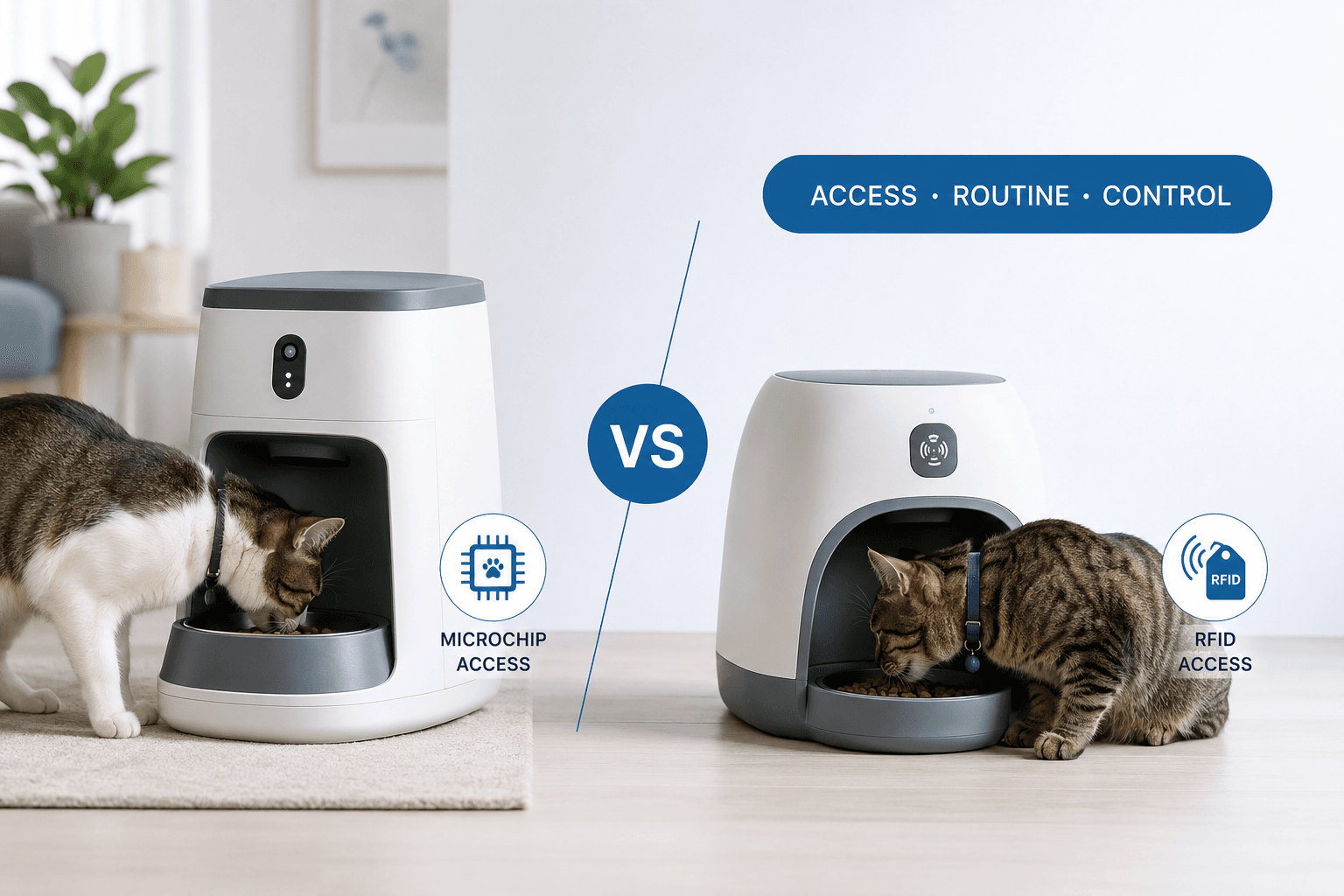
Direct Answer: microchip pet feeder vs rfid
Microchip pet feeder vs RFID comes down to identity reliability versus tag flexibility. A microchip feeder is stronger when the pet already has an implanted microchip and food must follow one animal only. An RFID feeder is better when the household accepts collar tags, removable tokens, or assigned tags for pets that are not microchipped. For food stealing, weight control, and prescription-style separation, microchip access gives a firmer boundary; for flexible setup, RFID tags are easier but easier to lose, remove, or swap.
Why This Happens
The problem is not the feeder label. The problem is access control. In consumer feeding language, a microchip feeder reads the implanted pet ID, while an RFID feeder usually reads an external collar tag or token. Some feeders combine both systems, so the correct buying check is the actual reader method, not the marketing name.
Microchip pet feeder vs RFID becomes important when the home has unequal feeding needs. One cat eats too fast. Another cat needs weight control. A dog keeps reaching the cat bowl. One pet is timid and leaves food behind. If the feeder cannot identify the correct animal, the dominant pet keeps winning the food system.
This is why multi-pet feeding should start with the household pattern, not the gadget. SmartPetTools explains the same control issue in how to stop one cat from eating the other’s food and in how to stop cats from eating each other’s food. A feeder works only when it blocks the reward path that keeps the stealing behavior profitable.
What To Do
Choose a microchip feeder when the priority is fixed identity control. The pet cannot forget an implanted chip, another pet cannot remove it, and the household does not have to manage collar tags. This is the cleaner choice for cats that dislike collars, homes with repeated food stealing, and feeding plans where one animal must not access another animal’s bowl.
Choose an RFID feeder when the priority is flexible assignment. RFID tags work for pets without implanted chips, temporary feeding zones, and households that can keep collars on safely and consistently. The weak point is obvious: a lost tag, loose collar, or swapped collar breaks the access rule.
Microchip pet feeder vs RFID should also be paired with a fixed scientific pet feeding schedule. Access control stops the wrong pet from eating the food, but the schedule controls when the right pet gets rewarded. Without timing rules, the feeder becomes a locked snack station instead of a feeding system.
The Feeding Loop Behind This Problem
The feeding loop is simple. The fast pet approaches the wrong bowl, eats extra food, and receives a reward. The slower pet loses food and becomes more hesitant. The owner notices the problem late, adds more food, and accidentally rewards the dominant pet again. That loop teaches the household that stealing creates supply.
Microchip pet feeder vs RFID matters because both technologies try to interrupt that loop at the access point. The feeder should make the wrong behavior unrewarding. When the stealing pet cannot open the bowl, the reward disappears. When the correct pet can eat without pressure, the routine becomes calmer.
For homes with multiple animals, this same pattern is why multiple pet feeders for multi-pet households are often more effective than one shared bowl. Shared access looks simple, but it hides unequal intake.
The Emotional Trigger Owners Miss
The emotional trigger is owner fairness anxiety. One pet looks hungry, another pet looks pushy, and the owner tries to compensate by adding food or moving bowls around. That reaction feels kind, but it keeps the food system unstable.
When the owner does not know who ate what, every feeding decision becomes guesswork. The dominant pet receives extra chances, the timid pet receives inconsistent access, and the owner loses trust in the routine. A selective feeder removes part of that emotional burden by turning food access into a rule instead of a negotiation.
The Addiction Mechanism
Food stealing becomes sticky because the reward is immediate. The pet approaches the wrong bowl, the lid opens or the food is unprotected, and the pet eats. That fast reward teaches repetition. When the owner sometimes interrupts and sometimes misses it, the behavior becomes even harder to stop because the reward becomes unpredictable.
Microchip pet feeder vs RFID is a decision about how strong the anti-reward boundary needs to be. A microchip system is harder for another pet to exploit because the identity marker is fixed inside the assigned animal. An RFID collar-tag system can still work, but the household must protect the tag rule with the same seriousness as the feeding rule.
This matters for long-term calorie control. AAFCO’s pet food label guidance helps owners understand feeding information, but label knowledge does not stop a second pet from eating the food. AVMA’s pet nutrition guidance reinforces the same practical point: feeding management must match the animal’s needs, not the owner’s guesses.
Common Failure Pattern
A common failure pattern starts with one shared bowl and one “greedy” pet. The owner buys a selective feeder but leaves a backup open bowl nearby because the slower pet seems uncertain. The dominant pet keeps using the open food source, so the household never breaks the stealing loop. The correction is direct: remove open-access food, assign each feeding station clearly, and test whether the correct pet can eat calmly without another animal hovering nearby.
Real-World Impact
The real-world impact is not just messy feeding. It is uneven calorie intake, hidden overeating, food guarding, stress around bowls, and weak data about who actually ate. In multi-cat homes, one overweight cat and one underfed cat can live under the same feeding schedule because the bowl system is lying to the owner.
Microchip pet feeder vs RFID is therefore a weight-control and behavior-control question. Owners managing calorie restriction should connect selective feeding with a cat calorie guide for weight loss or a cat feeder for weight loss routine. External cat weight reduction plan guidance also supports the need for measured, controlled feeding instead of open access.
Can This Be Fixed?
Yes, food stealing and unequal feeding can be fixed when access, timing, and owner behavior are controlled together. A microchip feeder fixes identity access more firmly. An RFID feeder fixes access only when the collar tag remains attached, assigned, and respected by the household. Neither system fixes the problem if open bowls, emotional top-ups, and unmeasured snacks remain in the room.
The repair process is practical. Assign each pet a feeding route. Remove shared food access. Measure portions. Watch the first several meals. Record who eats successfully. If the stealing pet still gets food somewhere else, the system is not fixed; it has only moved the leak.
Who Should Walk Away and Who Should Use This
Walk away from RFID collar-tag feeding if the pet removes collars, another pet plays with tags, or the household cannot maintain the tag rule. Walk away from a microchip feeder if the pet is not chipped and the household refuses implantation or verified chip reading. A selective feeder is not useful when the home keeps open food available all day.
Use microchip access for strict food separation, timid cats, weight-loss feeding, and homes where food theft is already established. Use RFID access for flexible, tag-based control when collars are stable. For broader product comparison, start with multi-pet feeders and then match the access method to the household’s actual failure point.
Mini FAQ
Is a microchip feeder better than an RFID feeder?
A microchip feeder is better for strict identity control. The implanted chip cannot be lost like a collar tag, so the wrong pet has fewer ways to bypass the system. Use microchip feeding when food stealing, weight control, or diet separation is the main problem.
When is RFID better than microchip feeding?
RFID is better when flexible tag assignment matters more than fixed identity. A tag can be assigned without relying on an implanted chip, which helps homes with unchipped pets or temporary feeding setups. Use RFID only when collars and tags stay secure every day.
Does microchip pet feeder vs RFID matter for multiple cats?
Yes, microchip pet feeder vs RFID matters most in multiple-cat homes with unequal eating behavior. The wrong access system lets the fastest or most dominant cat keep winning the food. Choose the system that blocks the specific way food stealing happens in the home.
Will a selective feeder stop overeating?
It stops overeating only when the extra food source is removed. A locked feeder controls one bowl, but open bowls, handouts, and snacks keep the calorie leak alive. Pair the feeder with measured portions and one household feeding rule.
Can a dog trigger a cat’s RFID feeder?
A dog should not trigger the feeder when the RFID tag or microchip access is correctly assigned. The access reader opens only for the approved identity signal. Test the feeder with all pets present before relying on it during unattended meals.
What is the biggest mistake when choosing microchip pet feeder vs RFID?
The biggest mistake is choosing by technology name instead of household failure pattern. A collar-tag RFID feeder fails in a home where collars come off, while a microchip feeder fails as a plan when the pet is not chipped and no one verifies compatibility. Match the reader method to the pet, the stealing behavior, and the feeding routine.
For homes that need scheduled feeding support alongside separation, a double-bowl smart feeder for multi-pet homes can help monitor routine behavior, while identity-lock feeders handle strict access. The clear conclusion is this: microchip pet feeder vs RFID should be decided by control risk, not convenience language. Choose microchip for stronger fixed identity control. Choose RFID for flexible tag-based access only when the tag rule is reliable.