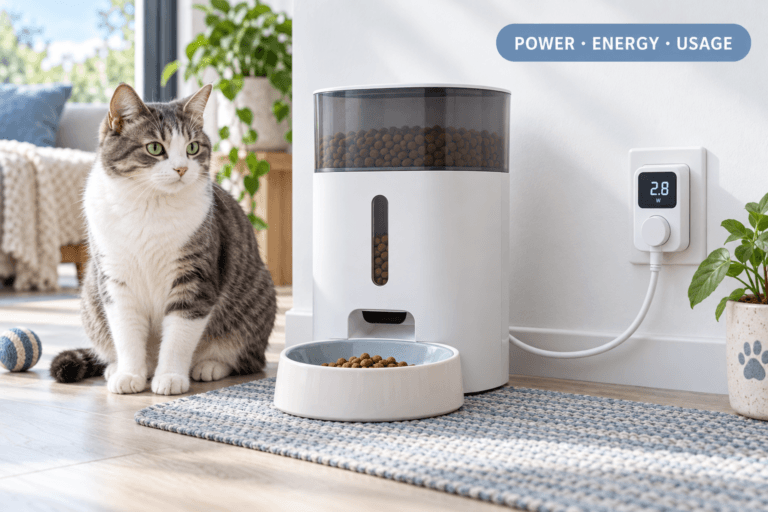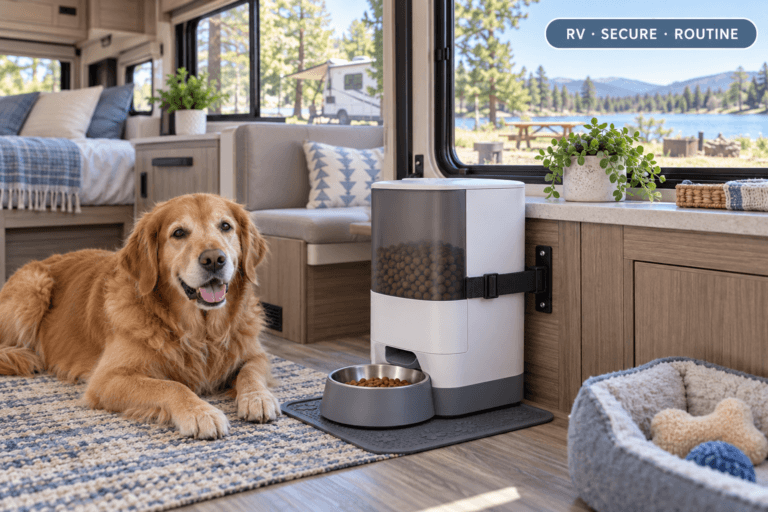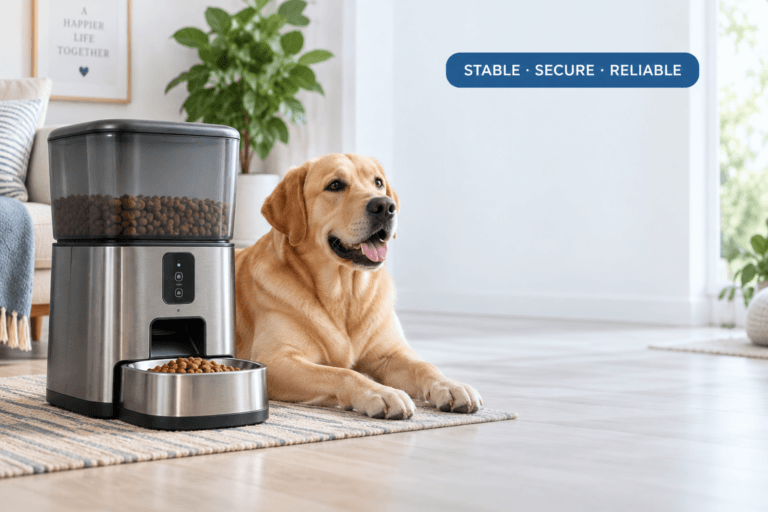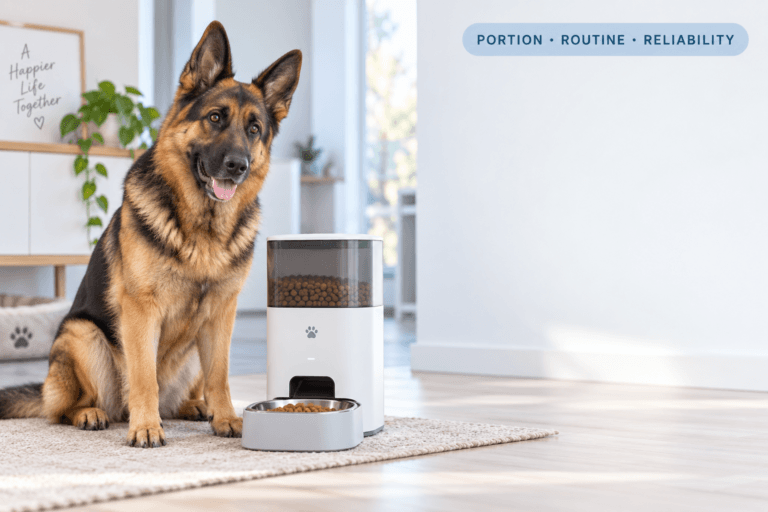

An automatic water dispenser for pets is not just a bigger bowl. It is a hydration-control tool for homes where water gets stale, bowls run low, pets avoid drinking, or owners forget how long the water has been sitting out. Clean water matters every day, but the system around the bowl often fails before the pet refuses to drink.
For homes already using scheduled dry-food feeding, a 2L smart pet feeder for regular feeding can support the food side of the routine. The water side needs its own system: clean access, stable placement, regular washing, and enough capacity for the pet’s real drinking pattern.
Direct Answer: Automatic Water Dispenser for Pets
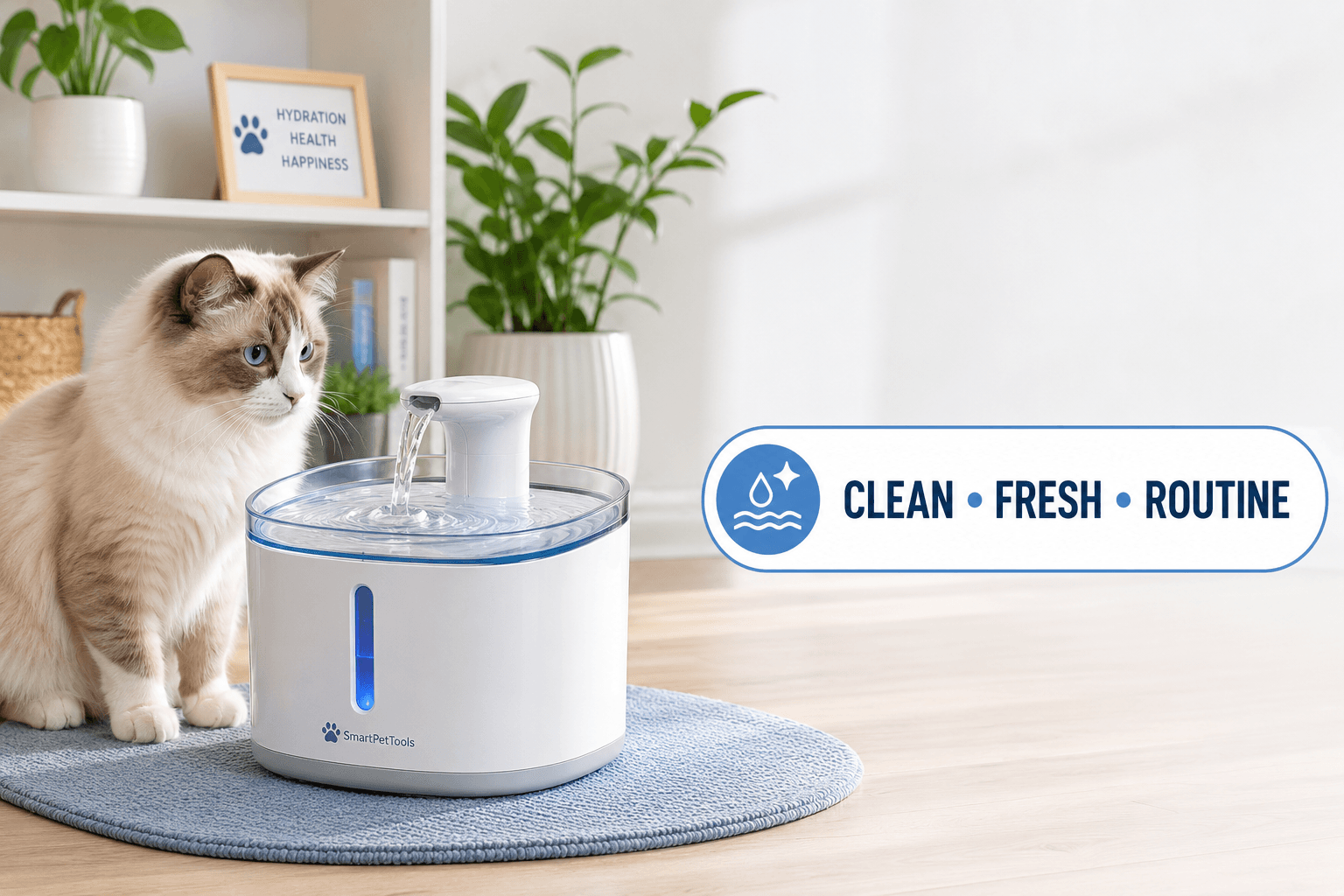
The best automatic water dispenser for pets is a clean, stable, easy-to-wash water station that keeps fresh water available without letting slime, hair, food crumbs, filter neglect, or poor placement ruin the routine. The dispenser should make drinking easier, not hide dirty water inside a larger container.
A strong automatic water dispenser for pets solves three problems at once: access, freshness, and owner consistency. Access means the pet can drink comfortably. Freshness means the water does not sit in a dirty bowl. Consistency means the owner refills, cleans, and checks the dispenser on a schedule instead of waiting until the bowl looks bad.
Why Pets Need a Better Water System
Pets drink according to habit, comfort, food type, weather, activity, and water placement. A cat on dry food often needs a stronger drinking routine than a cat eating moisture-rich wet food. A dog after outdoor play needs water access that is visible and clean. When water stations are inconvenient, noisy, dirty, or placed beside food mess, pets can drink less reliably.
The AVMA pet nutrition guidance treats feeding and nutrition as part of overall care, and hydration belongs inside that same routine. Food planning is incomplete when the water station is ignored.
An automatic water dispenser for pets helps because it creates a dedicated hydration point. The pet does not have to depend on a half-empty bowl, a forgotten refill, or a bowl placed in a stressful location. The owner gains a routine object to inspect and maintain.
What To Do First
Start with placement before features. Put the water dispenser in a quiet, visible, easy-clean area where the pet naturally passes. Avoid litter boxes, trash cans, bathroom floors, laundry drains, direct heat, busy doorways, and places where food crumbs fall into the water.
A practical automatic water dispenser for pets needs five controls: clean water, stable placement, washable parts, correct capacity, and a fixed cleaning schedule. Capacity matters, but it is not the first priority. A huge reservoir with poor cleaning habits is worse than a smaller station that stays fresh.
Use the structure in pet hydration tips before deciding where the dispenser should live. Then apply the location logic from smart feeder placement so the water station stays dry, level, reachable, and easy to inspect.
The Hydration Loop Behind This Problem
The hydration loop starts when the bowl gets dirty or empty. The pet drinks less or searches for another source. The owner notices late and refills the same bowl without washing it. The water looks full again, but the residue remains. Over time, the pet becomes less interested in that station.
The opposite loop is also common. The owner buys a large dispenser, fills it heavily, and assumes the problem is solved. Hair, food particles, saliva film, mineral marks, and filter buildup collect inside the system. The larger device hides the problem until cleaning becomes unpleasant.
A good automatic water dispenser for pets breaks both loops by making water easier to offer and easier to maintain. The owner does not judge the station by water level alone. The owner checks cleanliness, flow, smell, filter condition, bowl surface, and pet drinking behavior.
The Emotional Trigger Owners Miss
The emotional trigger is reassurance. A full water tank makes owners feel safe. The pet has water, so the job feels complete. That feeling can be misleading because water availability and water quality are not the same thing.
A dispenser can be full and still dirty. A fountain can run and still have residue in the pump. A filtered system can look clean while the filter is overdue. The owner should not use fullness as the only measure of safety.
For an automatic water dispenser for pets, the better rule is simple: full, clean, reachable, and maintained. All four conditions must be true. If one fails, the hydration station is weak.
The Addiction Mechanism
The addiction mechanism is owner neglect disguised as automation. Once a device handles water delivery, the owner can start checking less often. That creates a risky habit: the machine becomes trusted even when the bowl, pump, filter, or reservoir needs attention.
Automation should reduce missed refills, not reduce observation. Pets still shed hair. Food dust still travels. Dogs still drool. Cats still drop litter dust or paw debris near stations. The dispenser still needs washing.
A controlled automatic water dispenser for pets routine uses automation for access and human inspection for hygiene. The machine supplies water. The owner protects the water quality.
Fountain vs Gravity Water Dispenser
A pet water fountain uses circulation to keep water moving. This can attract some cats and dogs that prefer moving water. It also requires pump cleaning and filter maintenance. A gravity water dispenser uses a reservoir to refill the bowl as the pet drinks. It has fewer electronic parts but can still collect residue in the bowl and tank.
The best choice depends on the household problem. If the pet ignores still water, a fountain-style automatic water dispenser for pets can improve interest. If the main problem is missed refills, a gravity-style dispenser can work when it is washed regularly and placed correctly.
For owners already managing timed feeding, the scientific pet feeding schedule gives a useful principle: routine beats guesswork. Water should follow the same logic. Check the dispenser at fixed times instead of waiting for visible problems.
Cleaning Rules That Matter
Cleaning decides whether an automatic water dispenser for pets stays useful. Wash the bowl area often. Rinse the reservoir. Inspect corners, seams, pump parts, filters, and water outlets. Remove slime before it becomes odor. Replace filters according to the product schedule instead of stretching them until flow drops.
The FDA safe handling guidance for pet food and treats emphasizes clean handling and washing around pet food. The same hygiene mindset applies to water stations because bowls and dispensers are daily contact points for the pet’s mouth.
Do not place the dispenser where kibble dust falls into the water. Food particles speed up residue. If the food and water stations sit close together, separate them enough so eating mess does not contaminate drinking water. A clean automatic water dispenser for pets should not become the catch basin for the feeding area.
Placement Rules for Cats
Cats often dislike water placed too close to the litter box, loud appliances, crowded walkways, or busy feeding areas. A cat water station should be calm, visible, and easy to approach. Some cats drink more reliably when water is placed away from food.
For a cat, an automatic water dispenser for pets should have a low, comfortable drinking surface and quiet operation. Loud pump vibration or splashing can make a nervous cat avoid the station. If the cat hesitates, solve noise, placement, and cleanliness before assuming the cat simply refuses water.
Cat owners using dry-food routines can compare food-side solutions in the cat feeders collection. Food and water should work as a paired routine, but they do not need to sit in the same tight corner.
Placement Rules for Dogs
Dogs need stable access and enough bowl area for comfortable drinking. A small, light dispenser can slide, spill, or tip if a dog drinks aggressively. Large dogs need a sturdier station with enough capacity and a location that does not block walkways.
For a dog, an automatic water dispenser for pets should be placed on a washable surface with room for drips. Keep it away from shoes, cleaning chemicals, trash bins, garage dust, and direct sun. If the dog drinks heavily after walks, the station should be easy to reach without creating a wet floor hazard.
Dog owners can start with the dog feeders collection when food bowl size, eating speed, and feeding station stability also need control.
Outdoor Water Dispenser Problems
Outdoor water stations need stricter control. Heat, algae, insects, dust, leaves, rainwater, and wildlife can affect water faster than indoor conditions. An outdoor automatic water dispenser for pets should sit in shade, on a raised stable surface, and away from soil, trash, and standing water.
Do not assume outdoor water is safe because the container is large. Large outdoor reservoirs can become dirty quickly when the owner checks them less often. The more exposed the station is, the more often it needs inspection.
Use the outdoor station logic from outdoor automatic pet feeder. Food and water have different functions, but the outdoor risks are similar: weather, pests, contamination, placement, and false confidence.
Common Failure Pattern
The most common failure pattern is buying an automatic water dispenser for pets and cleaning it like a normal bowl. The owner rinses only the visible drinking surface but ignores the reservoir, pump, filter, and small parts. The water keeps circulating through residue.
The second failure is choosing capacity over hygiene. A larger tank means fewer refills, but it also means water can sit longer. If the pet is small or drinks lightly, a huge reservoir is not automatically better. Match capacity to the pet and the cleaning schedule.
The third failure is placing the water station too close to dry food. Kibble dust and crumbs fall into the water, creating film and odor. For cleaner station design, use clean smart pet feeder as the food-side hygiene reference.
Real-World Impact
The real-world impact of a good automatic water dispenser for pets is more reliable drinking access and less owner guesswork. The pet sees water in the same place every day. The owner has a fixed station to clean, refill, and monitor.
The impact of a poor dispenser is the opposite: stale water, slime, hair buildup, pump noise, spills, avoidance, and false confidence. The owner thinks hydration is handled because the device is full, while the pet may be drinking less or seeking water elsewhere.
Hydration also affects feeding routines. Dry-food pets need clean water access near their daily rhythm. For owners using smart feeding, the smart feeders collection supports the food schedule, while the water dispenser protects the drinking station.
Can This Be Fixed?
Yes, automatic water dispenser problems can be fixed with a seven-day reset. Move the station to a better location. Wash every part. Replace or rinse the filter according to the product directions. Check noise, flow, water level, smell, and pet interest. Do not keep moving the station every day.
During the reset, record how often the pet visits the dispenser, whether water level drops normally, whether the bowl gets dirty, whether food crumbs enter the water, and whether the pet drinks from other places. The goal is not to force the pet to drink. The goal is to make the station clean, predictable, and easy to use.
For homes with power interruptions or app-based pet devices, pet feeder with battery backup gives the correct reliability mindset. Water devices and food devices both need backup thinking when the routine depends on power.
Who Should Walk Away and Who Should Use This
Walk away from an automatic water dispenser for pets if the household will not clean it properly. A larger or smarter water device does not fix poor hygiene. Also walk away from loud fountains for noise-sensitive cats, unstable dispensers for large dogs, and outdoor containers that sit in heat or dirt.
Use an automatic water dispenser for pets if the pet often empties the bowl, avoids stale water, drinks from sinks, needs cleaner access during long workdays, or lives in a home where multiple people forget refills. It is also useful when dry-food feeding makes water access more important.
For households that want both food and water routines under better control, start with the SmartPetTools shop and build the station around routine, hygiene, and placement instead of buying devices separately with no plan.
Mini FAQ
What is the best automatic water dispenser for pets?
The best automatic water dispenser for pets is stable, easy to clean, correctly sized, quiet enough for the pet, and placed in a calm area. It should keep water accessible without hiding dirt, hair, slime, or filter neglect.
Is a pet water fountain better than a water bowl?
A pet water fountain is better when the pet prefers moving water and the owner keeps the pump and filter clean. A normal bowl is better when the household can refill and wash it reliably. Cleanliness matters more than style.
How often should I clean an automatic water dispenser?
Clean the drinking area often and inspect the reservoir, pump, filter, and outlet on a fixed schedule. Hair, saliva, food crumbs, and mineral marks build up quickly. Do not judge cleanliness by water level only.
Where should I place an automatic water dispenser for pets?
Place the dispenser in a quiet, visible, easy-clean area away from litter boxes, trash cans, direct heat, food crumbs, and busy doorways. The pet should be able to drink without feeling trapped or crowded.
Can cats use an automatic water dispenser?
Cats can use an automatic water dispenser when it is quiet, clean, and placed away from stressful areas. Many cats prefer a calm water station with low splash, steady access, and no litter box nearby.
Can dogs use an automatic water dispenser?
Dogs can use an automatic water dispenser when it is stable, large enough, and placed on a washable surface. Large dogs need a sturdier station that resists sliding, tipping, and messy floor buildup.
A smart automatic pet feeder with app control can handle scheduled meals, but water still needs its own clean station. The final rule is direct: an automatic water dispenser for pets works when it keeps water fresh, visible, reachable, and maintained instead of simply making the bowl bigger.