
A silicone dog slow feeder can help fast-eating dogs slow down, work through food more calmly, and turn mealtime into a controlled routine instead of a speed contest. But silicone is not automatically better than plastic, stainless steel, or ceramic. The real question is whether the feeder is safe to chew, easy to clean, stable on the floor, and matched to the dog’s mouth shape, food type, and feeding behavior.
For owners comparing dog feeding tools, dog feeders should be chosen by eating pattern first, not by appearance. A slow feeder is useful only when it changes the dog’s food access without creating frustration, chewing risk, or cleaning problems.
Direct Answer: silicone dog slow feeder
A silicone dog slow feeder is best for dogs that eat too quickly, need a softer feeding surface, or benefit from a flexible non-slip design. It is especially useful for smaller dogs, puppies, flat-faced dogs, and dogs that use wet food or mixed food. It is not the best choice for strong chewers, destructive dogs, or owners who will not clean the grooves after every use.
Why This Happens
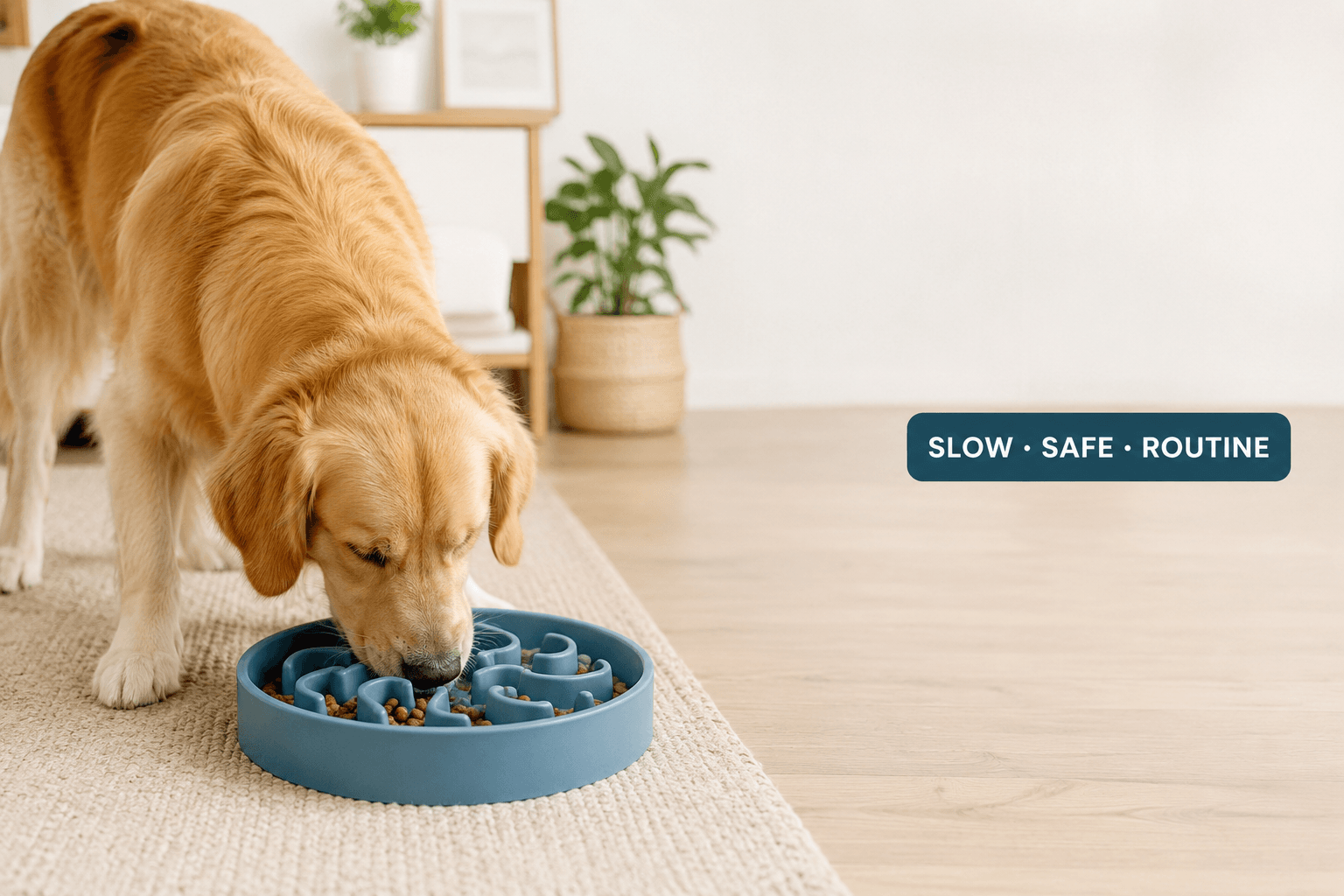
Fast eating is not only a bowl problem. It is a feeding-access problem. When food sits in an open bowl, the dog can gulp large amounts quickly with little resistance. A silicone dog slow feeder changes the food path by forcing the dog to work around ridges, grooves, pockets, or raised patterns.
This matters because many dogs learn to treat food as a race. Some compete with other pets. Some rush because meals have been irregular. Some eat fast because the owner responds to pressure behavior with immediate food. A slow feeder does not solve every cause, but it can slow the physical eating process enough to make the routine easier to control.
The same principle appears in larger slow-feeding decisions. SmartPetTools explains how size and mouth shape affect bowl choice in slow feeder dog bowl for large breeds and slow feeder for French bulldogs. The feeder has to fit the dog, not just the owner’s preference.
What To Do
Use seven checks before buying a silicone dog slow feeder. First, check whether your dog chews bowls or mats. Second, confirm the silicone feels thick and stable rather than thin and flimsy. Third, match the groove depth to the dog’s muzzle shape. Fourth, test whether the feeder holds the dog’s normal portion. Fifth, check whether it works with dry food, wet food, or mixed feeding. Sixth, confirm it is easy to wash fully. Seventh, place it in a calm feeding zone away from competition.
For routine control, connect the slow feeder to a fixed scientific pet feeding schedule. A slow feeder should not become a random snack mat. It should support measured meals at predictable times.
If the dog eats too fast because the owner feeds inconsistently, start with timing. If the dog gulps because the portion is too large, start with portion control. If the dog races another pet, start with separation. A silicone dog slow feeder works best when the surrounding feeding system is already clear.
Silicone vs Plastic vs Stainless Steel
Silicone is softer and more flexible than hard plastic or stainless steel. That can help dogs that dislike hard bowl contact or need a gentler surface. It can also help with wet food because many silicone designs spread food across textured patterns instead of holding it in one deep center.
Plastic slow feeders are often more rigid and may offer deeper obstacle patterns, but they can scratch over time. Stainless steel is durable and easy to sanitize, but it is usually less flexible and may not offer the same mat-style feeding surface. A silicone dog slow feeder sits between these options: softer than hard bowls, more flexible for mixed food, but less suitable for heavy chewing.
The Feeding Loop Behind This Problem
The feeding loop starts when the dog expects food, the owner prepares the meal, food appears, and the dog eats quickly. If the dog finishes fast and immediately asks for more, the owner may assume the dog is still hungry. Extra food then reinforces the same pressure cycle.
A silicone dog slow feeder interrupts the loop at the eating-speed stage. The dog still receives the meal, but the food is harder to access all at once. This gives the owner a clearer view of whether the problem is real hunger, fast access, boredom, competition, or learned pressure behavior.
For dogs that demand more food after eating, slow feeding should be paired with a measured daily intake plan. SmartPetTools covers the broader routine issue in pet nutrition tips and pet obesity prevention.
The Emotional Trigger Owners Miss
The emotional trigger is speed anxiety. Owners see a dog finish food in seconds and feel that something is wrong. The owner may add more food, hand-feed, or give treats immediately after the meal. That reaction feels caring, but it may teach the dog that fast eating and post-meal pressure lead to more food.
A slow feeder gives the owner a structured alternative. Instead of increasing the meal, the owner changes the access pattern. The dog works through the same measured portion more slowly. That is one of the strongest practical benefits of a silicone dog slow feeder: it reduces the urge to solve fast eating with extra calories.
The Addiction Mechanism
Food reward becomes powerful because it is immediate. When a dog begs, barks, paws, or rushes the bowl and then receives food, the behavior becomes useful. When extra food appears unpredictably, the behavior can become even more persistent.
A slow feeder reduces only one part of that mechanism. It slows access to the food. It does not automatically stop owners from adding snacks, feeding from the table, or responding to pressure behavior. If the owner keeps rewarding begging after meals, the silicone dog slow feeder becomes a slower bowl, not a behavior-control system.
For stronger feeding discipline, use external nutrition principles as a boundary. AVMA’s pet nutrition guidance and AAFCO’s pet food label guidance both support the larger point: feeding should be measured and matched to the animal’s needs, not adjusted emotionally at every meal.
Common Failure Pattern
A common failure pattern starts with a dog that eats too fast. The owner buys a soft slow feeder, fills it with a large portion, and watches the dog become frustrated. The dog paws, flips, chews, or drags the feeder. The owner then gives the food in a normal bowl again because the slow feeder “did not work.”
The correction is gradual. Start with part of the meal in the slow feeder and part in the normal bowl. Use a simple groove pattern before moving to a harder design. Keep the feeder on a non-slip surface. Watch whether the dog is calmly working for food or trying to destroy the tool. A silicone dog slow feeder should slow eating, not create a chewing project.
Real-World Impact
The real-world impact of the right slow feeder is calmer meals, slower intake, less owner panic, and better portion discipline. It can also help dogs that benefit from food spreading, licking, or working through textured areas rather than swallowing from a deep open bowl.
The wrong feeder creates different problems: chewing damage, trapped food, odor, frustration, and inconsistent use. Silicone grooves must be cleaned carefully because soft textured surfaces can hold food residue. Owners who feed wet food should be especially strict about washing and drying after each meal.
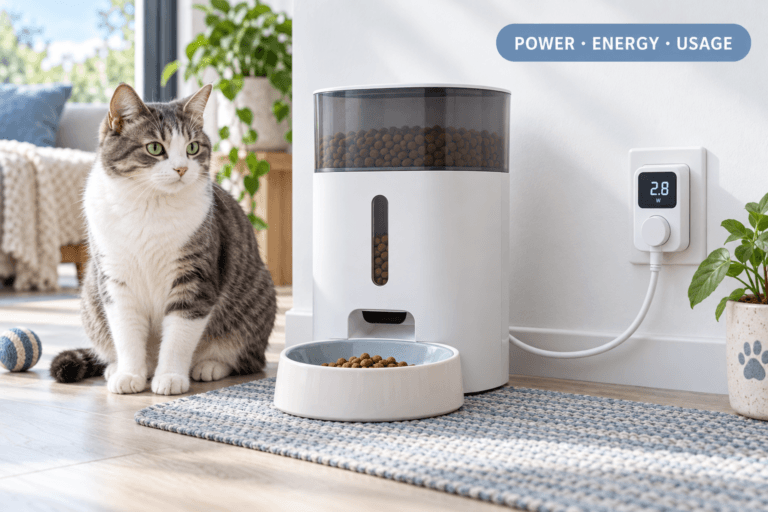
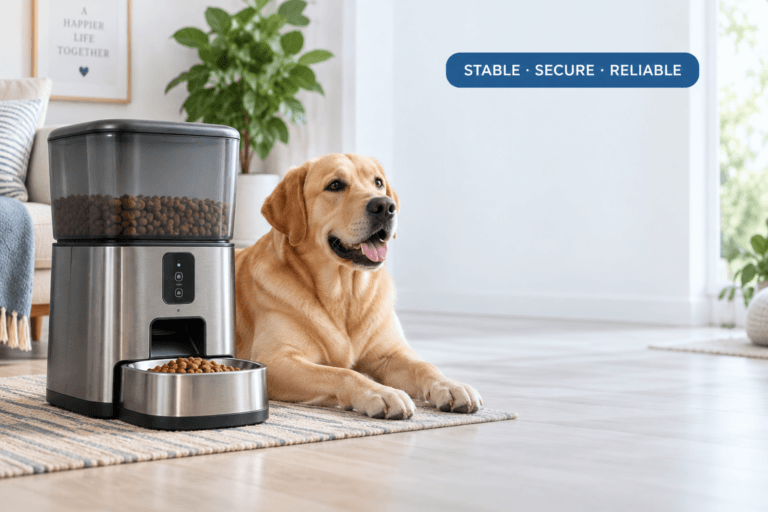
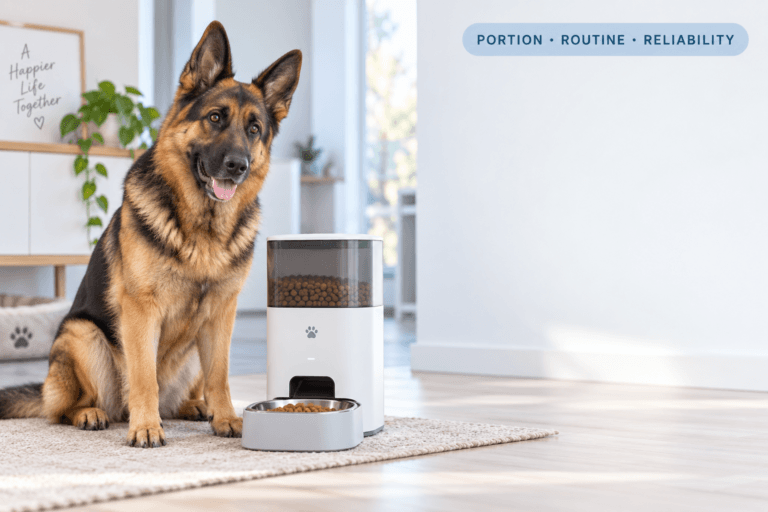
For owners using slow feeding alongside automated routines, automatic dog feeder for large dogs explains how portion timing and capacity matter. Slow feeding and automatic feeding solve different problems: one controls eating speed, the other controls meal timing.
Can This Be Fixed?
Yes, fast eating can often be improved when access speed, portion size, and household feeding behavior are controlled together. A silicone dog slow feeder can help by slowing the physical meal, but it must be paired with measured portions, calm placement, and consistent rules.
If the dog chews the feeder, switch to a more durable material or supervise every meal. If the dog becomes frustrated, use a simpler pattern. If the dog still begs after eating, do not assume the feeder failed. Check total daily calories, meal timing, exercise, boredom, and reinforcement history.
Who Should Walk Away and Who Should Use This
Walk away from a silicone slow feeder if your dog is a heavy chewer, destroys soft materials, swallows torn pieces, or needs a highly durable bowl. Silicone is not the safest choice for dogs that treat feeding tools as chew toys.
Use a silicone dog slow feeder if your dog eats too fast, handles soft feeding surfaces well, eats wet or mixed food, or needs a gentler texture than hard plastic. It is also useful for puppies, small dogs, and flat-faced dogs when the groove pattern is shallow enough for comfortable access.
For broader feeding equipment, compare options through dog feeders and match the product to the behavior you are trying to control: speed, portion timing, food stealing, travel feeding, or weight management.
Mini FAQ
Is a silicone dog slow feeder good for fast eaters?
Yes, a silicone dog slow feeder can help fast eaters by spreading food through grooves and slowing access. It works best when the dog does not chew the material and when the meal portion is measured before serving.
Is silicone better than plastic for a dog slow feeder?
Silicone is better when you need a softer, more flexible feeding surface. Plastic may be better for deeper obstacle patterns, while stainless steel may be better for durability. Choose by dog behavior, not material name alone.
Can a silicone slow feeder be used with wet food?
Yes, many silicone slow feeders work well with wet food or mixed food. The soft textured surface can spread food and slow licking. Clean the grooves thoroughly after every meal to prevent residue and odor.
Is a silicone dog slow feeder safe for puppies?
It can be safe for puppies when supervised and matched to their mouth size. Choose a shallow pattern, avoid thin chewable designs, and remove the feeder if the puppy starts biting or tearing it.
Can a slow feeder stop bloating?
A slow feeder can reduce eating speed, but it should not be treated as a medical guarantee. Dogs with bloating risk, vomiting, or repeated digestive distress need veterinary guidance. Use slow feeding as one part of a broader feeding plan.
What is the biggest mistake with a silicone dog slow feeder?
The biggest mistake is choosing a soft feeder for a dog that chews feeding tools. A slow feeder should slow eating, not become something the dog can tear apart. Match material strength, groove depth, and supervision level to the dog’s behavior.
The clear conclusion is this: a silicone dog slow feeder is useful when the dog needs slower access, a softer surface, and a cleaner feeding routine. It is not useful when chewing risk, poor cleaning habits, or emotional overfeeding remain uncontrolled. The feeder should slow the meal, protect the portion, and support a daily routine that the owner can actually maintain.