
A measuring cup for pet food looks simple, but it often creates the exact problem owners are trying to prevent: inconsistent portions. In most home-feeding cases, the issue is not effort. The issue is that volume is a weak way to control calories when kibble size, density, and scoop habits keep changing.
If your pet’s weight keeps drifting up or down even though you think you are feeding “the same amount,” the measuring method may be the real leak. For owners who want more consistent portions and fewer feeding mistakes, smart feeders and structured schedules usually work better than repeated visual guessing.
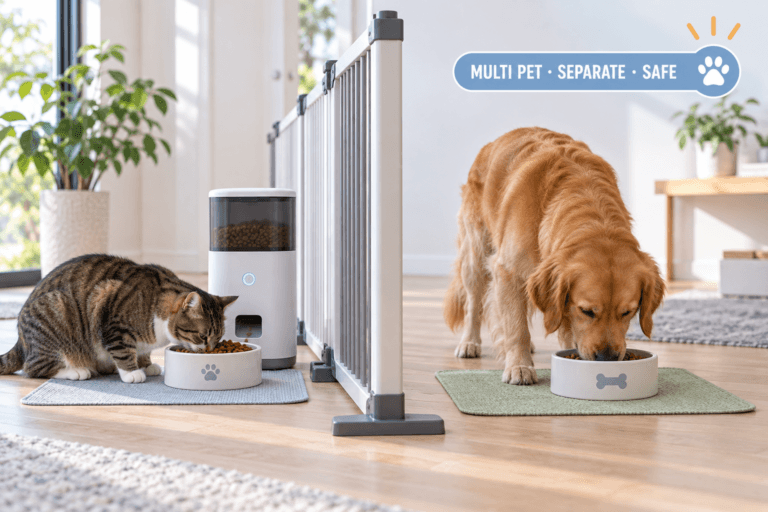
A practical upgrade is a smart automatic pet feeder with app control when the goal is tighter routine control, measured delivery, and fewer accidental extra scoops.
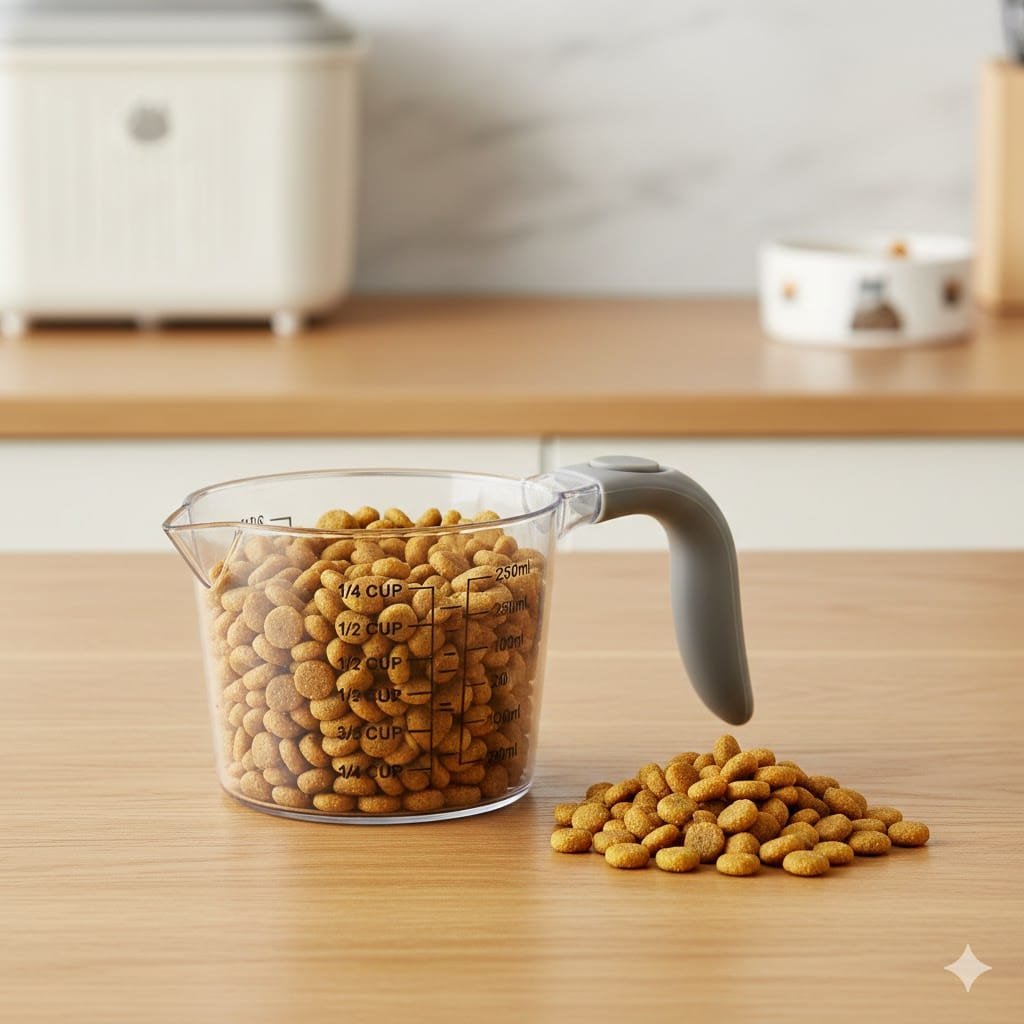
Direct Answer: measuring cup for pet food
A measuring cup for pet food is often inaccurate because it measures volume, not food weight. That means the same cup can deliver different calorie amounts depending on kibble size, density, broken pieces, and how the owner fills the scoop. If portion control matters, grams work better than cups.
Why This Happens
The weakness of a measuring cup for pet food starts with variation. One owner uses a level scoop, another uses a rounded scoop, and the same owner may not fill the cup the same way twice in one week. Once that small inconsistency repeats across two or three meals a day, the calorie drift becomes real.
Kibble also does not behave like flour or water. Different brands pack differently. Larger airy kibble may fill a cup fast with fewer calories, while smaller dense kibble can deliver far more energy in the same volume. By the time you reach the bottom of the bag, broken fragments often pack even tighter and push the portion higher.
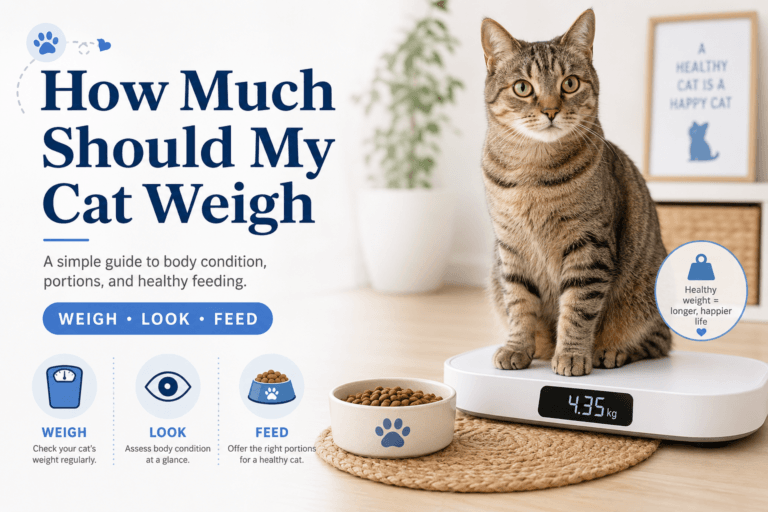
This is why owners dealing with weight drift should connect feeder decisions with how to keep your pet at a healthy weight, prevent pet obesity, and pet nutrition tips. The measuring method is part of the nutrition system, not a separate detail.
What To Do
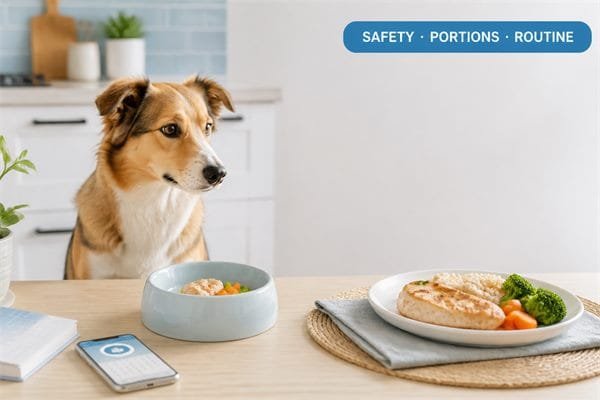
Start by treating the current cup routine as an estimate, not a precision tool. Then check the pet food label, identify the target daily intake, and convert that amount into grams whenever possible. If you are still feeding by cups alone, you are relying on a moving target.
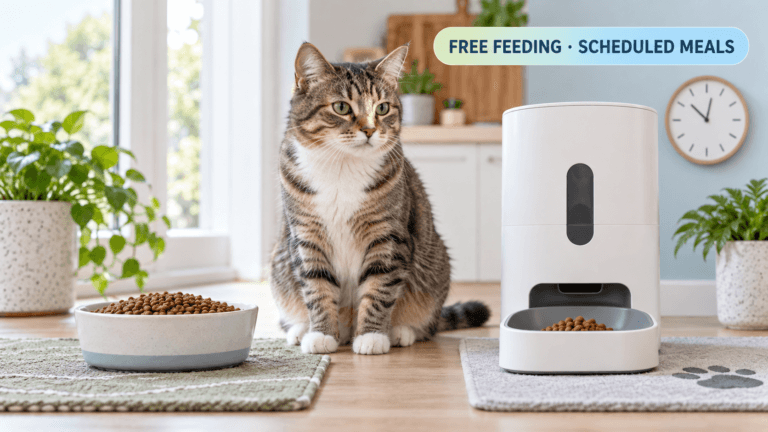
Next, decide whether the real weakness is human inconsistency, schedule inconsistency, or both. If the issue is portion accuracy, use weight-based measuring. If the issue is missed or delayed meals, add automation. If the issue is constant hunger behavior, split the daily amount into smaller scheduled meals rather than adding extra food to one large bowl.
A measuring cup for pet food becomes less risky when it is used only as a temporary transfer tool and not as the final measurement system. The stronger long-term setup is a routine tied to exact amounts and a clear scientific pet feeding schedule.
The Feeding Loop Behind This Problem
The feeding loop is easy to miss. The owner scoops by eye, the portion changes slightly, the pet finishes quickly, and the owner interprets that response as proof the portion was too small. Then a little extra food appears. Over time, inaccurate measurement and emotional correction begin reinforcing each other.
When a measuring cup for pet food creates daily variation, the pet’s routine stops being predictable. That unpredictability can show up as begging, meal pressure, or constant food interest because the system itself is loose.
The Emotional Trigger Owners Miss
The emotional trigger is the empty bowl. Owners often assume that a fast finish means the pet needs more food. In reality, many pets eat quickly because the food is available, not because the measured amount was too small.
This is where cup feeding becomes risky. A pet that looks hungry after an inconsistent scoop often gets rewarded with another inconsistent scoop. The owner feels responsive, but the routine becomes less accurate with every correction.
The Addiction Mechanism
Food-seeking behavior gets stronger when extra food appears after visible pressure. If the pet stares, paws, vocalizes, or follows the owner and sometimes gets a top-up scoop, the behavior becomes worth repeating. That is how “just a little more” turns into a stable overeating pattern.
A measuring cup for pet food makes that cycle easier because it hides calorie drift behind a familiar habit. A fixed schedule and fixed quantity reduce the room for negotiation. For owners who want that boundary built into the routine, a smart pet feeder for regular feeding is usually more useful than continuing to rely on visual estimates.
For nutrition standards and portion context, stronger references include AAFCO consumer pet food guidance and healthy pet weight guidance.
Common Failure Pattern
A common failure pattern is buying a labeled pet-food scoop and assuming the problem is solved. The owner uses the same cup every day, but the kibble brand changes, the scoop becomes rounded, the household adds treats, and the pet slowly gains weight. The tool stayed the same, but the calorie outcome did not.
The correction is direct. Stop treating volume as exact. Measure the daily amount more precisely. Split meals by plan instead of by guess. If the home needs more consistency, automate the schedule rather than hoping the scoop routine becomes accurate on its own.
Real-World Impact
The real-world impact of a weak measuring system is not dramatic in one day. It is gradual. A little extra food each meal can become visible weight gain across months. A little too little can leave a growing pet underfed, under-conditioned, or constantly food-focused.
This is why a measuring cup for pet food matters more than it appears. It affects calorie control, feeding consistency, and owner decision-making at the same time. For homes already struggling with hunger behavior, related reading like why is my cat always hungry even after eating and feeding schedule for overweight indoor cats helps connect portion errors with behavior patterns.
Can This Be Fixed?
Yes, portion errors caused by a measuring cup for pet food can usually be fixed by switching from volume to weight and tightening the meal routine. In most home-feeding cases, the correction does not require a dramatic diet change. It requires a more accurate delivery system.
If the pet is already overweight, losing condition, or showing unstable appetite patterns, the feeding plan needs to become more structured immediately. The solution is not a more careful scoop. The solution is a more reliable system.
Who Should Walk Away and Who Should Use This
Walk away from cup-only feeding if your pet needs strict weight control, has a history of overeating, or lives in a home where multiple people feed without checking totals. Walk away from “eyeballing” portions if you are already unsure whether the current amount is correct.
Use a cup only as a rough transfer tool if needed. Use grams when the goal is portion accuracy. Use an automatic feeder if daily schedule control is the real weakness. Use a smart feeder if you need both measured delivery and routine visibility during work hours or busy weeks.
Mini FAQ
Is a measuring cup for pet food accurate enough for daily feeding?
Usually not. A measuring cup for pet food tracks volume rather than exact weight, so kibble density and scoop habits can change the calorie total even when the cup looks the same.
Why does the same cup give different portions with different kibble brands?
Because kibble size and density change how food packs into the cup. Larger pieces trap more air, while smaller dense pieces deliver more calories in the same visible volume.
What works better than a measuring cup for pet food?
Weight-based feeding works better. Measuring in grams and following a fixed routine gives more reliable portion control than relying on visual scoop size.
Can a smart feeder replace manual scoop feeding?
Yes, in many homes it is the cleaner system. A smart feeder reduces missed meals, limits guesswork, and supports a repeatable feeding schedule when owners are busy or inconsistent.
Does inaccurate scoop feeding really cause weight gain?
Yes, small daily errors can add up. Repeated extra calories from overfilled scoops often produce gradual weight gain that owners do not notice until the pattern is already established.
Should I stop using a measuring cup for pet food completely?
You should stop treating it as a precision tool. If you still use one, use it only as a temporary handling tool and confirm the real feeding amount by weight or controlled feeder settings.
The clear conclusion is this: a measuring cup for pet food is better than random feeding, but it is still a weak control system when portion accuracy matters. If the goal is stable weight, fewer feeding mistakes, and less guesswork, switch from cups to exact amounts and build the routine around repeatable delivery.