
How to Tell if Your Dog Has Arthritis: Symptoms and Prevention

Dogs can’t speak, but they express pain through their actions. Statistics show that 20% of adult dogs suffer from arthritis, with the rate even reaching as high as 45% in large breeds. Behind these numbers lie countless furry companions silently enduring pain. For any concerned owner wondering how to tell if your dog has arthritis, understanding these signs is the first step.

Arthritis is a chronic, progressive disease caused by factors such as trauma, congenital joint abnormalities, joint deformities, or cartilage damage or destruction. It’s not exclusive to senior dogs—puppies of any age can be affected.

What’s even more concerning is that the damage caused by arthritis is irreversible. This means that once a dog develops the condition, it cannot be completely cured. For this reason, early detection and prevention are particularly important. This is why knowing how to know if your dog has arthritis is a crucial part of responsible pet ownership.

01 Common symptoms of arthritis

Dogs with arthritis exhibit a variety of symptoms, and attentive owners can detect abnormalities through behavioral changes. Stiffness in the limbs after waking up is a common signal, and dogs may need an hour or even longer to regain flexibility. So, how can you tell if your dog has arthritis? Observing their mobility and comfort level is key.

Reduced mobility is also very noticeable. Dogs may show hesitation when jumping, running, or climbing stairs. A dog that once enjoyed the sofa may suddenly refuse to jump onto furniture, as joint pain prevents it from supporting its body weight.

Local swelling and warmth in the joints are physical symptoms. You may notice that the joints in a dog’s paws are swollen and puffy, and touching them may trigger a painful reaction. Some dogs may lick the affected joints constantly, even to the point of local hair loss due to excessive licking.

Changes in temperament should not be ignored. Pain can make dogs irritable, avoid being touched, and even become aggressive. They may become lethargic, lose appetite, and scream or whine when disturbed while sleeping. Understanding what does arthritis look like in dogs involves recognizing these behavioral shifts.

02 Differences in Expression Across Different Ages

Puppies can also develop arthritis. Some puppies develop arthritis at an early age due to excessive exercise. Certain breeds are particularly prone, such as short-legged Corgis and Dachshunds, or small breeds with genetic issues like Poodles and Chihuahuas.

Excessive exercise during puppyhood can even accelerate the closure of growth plates, leading to a smaller stature compared to other dogs of the same breed. Arthritis in puppies is often rheumatoid arthritis.

In adult dogs, approximately 20% of those over 1 year old suffer from varying degrees of osteoarthritis. Large breeds and working dogs are particularly at high risk, such as Golden Retrievers, Labrador Retrievers, and German Shepherds.

Older dogs are a high-risk group for arthritis. About 95% of arthritis cases occur in dogs over 5 years old. As physical functions decline, the secretion of lubricating fluid in cartilage and joint capsules decreases, making them more susceptible to arthritis.

After developing arthritis, older dogs become slower in movement, and it becomes more difficult for them to rise after resting. Their muscles may also atrophy.

03 Diagnosis and Veterinary Consultation

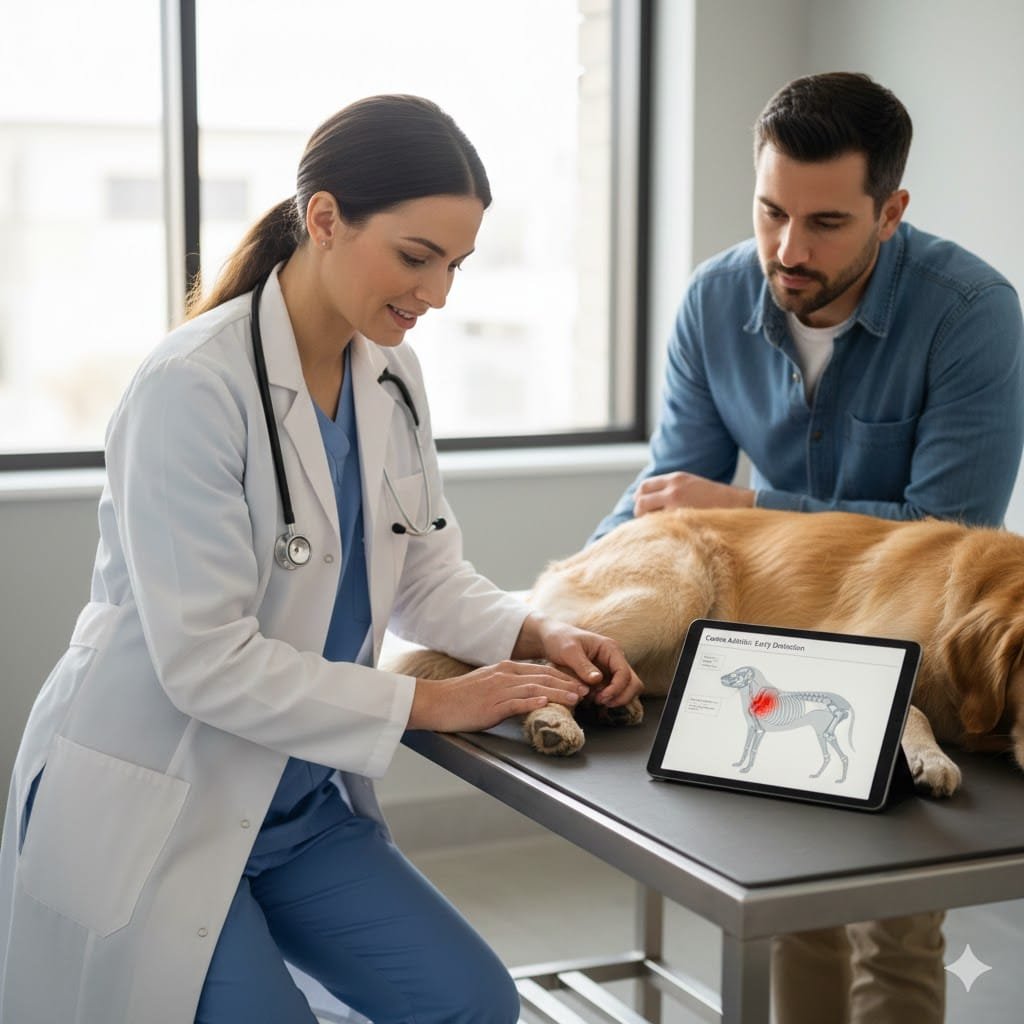
If you are trying to figure out how do you know if a dog has arthritis for sure, take it to a pet hospital immediately. The veterinarian will diagnose it through various methods. A physical examination combined with imaging technology is a common way to determine the severity of the condition.

Joint fluid analysis is also important. When arthritis is present, the fluid becomes thin and cloudy, with an increased number of cells. The veterinarian may also perform a rheumatoid factor test, with an antibody titer of 1:16 or higher considered positive.

X-ray examination can reveal typical arthritis features: periarticular osteopenia, subchondral clarity and swelling; in later stages, it may show joint space narrowing, marginal erosion, incomplete dislocation, and complete dislocation.

The veterinarian will develop a personalized treatment plan based on the diagnostic results. The goals of treatment include relieving pain, controlling inflammation, preventing further joint damage, and improving joint function.

04 Dietary Management Strategies

Controlling weight is a key aspect of managing arthritis. Excess weight can place a significant burden on joints. For dogs already suffering from arthritis, it is especially important to strictly control food intake and weight to help alleviate joint pain.

Calcium supplementation is important, but balance must be maintained. Excessive intake of calcium and protein may have adverse effects on joint health. This is particularly true when muscles do not grow at the same rate as bones, which can compress bones and joints.

Beneficial foods for joints can be chosen. Examples include calcium-rich foods such as dried shrimp, kelp, beef, and egg yolks. Other good options include trachea, chicken feet, and green mussels, which are also beneficial for joints.

Professional nutritional supplements can provide targeted support. Mixing calcium powder for dogs or joint supplements into dog food helps to supplement the necessary nutrients. Glucosamine and chondroitin health products can increase joint fluid and improve exercise pain.

Smart pet feeders make pets more scientific and provide your dog with a healthy and safe dining experience.

05 Exercise and Movement Management

A reasonable exercise plan is crucial for joint health. Avoid letting dogs perform training like standing or upright walking, as these movements can easily cause joint problems. Also avoid overexertion and frequent going up and down stairs.

The choice of exercise type is very important. Swimming is one of the best options; it is a low-impact exercise that helps to recover joint and muscle function. Running on grass is more comfortable than on hard surfaces and puts less stress on the joints.

Control exercise time. Small dogs should rest every 15-30 minutes, and large dogs or athletic dogs should not run continuously for more than an hour. This helps prevent joint strain.

Avoid high-risk activities. High-impact exercises for dogs, such as hiking, going up and down stairs, or standing, should be avoided. It is recommended to set up railings in places with steps or a risk of falling to control the dog’s activity area.

06 Improvement of living environment

Anti-slip measures are very important. If the floor at home is too slippery, non-slip mats should be added. Regularly trimming the hair on the dog’s paw pads to expose the meat pads can also enhance anti-slip effectiveness.

Provide a warm resting environment. Long-term exposure to cold floors can easily lead to joint issues and arthritis. It’s important to place cushions or old clothes on the floor and prepare a warm dog bed.

Reduce height differences. Large height differences in the home can increase the burden on your pet’s joints. You can place pet stairs or thick cushions next to sofas and beds to avoid abrupt jumps up and down.

Joint warmth is especially important during cold seasons. You can make some protective wrist and knee braces to help keep joints warm. If there is joint swelling, you can apply heat to help reduce swelling and pain.

07 Treatment and Pain Management

Medication is an important way to relieve arthritis symptoms. Aspirin is a commonly used clinical drug with good anti-inflammatory and pain-relieving effects. The dosage is 25mg per kilogram of body weight, taken orally, three times a day.

New drugs provide more options. For example, the first 1.1 class new veterinary drug developed in our country, Beankang-Vecobix Chewable Tablets, can take effect in just 15 minutes, with a course of treatment shortened by one-third compared to similar products.

Nutritional supplements aid in treatment. Glucosamine and chondroitin supplements can increase joint fluid and improve exercise-related pain. These supplements can serve as an auxiliary means for long-term maintenance of joint health.

Surgery may be considered for severe cases. In cases of illness in young dogs or joint structural abnormalities, surgery may be considered. Surgery is usually the last resort and is only used when conservative treatment is ineffective.

Regularly give your dogs physical check-ups and pay attention to changes in their behavior. Veterinarians recommend that regular check-ups every six months are especially important for senior dogs and breeds with genetic risks.

Pay attention to subtle changes: stiffness when getting up in the morning, slight trembling when walking, hesitation when going up and down stairs. These could be distress signals from the joints.

Prevention is always better than cure. Through proper exercise, a balanced diet, and thoughtful environmental modifications, you can completely help your dogs avoid joint pain and enjoy a happy life.

Healthy joints bring not only physical comfort but also an improvement in quality of life. Let us cherish every step of our furry companions and accompany them on a longer journey.

Leave a Reply

Your email address will not be published. Required fields are marked *