
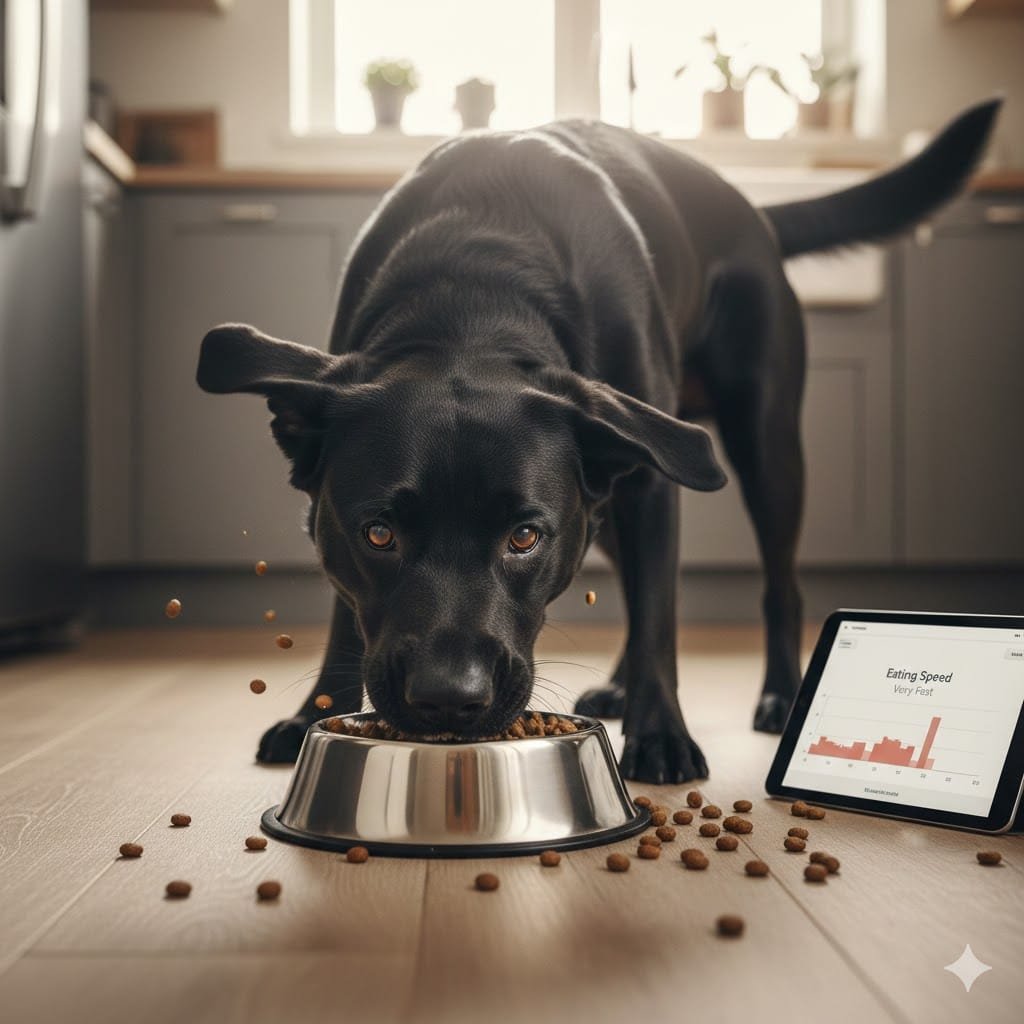
How to stop my dog from inhaling his food is a common concern for pet owners—especially when mealtimes last only a few seconds and are followed by coughing, vomiting, or “scarf and barf” episodes. Eating too fast isn’t just bad manners; it can lead to severe digestive problems, choking risks, and life-threatening conditions like Bloat (GDV).
In this 2026 guide, you’ll learn the biology behind fast eating and discover professional strategies on how to stop my dog from inhaling his food using smart technology and behavioral pacing.
1. Why Do Dogs Gulp? Understanding the Need for How to Stop My Dog From Inhaling His Food
Before you can master how to stop my dog from inhaling his food, you must understand why they do it. Common reasons include:
Resource Competition: In multi-pet homes, dogs feel they must finish first to “protect” their share.
Scarcity Mindset: Rescue dogs often retain an urgency to eat even when food is now plentiful.
Infrequent Meals: Serving one large meal a day can lead to extreme hunger and frantic gulping.
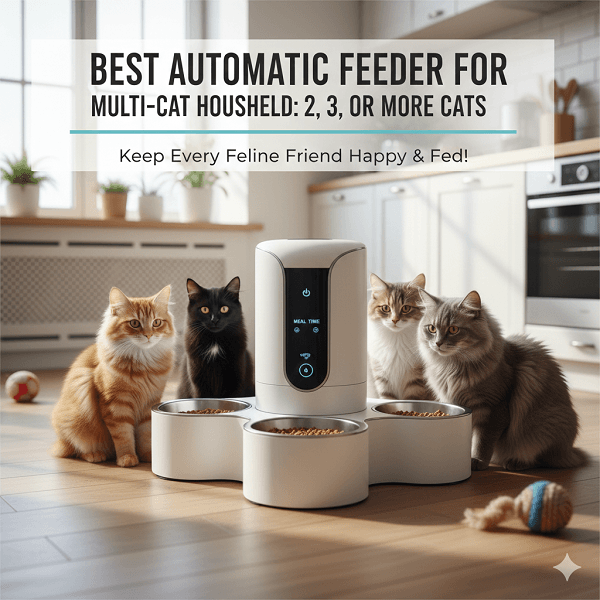
To reduce competition, many owners turn to feeders designed for multi-pet households to create a safe eating environment.
2. Identify the Symptoms: Does Your Dog Eat Too Fast?
Knowing how to stop my dog from inhaling his food starts with recognizing the warning signs. If your pet eats too quickly, you may notice:
Gagging or coughing during or immediately after meals.
Regurgitation of undigested kibble.
Excessive gas or bloating, which can lead to abdominal pain.
If weight gain accompanies these signs, review our guide on how to keep your pet at a healthy weight.
3. Why Speed Matters: The Dangers of Inhaling Food
If you don’t implement a plan on how to stop my dog from inhaling his food, your dog faces serious health risks. According to the American Kennel Club (AKC), rapid eating increases air intake, which is a major risk factor for Gastric Dilatation-Volvulus (GDV).
Slowing down the pace isn’t just a choice; it’s a preventative health measure for your pet’s digestive longevity.
4. Why Smaller Portions Alone Aren’t the Solution for How to Stop My Dog From Inhaling His Food
Many owners try to fix the issue by simply reducing the amount of food, but this often backfires. Smaller meals without pacing can:
Increase food anxiety, making the dog even more frantic.
Encourage faster gulping to “get it over with.”
Lead to constant begging. Instead, focus on how the food is delivered. Following a scientific pet feeding schedule with smaller, timed increments is far more effective.
5. How to Stop My Dog From Inhaling His Food with Smart Feeders
Technology offers the most reliable answer to how to stop my dog from inhaling his food. While slow-feeder maze bowls help, Automatic Smart Feeders provide superior pacing.
Timed Increments: Instead of dumping a whole cup of food, an Automatic Dog Feeder can dispense kibble in small bursts over 15 minutes.
Portion Control: Precise dispensing prevents the overeating that exacerbates pet obesity.
Consistency: When a dog learns that food arrives predictably through a WiFi-enabled feeder, their biological urgency naturally decreases.
6. Training Tips to Support How to Stop My Dog From Inhaling His Food
Feeding tools work best when paired with behavioral changes:
Quiet Feeding Zones: Reduce the stress of other pets watching them eat.
Mental Stimulation: Use food puzzles to slow them down.
Activity Balance: Ensure they get enough exercise—check our dog exercise guide—to keep their metabolism and stress levels stable.
Conclusion: Pacing is the Key to Digestive Health
Mastering how to stop my dog from inhaling his food comes down to structure and technology. By controlling the speed of delivery rather than just the amount, you can prevent bloating, reduce vomiting, and make mealtimes a calm, safe experience for your dog.