
How to Prevent Dog Obesity: Smart Feeding and Exercise Tips

As living standards improve, an increasing number of dogs face obesity issues. Many owners find overweight dogs adorable, yet overlook the serious health threats posed by obesity. Statistics show that over 60% of pets are overweight, with 80% of cases stemming from improper feeding practices.

Obesity is not merely an aesthetic concern—it significantly impacts a dog’s quality of life and lifespan. Research indicates obesity may shorten a dog’s life by 2-3 years or more.

01 Multiple Health Risks Posed by Obesity

Obesity significantly increases a dog’s risk of developing various health issues. Joint problems rank among the most common complications. For most breeds, the front legs bear 72% of the body weight, while the hind legs carry 28%. This is a primary reason can dogs have arthritis – the excess weight places tremendous stress on their joints.

Weight gain places substantial stress on joints, dramatically increasing the likelihood of wear and tear, dislocations, cruciate ligament ruptures, and arthritis. In severe cases, dogs may even become paralyzed.

Heart and metabolic issues are equally critical. Fat accumulates not only subcutaneously but also in the bloodstream, where excess lipids can overload the heart. Obesity places immense strain on the heart and lungs, with fat deposits compressing vital organs and causing breathing difficulties and heart disease.

Obesity also triggers pancreatitis, a particularly troublesome condition. Overweight dogs experience significant digestive system strain, especially on the pancreas. Chronic pancreatitis is difficult to manage and carries a high mortality rate. Sometimes, digestive discomfort might also explain why my dog eat grass, as they seek to alleviate stomach issues.

Endocrine disorders are also common. Particular attention should be paid to hypothyroidism, Cushing’s disease, diabetes, and sebaceous gland dysfunction. Obese cats and dogs have reduced insulin sensitivity, making them more prone to diabetes.

02 Identifying Dog Obesity

Two simple methods exist to determine if a dog is obese: visual inspection and palpation.

Visual inspection involves observing the dog’s waistline from above. A normal dog should exhibit a distinct waist curve rather than appearing rounded. From the side, the abdomen should rise upward and backward from the chest cavity; a sagging or flat abdomen may indicate excess weight.

Palpation involves feeling the ribs and pinching abdominal fat. Gently press along the dog’s rib cage; ribs should be clearly palpable without being obscured by thick fat layers. During this check, you might also notice a distinct corn-chip odor from their paws, which is a common reason owners ask why dogs smell like fritos; it’s typically caused by natural bacteria and yeast.

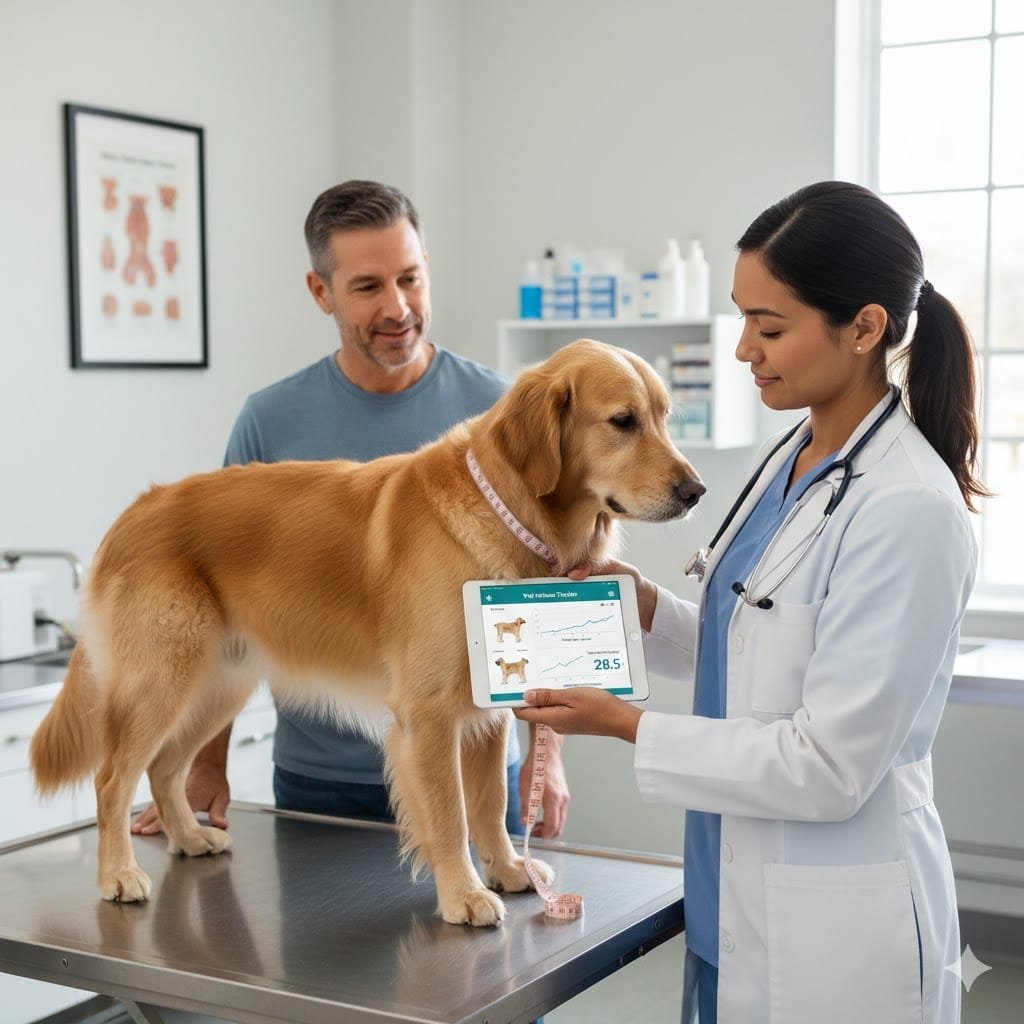
If noticeable fat can be pinched at the abdomen or waist, this indicates excess weight. Remember, these methods provide only preliminary assessments; a professional veterinary diagnosis remains the most accurate basis for judgment.

Regular health checkups for your furry friend are essential to ensure the safety and effectiveness of any weight loss plan for obese dogs.

03 Precisely Calculate Dietary Needs

Dietary control is the key measure to prevent canine obesity. Accurately calculating caloric requirements is the first step. Use one of the following two formulas:

Formula 1: (Target Weight × 30) + 70

Formula 2: 132 × Target Weight × 0.75

It is advisable to choose the more conservative value as the daily calorie intake limit and recalculate regularly. Adjust calorie requirements as weight changes.

Choosing the right dog food is also crucial. Owners seeking convenience and with sufficient financial means can opt for a low-calorie dog food.

High-quality weight-loss food should feature a low-fat, high-fiber formula to reduce fat absorption and increase satiety; high-protein content helps maintain muscle mass and prevent muscle loss.

04 Smart Feeder Applications

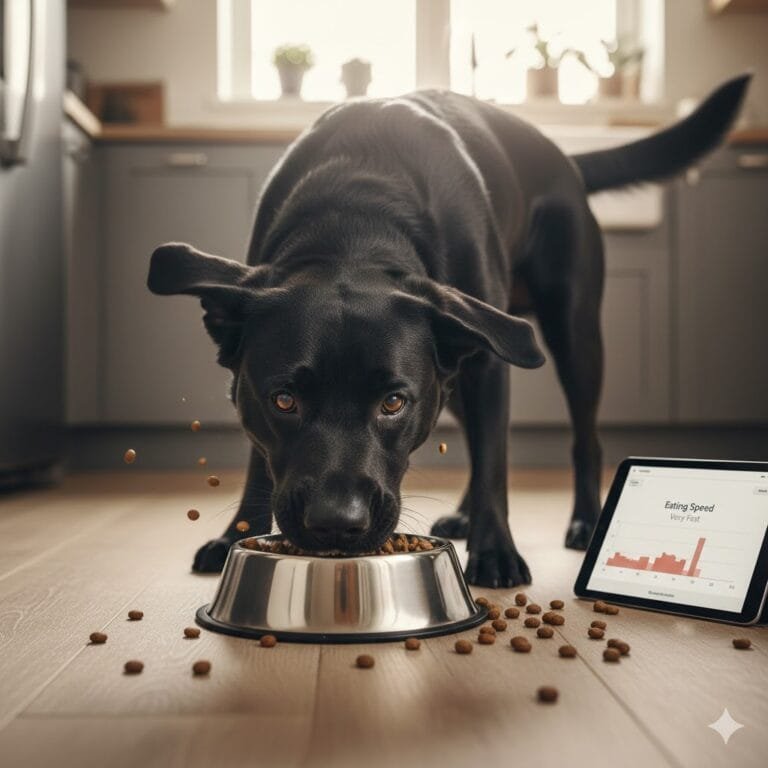
Smart feeders enable owners to manage pet nutrition more scientifically. These devices typically feature AI-powered portion calculation systems that dynamically generate personalized feeding plans based on breed, age, weight, activity level, and other parameters.

Health monitoring is another key advantage. High-precision pressure sensors at the base track feeding frequency, portion size, and duration in real time.

An app then generates a “Dietary Health Report.” When data shows abnormal fluctuations (e.g., a 20% decrease in food intake over three consecutive days), the system sends alert notifications.

Remote monitoring and interactive features allow owners to track their pet’s eating habits even when away from home. Using high-definition cameras, you can check on your pet anytime, anywhere.

Voice interaction further enriches engagement. Notably, the “multi-user feeding permissions” feature enables family members to share feeding schedules, preventing duplicate meals.

05 Design Principles for Exercise Plans

Developing a well-structured exercise regimen is another crucial measure against canine obesity. Gradual progression is paramount. Dogs unaccustomed to activity may suffer discomfort or injury from sudden high-intensity workouts. This is especially important for dogs with joint conditions, as it helps manage pain and answers the question of can dogs have arthritis with a focus on management through controlled activity.

Start with simple walks, adding a few minutes each day to gradually increase distance and pace. Tailoring activities to the dog is also vital. Choose suitable exercise based on age, size, and health condition.

Senior dogs benefit most from gentle walks, while young, energetic dogs can handle more intense activities. Recommended daily exercise times vary by size:

Small dogs: At least 20 minutes of moderate activity

Medium dogs: At least 1 hour of regular activity

Large dogs: At least 2 hours of ample exercise

06 Diversify Exercise Routines

Different activities target distinct muscle groups, enhancing overall health benefits. Walking is the most fundamental aerobic exercise, suitable for dogs of all sizes.

Walk your dog at least twice daily for 20-30 minutes each session. Walking not only helps burn calories but also exposes dogs to the outside world, enriching their sensory experiences. During these walks, you might observe them grazing, which is a common behavior that leads owners to wonder why my dog eat grass; it can be a normal digestive aid or a sign of dietary deficiency.

Swimming is an excellent exercise option, as water’s buoyancy reduces physical strain on dogs and minimizes injury risk. This low-impact activity is gentle on joints.

Interactive games like fetch or tug-of-war increase exercise intensity. These activities not only provide physical exercise but also strengthen the emotional bond between owner and pet.

Hiking is an advanced activity suited for dogs with good physical fitness. Agility training combines mental and physical challenges for comprehensive exercise.

07 Daily Management Tips

Feeding at consistent times and portions is fundamental to weight management. Divide the daily food allowance into 2–3 meals to aid digestion, absorption, and blood sugar stability.

Establish consistent feeding times to create a routine; use measuring cups for precise portion control; avoid snacks between meals; remove food bowls after feeding to prevent free-feeding.

Family cooperation is crucial for a successful dog weight loss plan. Non-compliance from any household member can undermine results. Standardize feeding practices to prevent duplicate meals; prohibit private snacking or sharing human food.

Rotate responsibilities for exercise sessions to ensure consistency; track weight changes and monitor progress together. Establishing new habits typically takes 2–3 weeks.

During this period, your dog needs your support and encouragement most. Weekly weight measurements and recording dietary and exercise routines will help you monitor your furry friend’s health.

08 Frequently Asked Questions

Q: How can I tell if my dog is overweight?

A: Visual and tactile methods can help. When viewed from above, your dog’s waist should show a distinct curve rather than appearing rounded. Gently press your fingers along the ribs—you should clearly feel the ribs without thick fat covering them.

From the side, a healthy dog’s belly should lift upward and backward from the chest. If the belly hangs low or appears flat, your dog may be overweight.

Q: Why does my dog gain weight easily?

A: Several factors contribute to canine obesity. Overfeeding and excessive treats are the primary culprits, with free-feeding easily leading to calorie overconsumption. Insufficient exercise is another major cause, as urban living often limits dogs’ opportunities for adequate activity.

Post-neutering, a dog’s caloric needs decrease while appetite may remain unchanged. Breed predisposition also plays a role—certain breeds like Dachshunds and Beagles are genetically prone to weight gain. Aging also reduces activity levels and lowers basal metabolic rate.

Q: What should I pay attention to during weight loss?

A: Weight loss requires gradual progression. Before starting training, it’s best to check your dog’s health status. If your dog has any medical issues, consult your veterinarian first.

When exercising your dog, closely monitor its reactions. If panting, excessive fatigue, or unsteady gait occurs, reduce exercise intensity or stop immediately. Weight loss requires patience, typically taking 2-3 weeks to establish new habits.

A middle-aged person who regularly took their dog for walks in the park noticed their Golden Retriever not only returned to a healthy weight but also became more lively and cheerful. Their evening strolls through the neighborhood became the highlight of their day.

Preventing canine obesity isn’t just about portion control and exercise—it’s a responsibility and an expression of love. When we resist the urge to give extra treats and carve out time from our busy schedules for walks, we are investing in their longer, healthier lives.

As one veterinarian stated: “Obesity isn’t ‘plumpness’—it’s a silent killer!” Starting today, adjust their diet, increase exercise, and schedule regular check-ups to press the “health reset button” for your beloved pet.

Leave a Reply

Your email address will not be published. Required fields are marked *