

How to Feed Your Dog: 5 Scientific Tips for Healthy and Balanced Meals
A golden retriever in a neighboring community recently made headlines for needing emergency surgery due to severe obesity caused by years of overeating. Such tragic cases are becoming all too common. Statistics show that over 60% of household pets are overweight, with an incredible 80% of these cases attributed directly to improper feeding habits.
Learning how to feed your dog correctly is the most important skill a pet owner can possess. A balanced diet doesn’t just keep them in shape; it prevents chronic diseases and extends their lifespan. If you are wondering how to feed a dog to ensure they thrive, this guide provides the essential framework for modern pet nutrition.
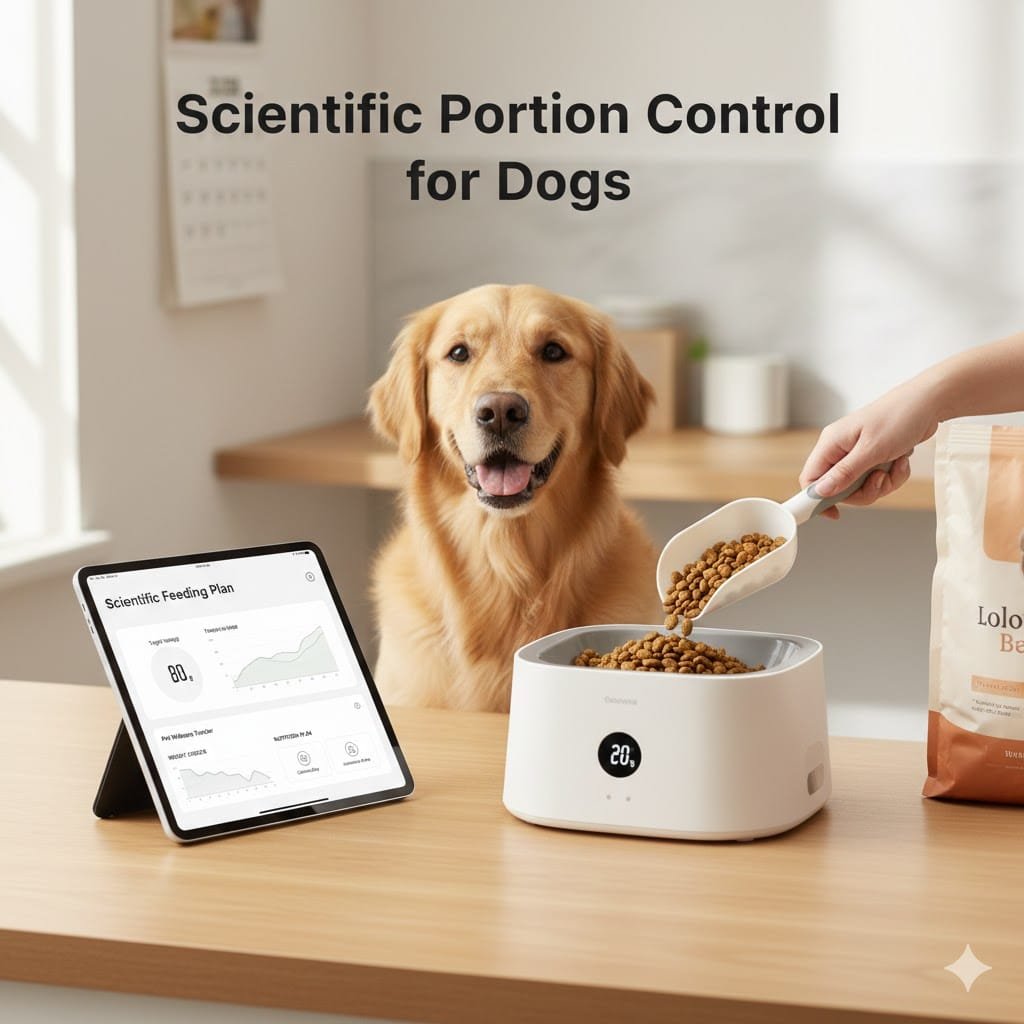
1. Calculate the Perfect Portion: Weight and Metabolism
The first step in understanding how to feed your dog is determining the exact calorie count. Weight is your primary indicator, but it isn’t the only one.
Metabolic Rates: Large, medium, and small breeds burn energy at vastly different rates.
Activity Levels: An active herding dog may require 20% more calories than a sedentary dog of the same weight.
The Rib Test: You should be able to feel your dog’s ribs under a thin layer of fat. If you can’t feel them, it’s time to reduce their intake.
For precise calculations, refer to the WSAVA Body Condition Score chart to see where your pet stands.
2. Age-Appropriate Frequency: How Many Meals?
When considering how to feed dogs, frequency is determined by their developmental stage.
Puppies (2-6 months): They have tiny stomachs but massive energy needs. Aim for 4-5 small meals per day.
Adults (1-7 years): Most owners find success with 2 meals per day—once in the morning and once in the evening.
Seniors (7+ years): Older dogs benefit from 2-3 smaller, easily digestible meals to manage slowing metabolisms and dental issues.
Consistent timing isn’t just a convenience; it triggers the secretion of digestive fluids, improving nutrient absorption.
3. Utilize Smart Feeders for Precise Scheduling
For the modern, busy pet owner, technology provides the best answer to the question of how do you feed your dog while at work. Smart feeders have revolutionized pet care by removing human error from the equation.
Our Smart Pet Feeder allows you to:
Set Up to 10 Meals: Program specific times via a smartphone app.
Anti-Pilferage Design: Ensure your dog can’t break into the kibble tank between meals.
Health Tracking: Our built-in AI systems record every gram consumed, generating weekly health reports so you can monitor changes in appetite.
4. Master Snack Management: The 10% Rule
Treats are vital for training, but they shouldn’t undermine how to feed your dog a healthy diet. Experts recommend that snacks never exceed 10% of total daily calories.
Foods You Must NEVER Feed a Dog:
While learning how to feed a dog, you must memorize the “toxic list”:
Chocolate & Xylitol: Highly toxic even in small amounts.
Grapes & Raisins: Can cause sudden kidney failure.
Onions & Garlic: Damage red blood cells.
Cooked Poultry Bones: These can splinter and tear the intestinal tract.
5. Transitioning and Feeding Etiquette
Proper pet nutrition also involves the “how” and “where” of mealtime.
The 7-Day Switch: Never change dog food abruptly. Mix the old and new food over a week to avoid diarrhea.
Fixed Utensils: Every dog should have its own dedicated bowl to prevent the spread of bacteria.
Post-Meal Rest: Avoid vigorous exercise for 30 minutes after eating to prevent dangerous conditions like bloat.
Conclusion: Science in the Bowl
When you take your dog for their annual check-up, a veterinarian should be able to see the results of your hard work in their sparkling eyes and shiny coat. Success in how to feed your dog stems from consistency, portion control, and using the right tools.
Ready to automate your dog’s health? Explore our range of Smart Dog Feeders and ensure your pet never misses a balanced meal again!