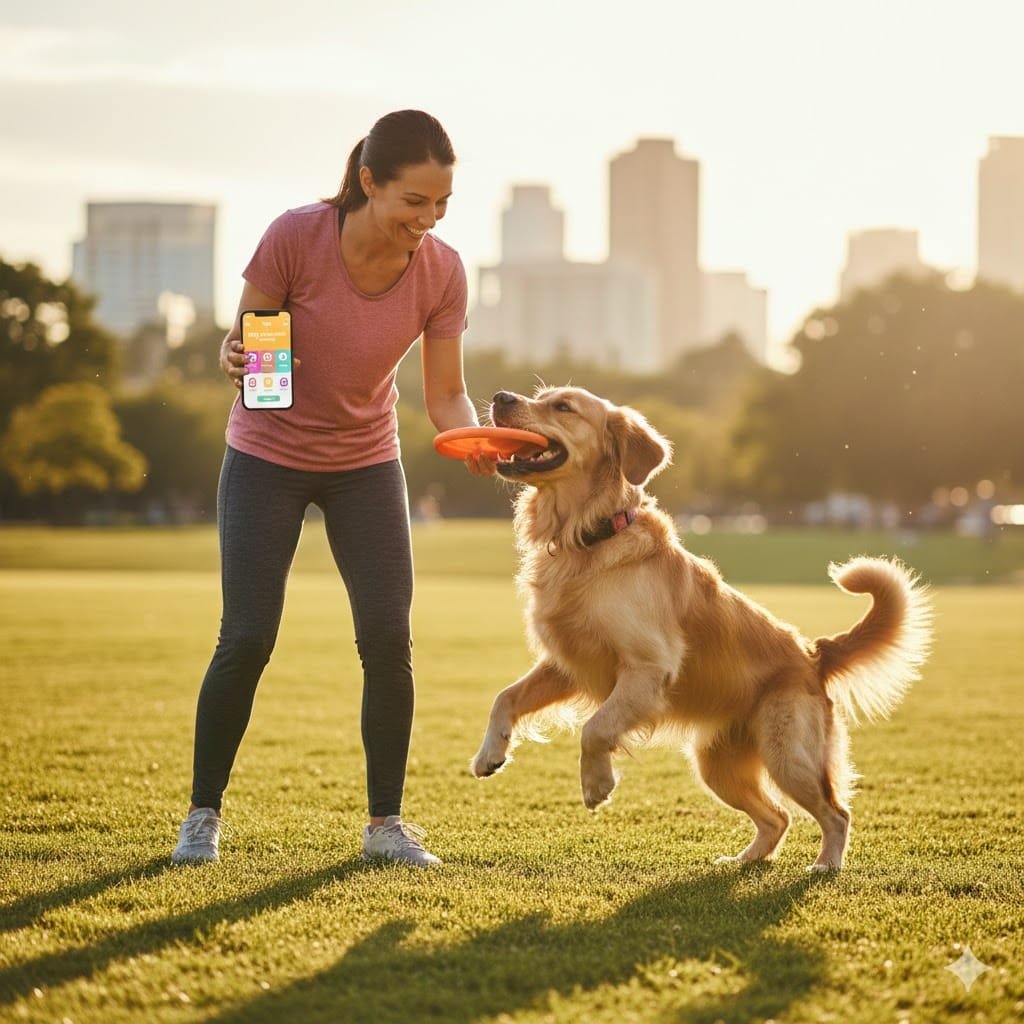

As the pace of life accelerates, more and more people are choosing to keep dogs as companion pets. However, many owners overlook an important issue: the exercise needs of dogs.
Statistics show that over 30% of household dogs suffer from insufficient exercise, leading to obesity, behavioral problems, and even diseases. In fact, proper exercise is very important for maintaining a dog’s health. This is exactly why pets exercise – to maintain both physical and mental well-being.
01 The Multiple Benefits of Exercise for Dogs
Exercise is not just a way for dogs to expend energy, but also an important means of maintaining physical and mental health. Dogs that exercise regularly will have a stronger cardiovascular system, better muscle tone, and healthier joints.
Exercise can also promote a robust metabolism, stimulating a dog’s appetite and increasing their food intake. This means they can obtain more nutrients from food, keeping them in good physical condition.
In addition to physical benefits, exercise helps dogs release pent-up energy and stress. Well-exercised dogs are less likely to exhibit destructive behavior, excessive barking, or other behavioral issues.
Exercise is also a valuable time to strengthen the emotional bond between owners and pets. By exercising and playing with their dogs, owners can deepen their understanding of their pet’s personality and needs, building a stronger foundation of trust.
02 Exercise Needs of Different Dog Breeds
Dogs of different breeds have varying exercise needs. Small breeds like Chihuahuas, Pekingese, squirrel dogs, and Shih Tzus, due to their small size, can easily be affected by heart issues if forced to walk long distances every day due to overexertion.
In contrast, small breeds known for their lively personalities, such as Terriers and Miniature Schnauzers, require more exercise than other small breeds and should have their activity levels increased accordingly.
Working and hunting breeds like Golden Retrievers, Labrador Retrievers, Cocker Spaniels, Springer Spaniels, German Shepherds, and Border Collies are particularly energetic and need at least one to two hours of vigorous exercise daily.
Brachycephalic breeds such as the Pekinese, Bulldog, Shih Tzu, Pug, and French Bulldog require special attention. Their short and small noses make it difficult for them to dissipate heat, so their exercise should be limited during hot weather to prevent overheating.
03 Age Factors and Their Impact on Exercise
A dog’s exercise needs change as they age. Puppies are more energetic than adults, but their exercise should not be overly strenuous. It is best to schedule the exercise of a Newfoundland puppy in two 15 to 20-minute intervals per day.
During adolescence, dogs can handle more exercise than when they were puppies. You will find that adolescent Newfoundland dogs are very active and eager to exercise, whether it’s swimming with you or taking daily walks.
Adult dogs are not as energetic as puppies or adolescents, but they still need exercise. This will help maintain their healthy weight and physical stimulation.
As dogs enter their senior years, the energy and liveliness they once had will gradually fade. Daily light exercise of about 20 to 30 minutes, such as short walks or interactive games, is very beneficial for senior dogs.
04 Safety Precautions During Exercise
Avoiding dehydration and overheating are the top priorities for exercise safety. Just like humans, dogs lose a lot of water during exercise and need to be replenished promptly. Especially during intense exercise in the summer, it is crucial to prevent heat exhaustion and shock.
Timing of exercise is also crucial. Dogs should not engage in vigorous exercise on an empty stomach or immediately after eating, as this may lead to gastrointestinal injury. Exercise should be conducted in the morning or evening. In the morning, the air is fresh and cool, and in the evening, the environment is quiet with no distractions.
Protective measures must not be overlooked. On city streets, dogs must be kept on a leash at all times. Never allow the leash to slacken and let them wander freely to prevent them from being injured by cars or disturbing pedestrians.
During exercise, prevent dogs from sniffing at excrement left by other dogs or other objects, and more importantly, prevent them from coming into contact with these to avoid contracting certain diseases. Do not feed them immediately after exercise. They should rest quietly for at least 30 minutes to prevent vomiting.
05 Various forms of indoor and outdoor exercise
Outdoor activities come in various forms. For working dogs such as hounds or police dogs, swimming exercises in the summer are excellent full-body workouts, promoting balanced physical development. Rapid movements in open spaces and jumping over obstacles help develop shoulder structure and enhance chest development.
Walking and running are the most basic forms of exercise. Fast-paced hounds should run about 16 kilometers daily, while small breeds are best suited to 3 to 4 kilometers of exercise per day.
Indoor activities are equally important. In a safe environment, dogs can be given rubber toys made of plastic to play freely or be encouraged to move around. Interactive toys provide excellent mental stimulation.
Strength training can be diversified. Jumping exercises can strengthen hind leg muscles; weight-bearing resistance exercises (such as pulling or weighted running) can work on any muscle group in the body; and exercises that overcome elastic resistance (using objects like springs or bands) also target most muscle groups in the body.
06 Identifying Signals of Excessive or Insufficient Exercise
Signs of excessive exercise include: sitting down during a walk, staggering while walking, slight trembling in the hind legs, and abnormal breathing. If your dog is breathing rapidly and heavily after a walk and cannot calm down for several minutes, or even if its tongue turns blue or purple, this may indicate an overload on the respiratory system.
Signs of insufficient exercise are also quite evident. The number of mischievous dogs at home may increase, and they might run around uncontrollably, destroying furniture, etc. Additionally, unnecessary barking may also increase, as these are activities they engage in to release their physical energy and instinctual desires. This is why pets workout – to channel their energy positively and avoid such issues.
Regularly assessing your dog’s weight and physical condition is important. Newfoundlands are prone to being overweight, so in addition to needing a healthy and balanced diet, establishing good exercise habits is also necessary.
It’s important to flexibly adjust the exercise amount. The owner needs to continuously adjust the exercise plan based on factors such as the dog’s age, physical condition, and season. In the hot summer, it’s advisable to take the dog for a walk during cooler early morning or evening hours and appropriately shorten the walking time.
Every evening, you can often see many people walking their dogs in the community park. A young man takes his Border Collie to an open area for frisbee training every week. Each time the dog completes an action, it excitedly runs back to the owner, its eyes sparkling with joy.
Exercise is not only a health need for dogs but also an emotional dialogue between them and their owners. When you pick up the leash, those expectant eyes tell you: it’s ready, willing to run with you, stroll with you, and explore the world.
As a veterinarian once said, “Life lies in movement. If a dog gets older, the exercise amount can be appropriately reduced, but it should not be completely abandoned. At the very least, walking the dog is necessary.”
If you’re wondering how to exercise your dog effectively, remember that consistency and variety are key. Whether it’s through structured activities or casual play, knowing how to exercise with dog not only keeps them fit but also strengthens your bond. So next time you think about how to exercise dog, consider both their needs and preferences to make it enjoyable for both of you.